Free written scope consultation - allowances, timeline, and change-order rules on paper before a single trade is scheduled
CGI Home Additions & ADU: The West Covina Owner’s Guide
We stock and install CGI-compatible home addition and ADU components across West Covina, with most parts matched and installed within a one-week window once we verify your model and measurements. For a full home addition in West Covina, installed pricing typically lands between $45,000 and $130,000, while ADU construction runs $90,000 to $220,000 depending on size, foundation work, and finishes. Most owners discover a failing component the hard way: a hairline crack spreading from a corner joint, a floor squeak that gets louder every month, or a roofline that no longer drains the way it did the first year.
Here’s the thing about home additions and ADUs built with CGI framing components: the failure rarely announces itself. It starts as a door that sticks, a baseboard pulling away, or a drywall seam that cracks again after every patch. By the time you’re sure something is wrong, the part causing it has usually been working against the structure for a year or more.
Which CGI Models This Applies To
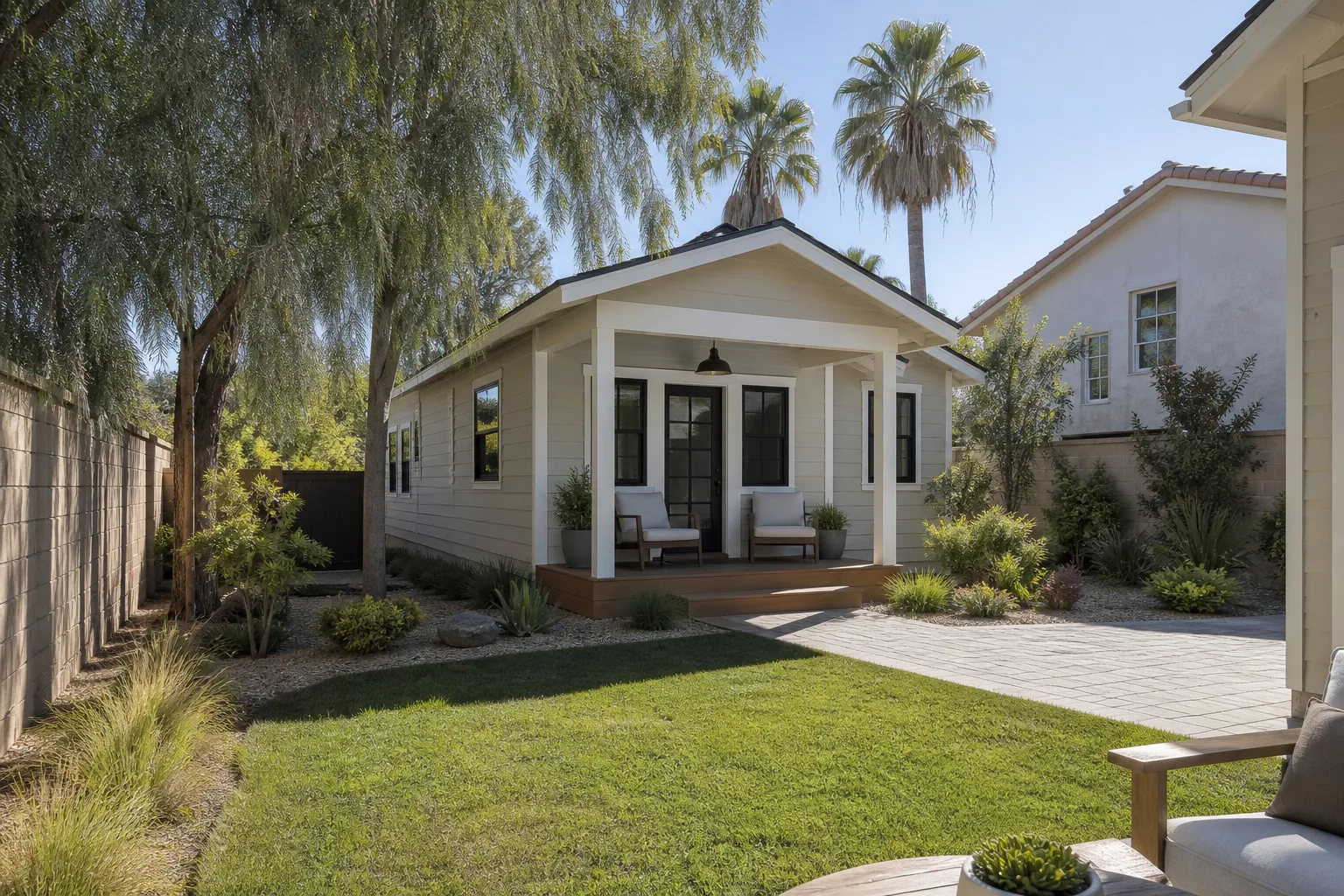
CGI home addition components cover a few distinct categories: engineered floor joists, structural wall panels, roof trusses, and connector hardware that ties the new build into the existing West Covina home. The model number matters more than the category. Look for a stamped label on the web of engineered lumber (the vertical section between top and bottom chords) or on the edge of a panel. That stamp gives the series, the stress rating, and the plant code.
One compatibility gotcha we run into constantly in West Covina: older CGI wall panels used a 16-inch on-center stud spacing, but some 2008-2012 production runs switched to 19.2-inch spacing for energy compliance. You cannot mix those in a load-bearing wall without an engineer’s sign-off. The structural math changes and so does the shear rating. If you have an addition built between those years, measure the spacing before you order anything.
OEM versus aftermarket: for connectors and fasteners, a heavy-gauge aftermarket equivalent from a mill-certified manufacturer does the job and usually costs 20-30% less. For engineered joists and trusses, we recommend OEM or a supplier with matching span tables. That’s not brand loyalty; it’s because the span tables are proprietary and a mismatched joist changes your floor deflection, which you’ll feel as bounce every single day.
Sawyer Remodel West Covina is an independent contractor, not affiliated with CGI. We buy from their authorized distribution network so warranties stay intact, but everything else on the job is ours: the labor, the permit, the inspection, the follow-up.
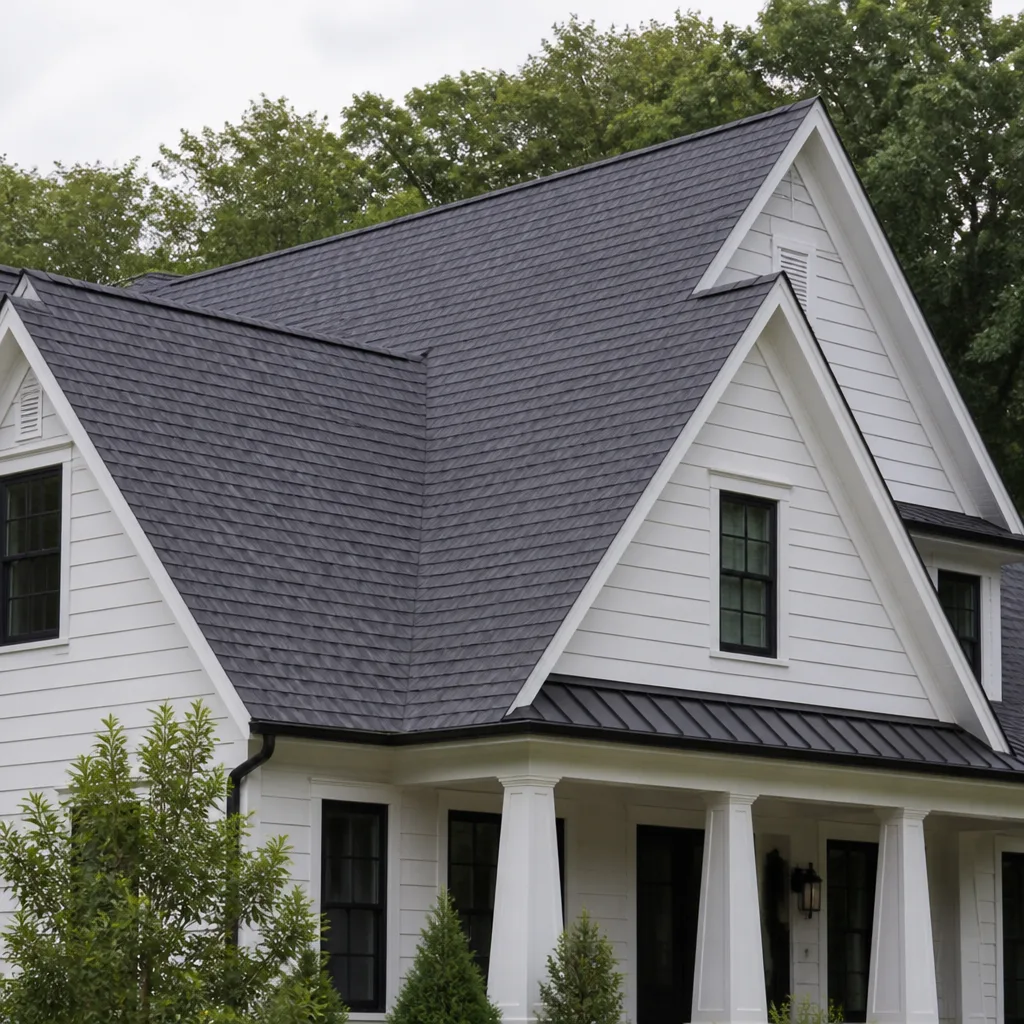
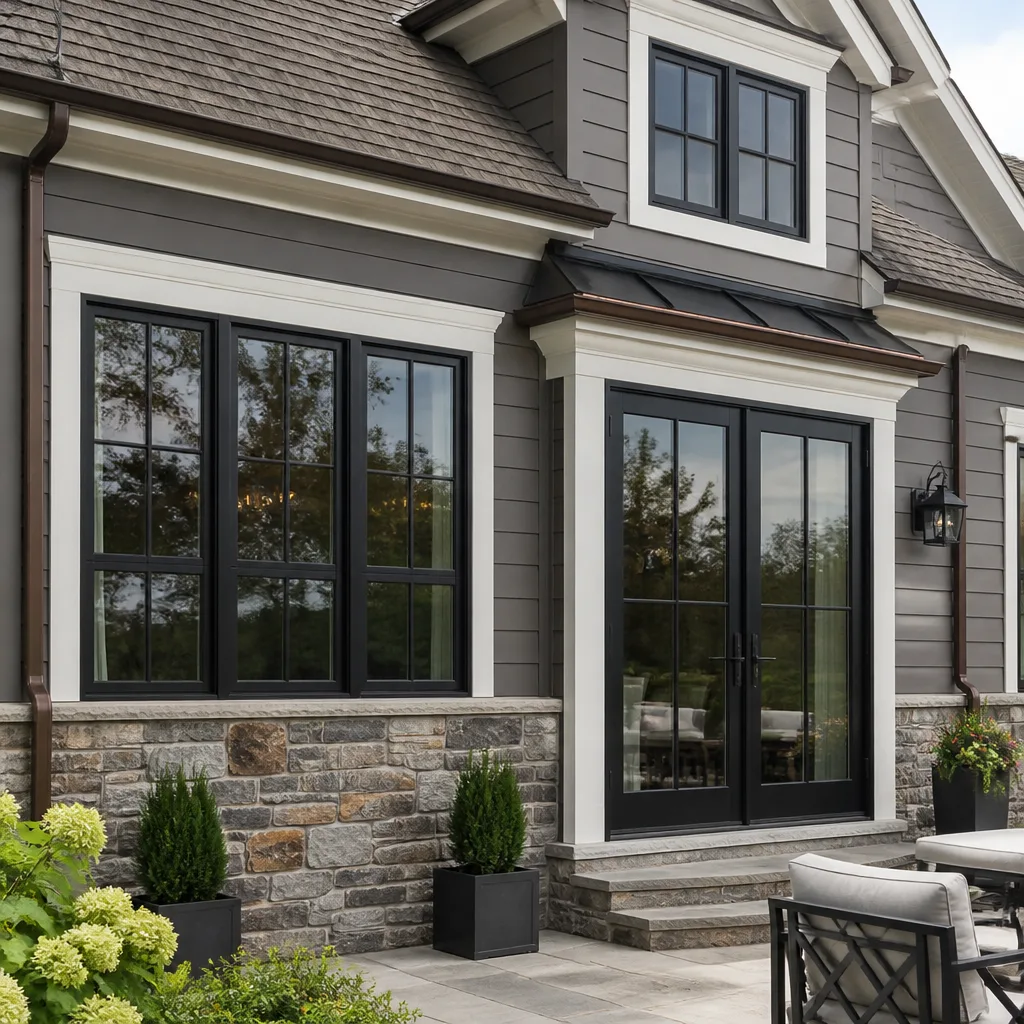
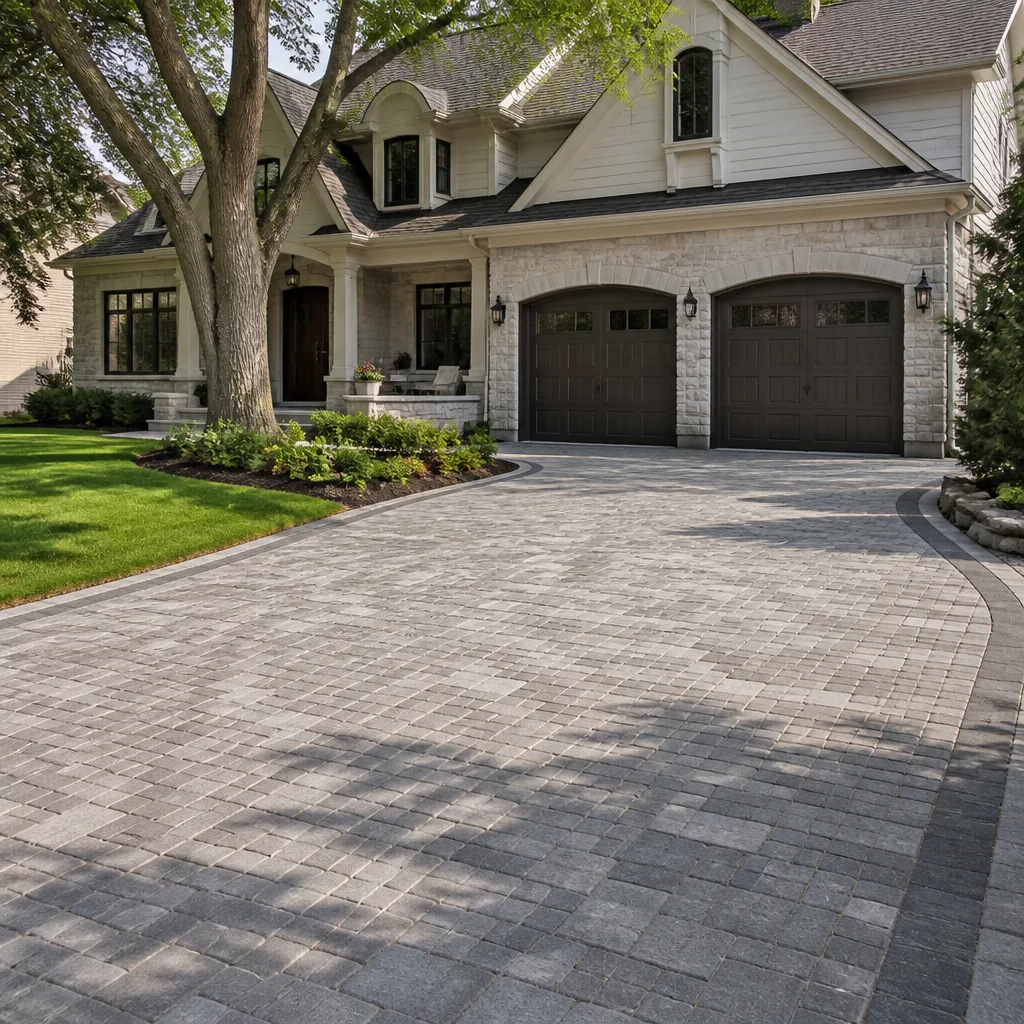
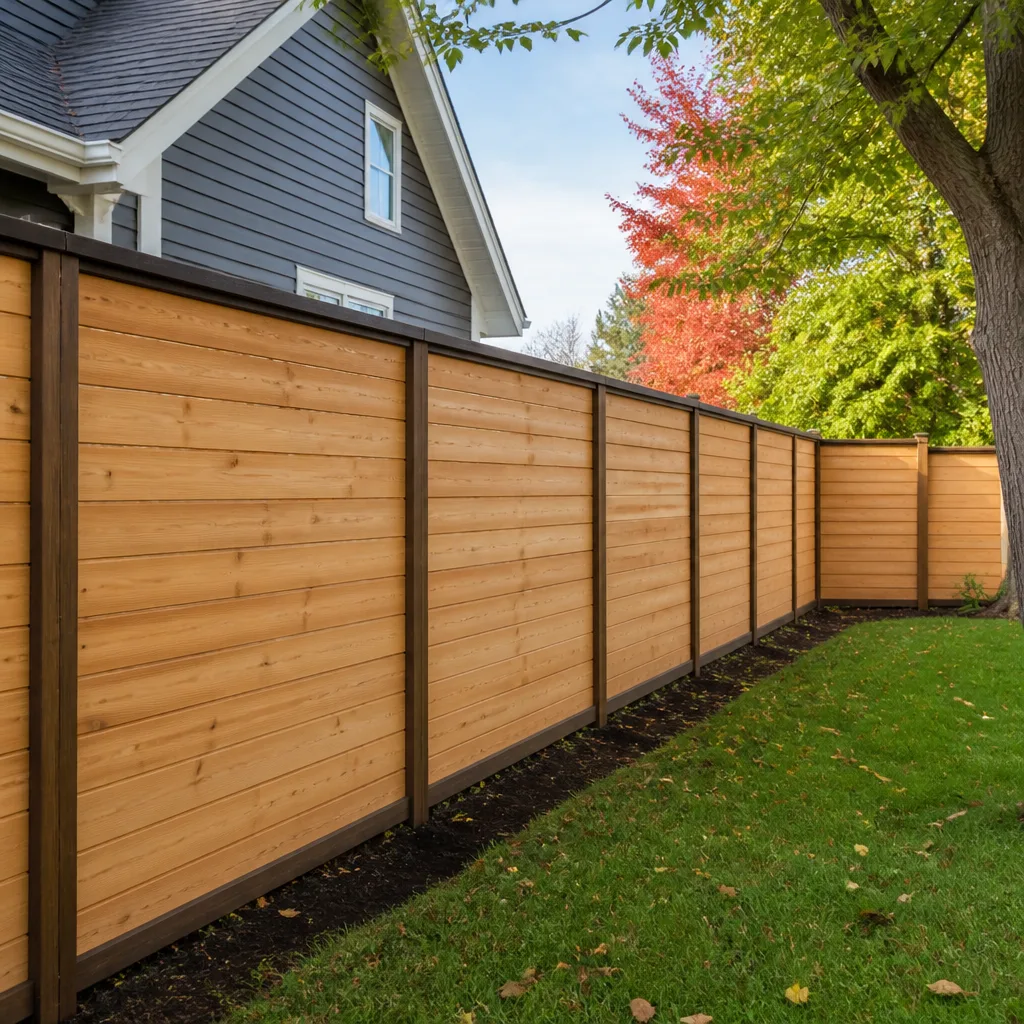
Styles & brands we work with
Signs Your CGI Home Additions & ADU Is Failing
- Cracks that reopen within months: A drywall crack over a door or window in the new addition, patched and repainted multiple times, usually means the header or the shear panel behind it is moving. The patch hides the symptom; the structural member keeps flexing. In West Covina’s dry-summer, wet-winter cycle, that flex gets worse every year.
- Floors that bounce or sag: An engineered joist that’s delaminating or a rim board that’s separating from the sill plate shows up as a soft spot in the floor, often near the exterior wall of the addition. Put a marble on the floor and watch where it rolls. That’s not a party trick; it’s a deflection test you can do in ten seconds.
- A door that won’t stay square: Exterior and interior doors in the addition start rubbing at the top corner in summer, then swing loose in winter. That tells us the wall framing is moving with temperature and humidity changes more than it should, which points back to a failed or undersized connection between the new build and the original structure.
- Roofline drainage problems: Water pooling against a fascia board or dripping behind a gutter on the addition side usually traces back to a truss that’s lost its camber or a heel connection that’s pulled loose. Water is patient and it will find the gap. In West Covina, where we get hard winter rain after months of bone-dry heat, that gap opens and closes like a breathing crack.
- Fastener backing out of steel connectors: If you spot a screw or nail that’s walked halfway out of a metal bracket on a joist hanger or a post base, that’s not cosmetic. The hardware was under stress it wasn’t rated for, or the wood shrank more than the connector could absorb. Once one fails, the load shifts to its neighbors and the chain reaction starts.
See the difference
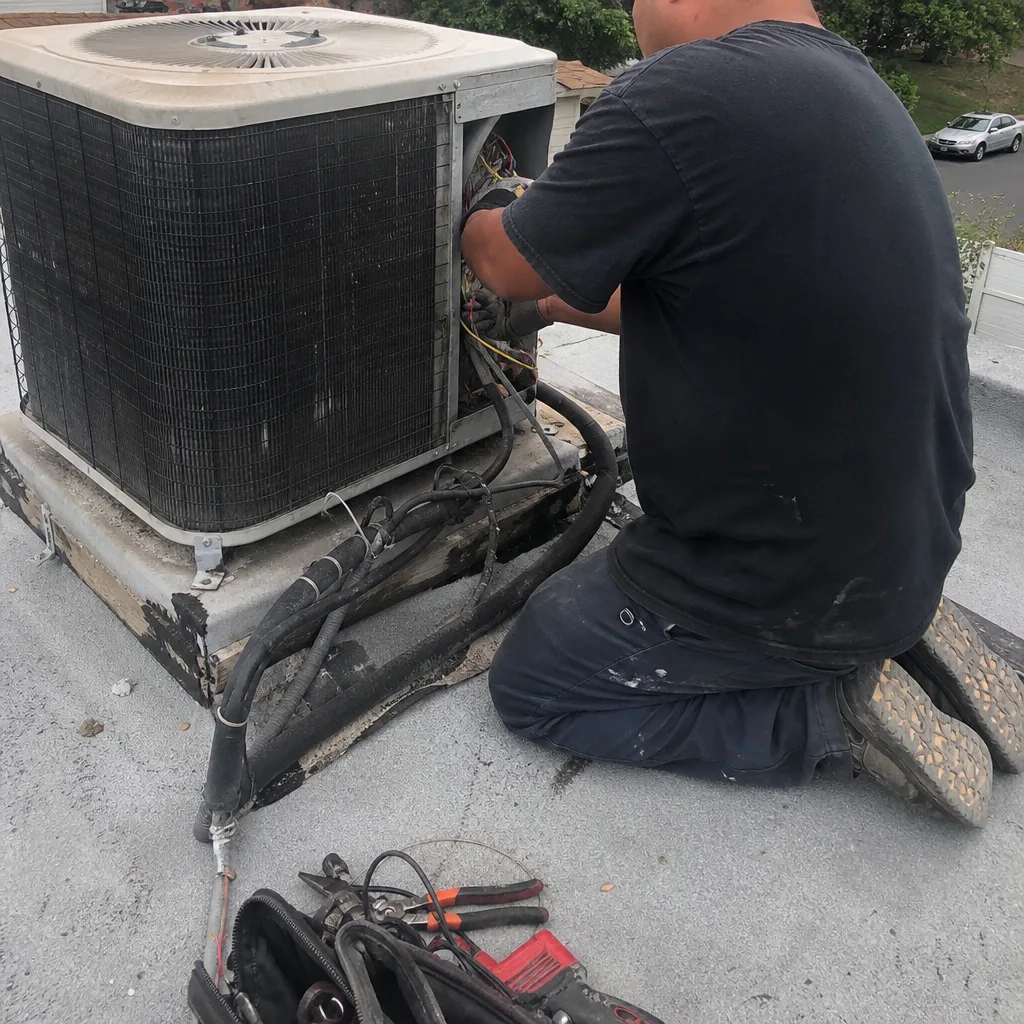 Before
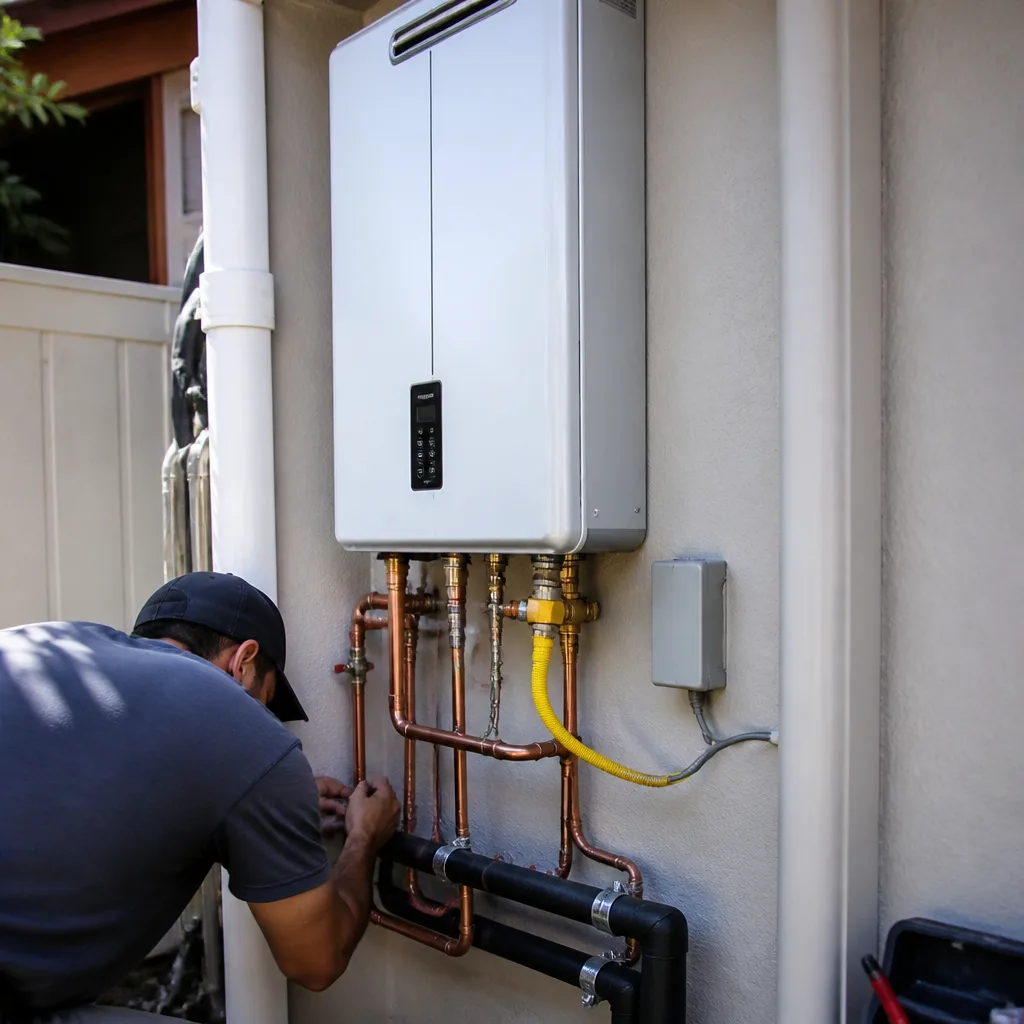 After
After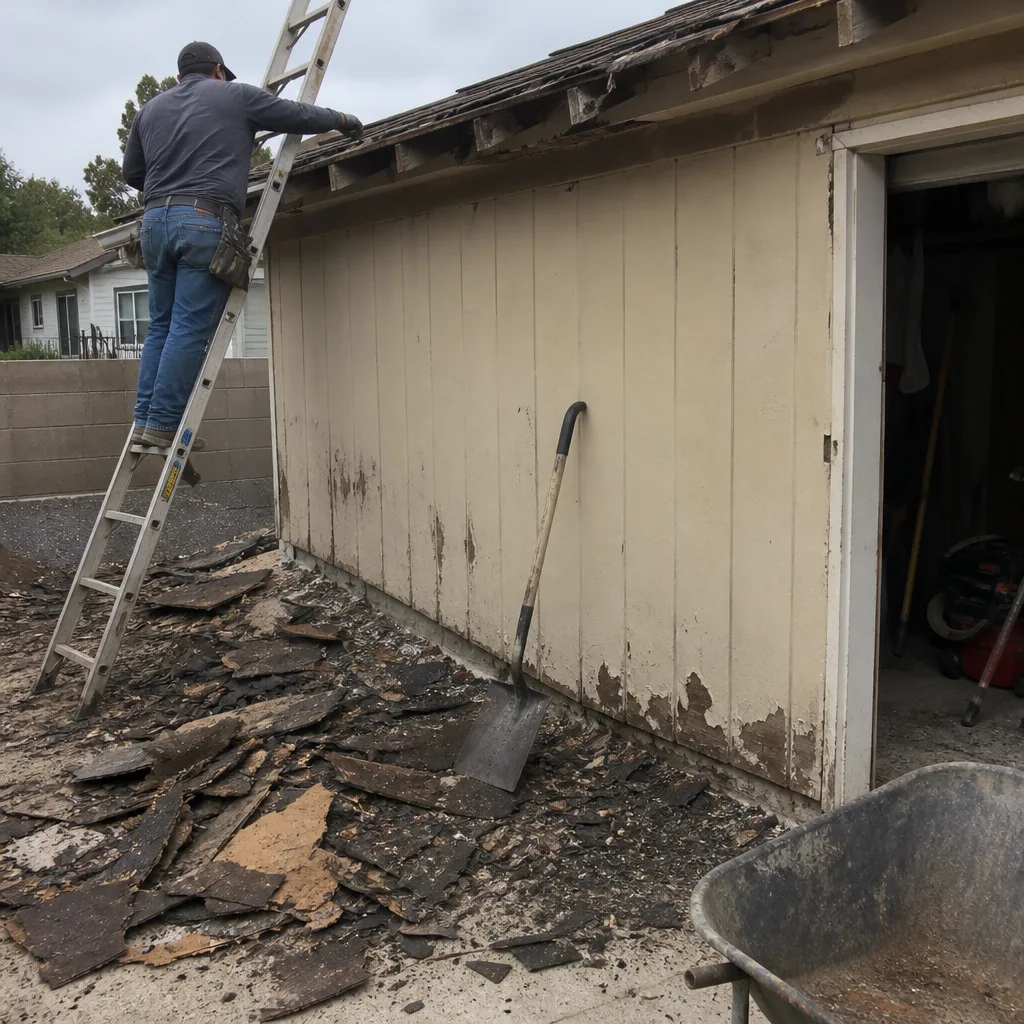 Before
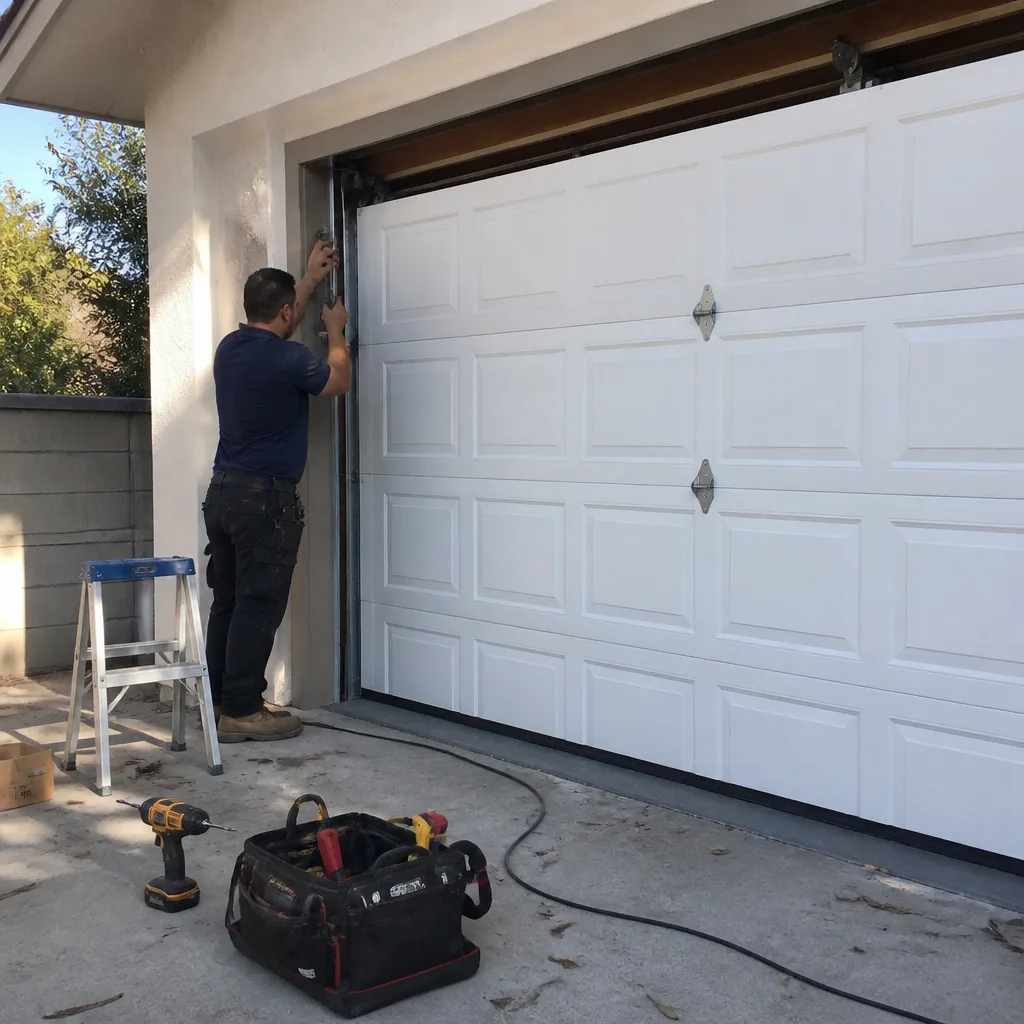 After
After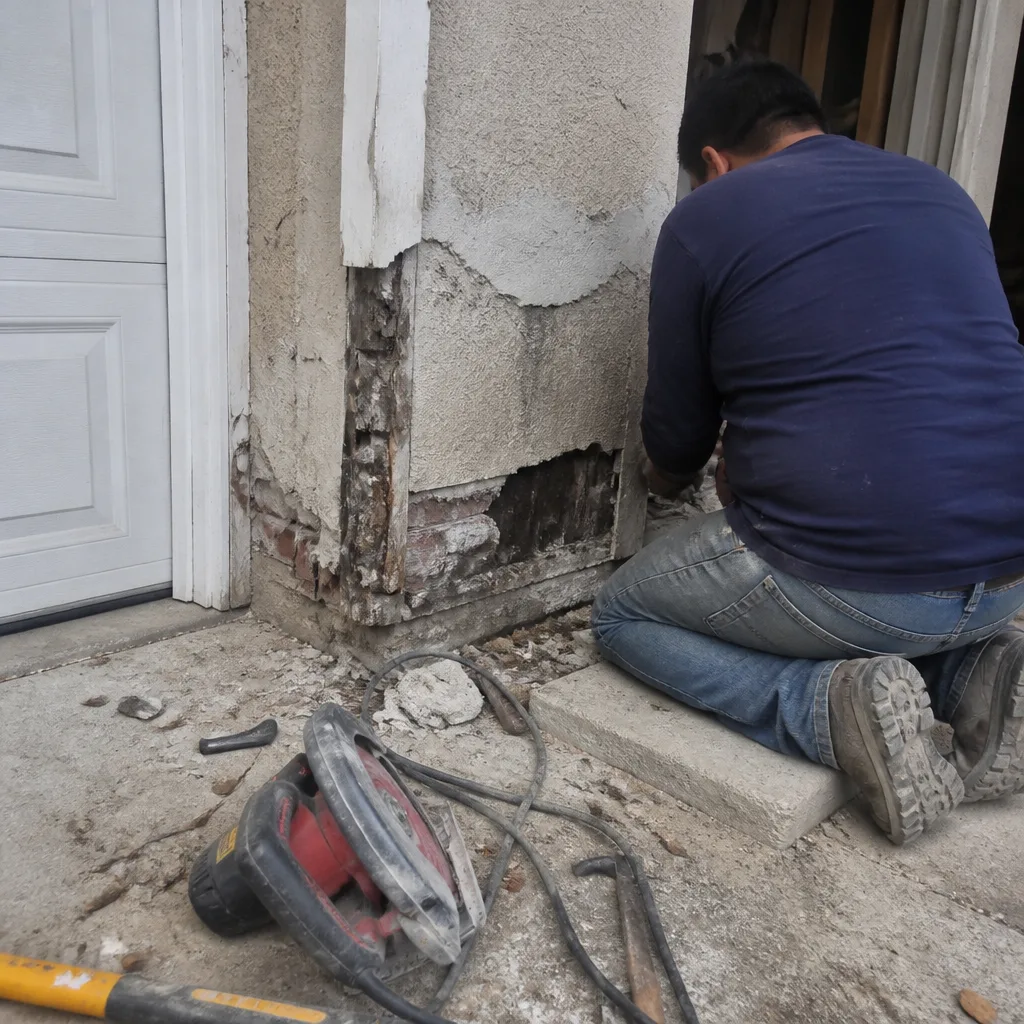 Before
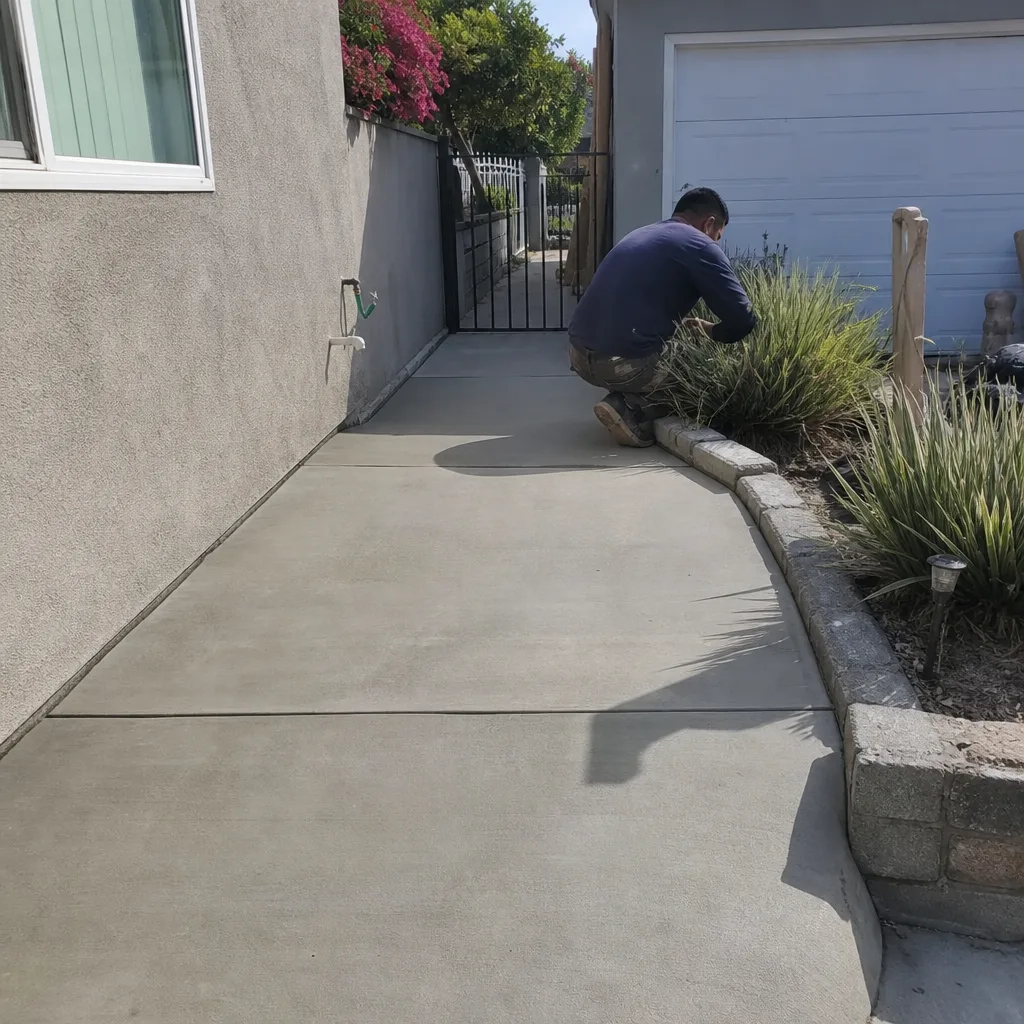 After
AfterReplacement Cost & What’s Included
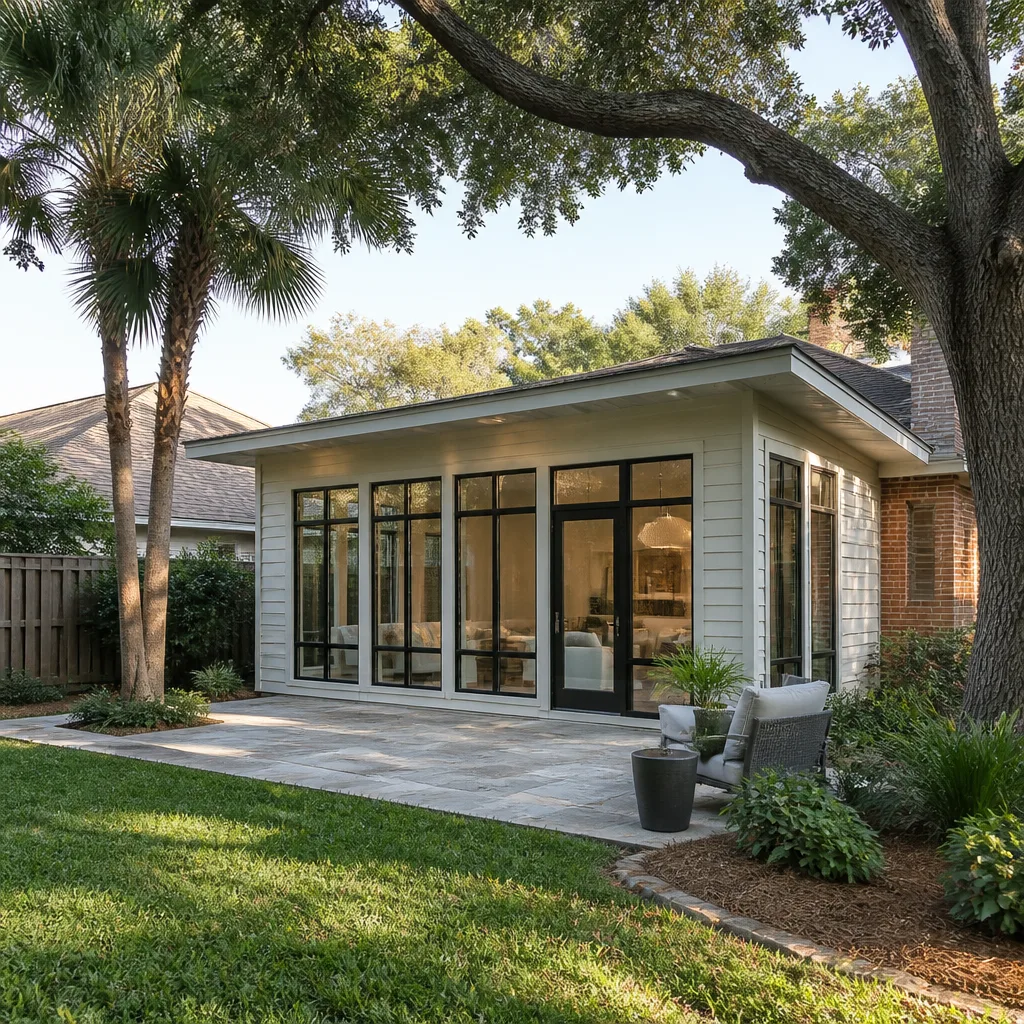
In West Covina, the numbers work like this. A full home addition with CGI framing and standard finishes runs $45,000 to $130,000. An ADU is bigger by nature: separate utility tie-ins, a full kitchen and bath, its own permit package and sometimes its own foundation. That’s $90,000 to $220,000. A garage conversion using the existing shell comes in at $30,000 to $80,000.
What drives the range: square footage is the obvious one, but foundation conditions matter more than people expect in this city. West Covina sits on a mix of alluvial soil and decomposed granite, and some hillside lots near South Hills need pier work that adds $8,000 to $15,000 before you ever frame a wall. Utility trenching distance, panel capacity for a new subpanel, and whether the existing roofline needs modification all move the number.
A Sawyer quote includes parts, labor, permit fees, material delivery, and the wiring and plumbing rough-in to get the addition usable. It does not include landscaping repair after trenching, which we price separately and tell you about before we dig. Every quote is written, line by line, before any work starts. The price on the invoice is the price you approved. If we find something unexpected inside the wall, we stop, show you photos, and get written approval before spending another dollar.
DIY or Call Us?
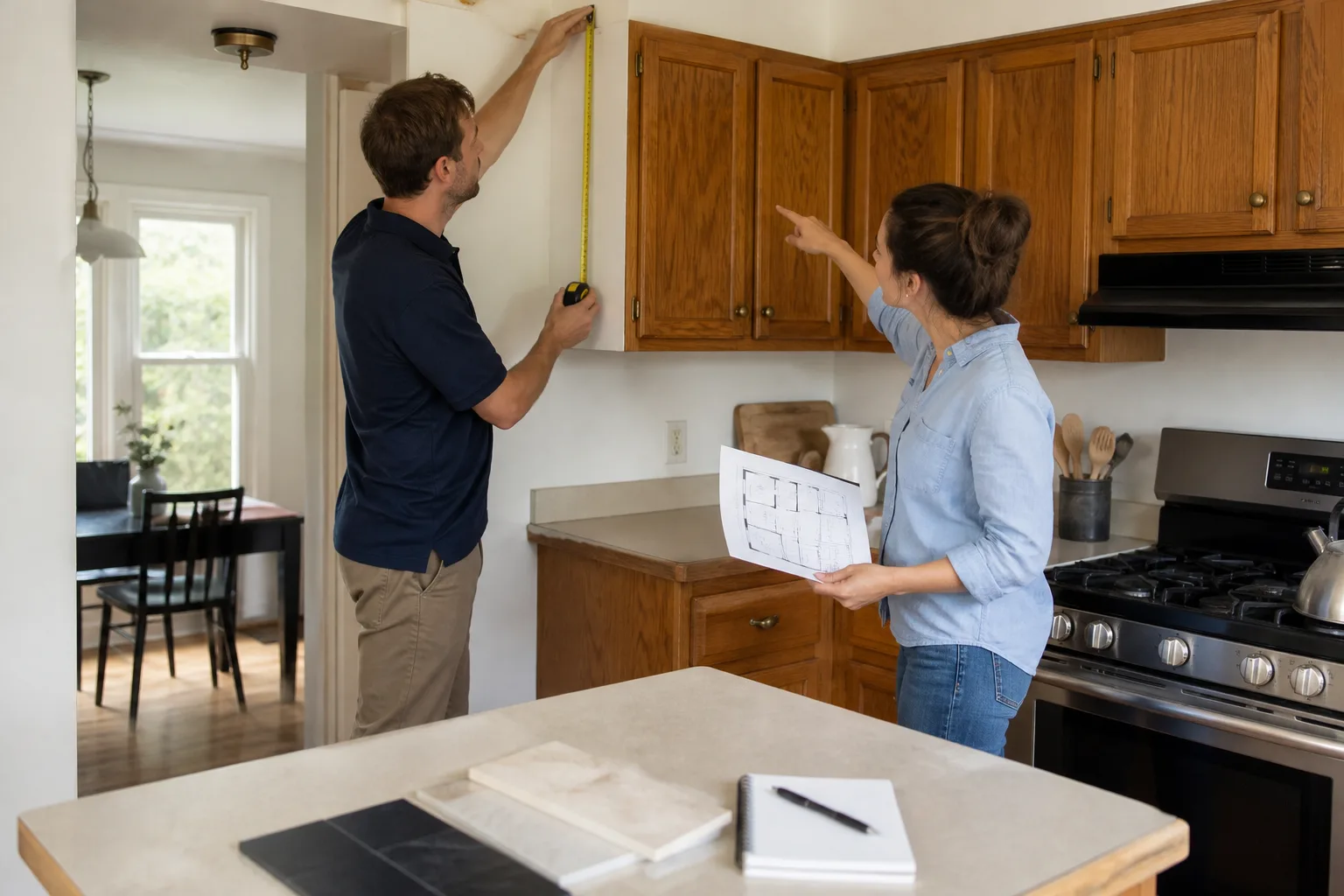
What you can safely check yourself: measure the stud spacing on any exposed framing in the addition, look for the CGI stamp labels, and flag any fastener that’s backing out. That information saves us a diagnostic visit and helps us bring the right materials the first trip.
What you should not attempt: cutting, shoring, or removing any structural member in a load-bearing wall or roof assembly. High-tension framing failures can release stored energy suddenly, and a failed beam under load can drop thousands of pounds in a heartbeat. That’s not a warning we give to pad the invoice; it’s the kind of accident that changes lives. The parts work is best left to someone who has pulled the permits and passed the inspections in West Covina more than once.
Good work shows. Bad work shows up later. If the crack is back after the last patch, call us at (341) 217-4204 and we’ll give you a straight answer about what’s moving and why.
FAQs
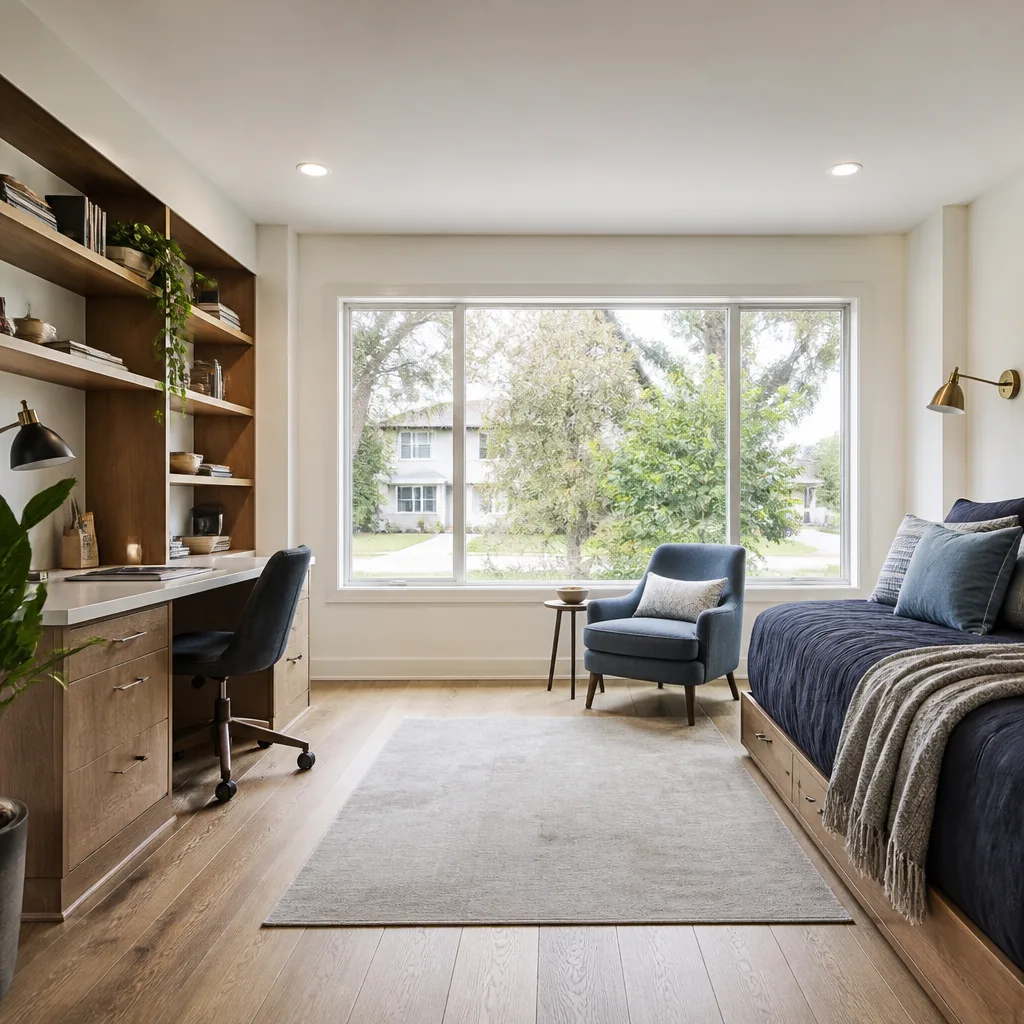
Engineered framing components in properly built additions last 50 years or more, but connector hardware and the flashing where new meets old typically need repair or replacement at the 15- to 20-year mark because of West Covina’s hot dry summers and wet winters. The thermal cycling is what wears out the metal and the fasteners, not the wood itself. Call (341) 217-4204 if you suspect hardware on an addition built before 2010.
Connectors, fasteners, and localized panel sections can usually be repaired or sistered in place. A delaminated engineered joist or a truss with a failed bottom chord generally needs replacement, because the structural rating is gone and epoxies can’t restore it. The repair-versus-replace call depends on the part’s role in the load path. We’ll show you photos and explain the reasoning before you approve anything.
Most individual part replacements, like a joist hanger, a shear panel, or a section of rim board, wrap up in one to two working days including the inspection. A truss or engineered beam replacement can take three to five days because we have to shore the structure first. Full additions and ADUs land between ten and sixteen weeks depending on permitting. Call (341) 217-4204 for a real timeline on your specific job.
We keep common connector hardware, fasteners, shear panels, and standard joist hangers on the truck for West Covina service calls. Engineered joists, trusses, and wall panels are ordered per project from CGI’s authorized distributors, which takes three to seven business days. If you can photograph the stamp label, we can often confirm availability the same day.
Written by Luca Romano, Owner, Sawyer Remodel West Covina, serving West Covina and nearby areas.