Free written scope consultation - allowances, timeline, and change-order rules on paper before a single trade is scheduled
Boxabl Home Additions & ADU: The West Covina Owner’s Guide
A full Boxabl home addition or ADU in West Covina runs $45,000 to $130,000 installed, depending on foundation work, utility connections, and finish level, while a detached ADU built from Boxabl-style modules lands between $90,000 and $220,000. Most owners reach out to us after discovering their existing unit’s seals, roof seams, or subfloor have degraded to the point that the module no longer holds temperature or keeps water out. West Covina’s summer heat and winter rain cycles put real stress on factory-built modules, especially anywhere sealant meets metal or composite panel edges.
Here’s the part most homeowners miss: a Boxabl addition isn’t one part. It’s a system of interlocking panels, corner castings, roof membranes, and under-floor connections. When one component fails, the damage usually follows a pattern. Water gets in at a seam, the subfloor swells, the corner casting starts pulling, and within a year you’re looking at a full module replacement instead of a $2,000 seal job. We’d rather catch it before that happens.
Key Takeaways:
- Installed home addition pricing in West Covina: $45,000 – $130,000
- ADU construction with Boxabl-compatible modules: $90,000 – $220,000
- Free written estimate before any work starts, per The Relay Standard
- 365-Day Done Right Promise on every repair and installation
Which Boxabl Models This Applies To
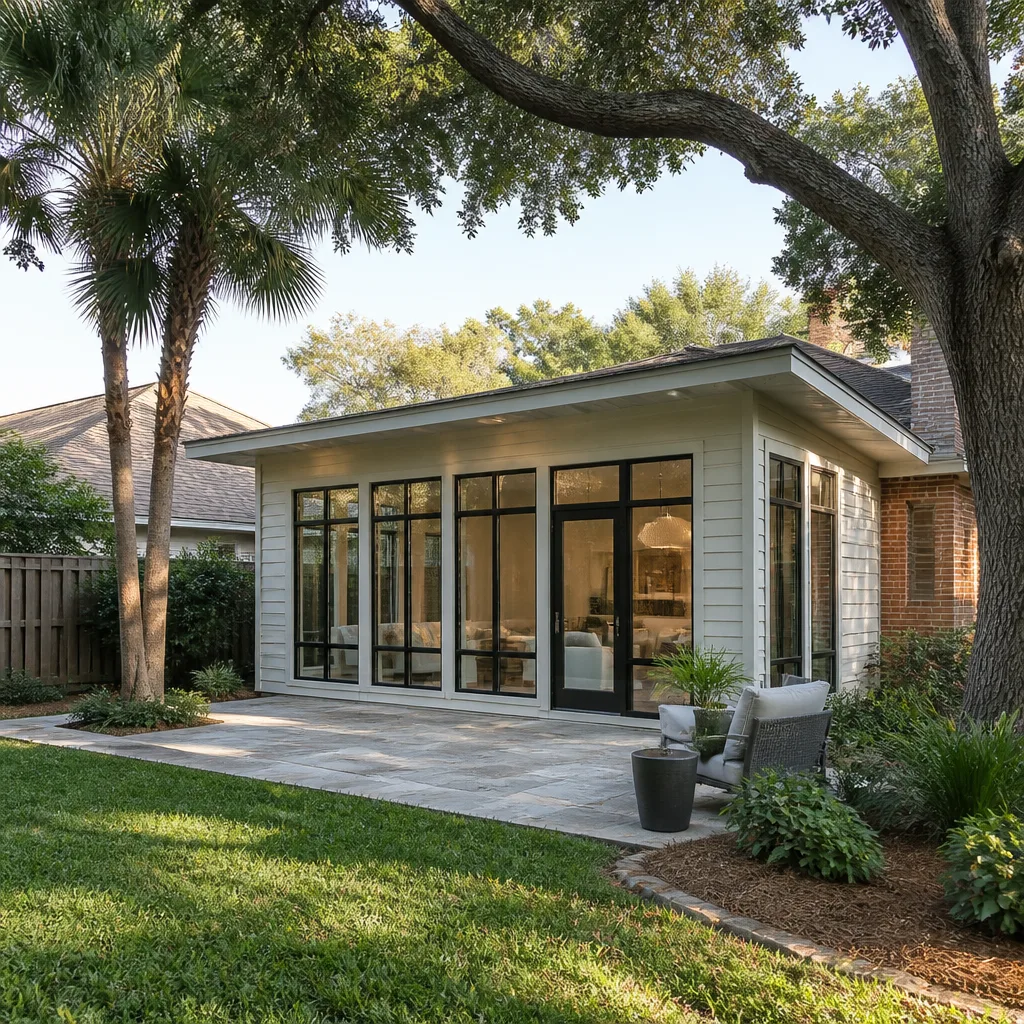
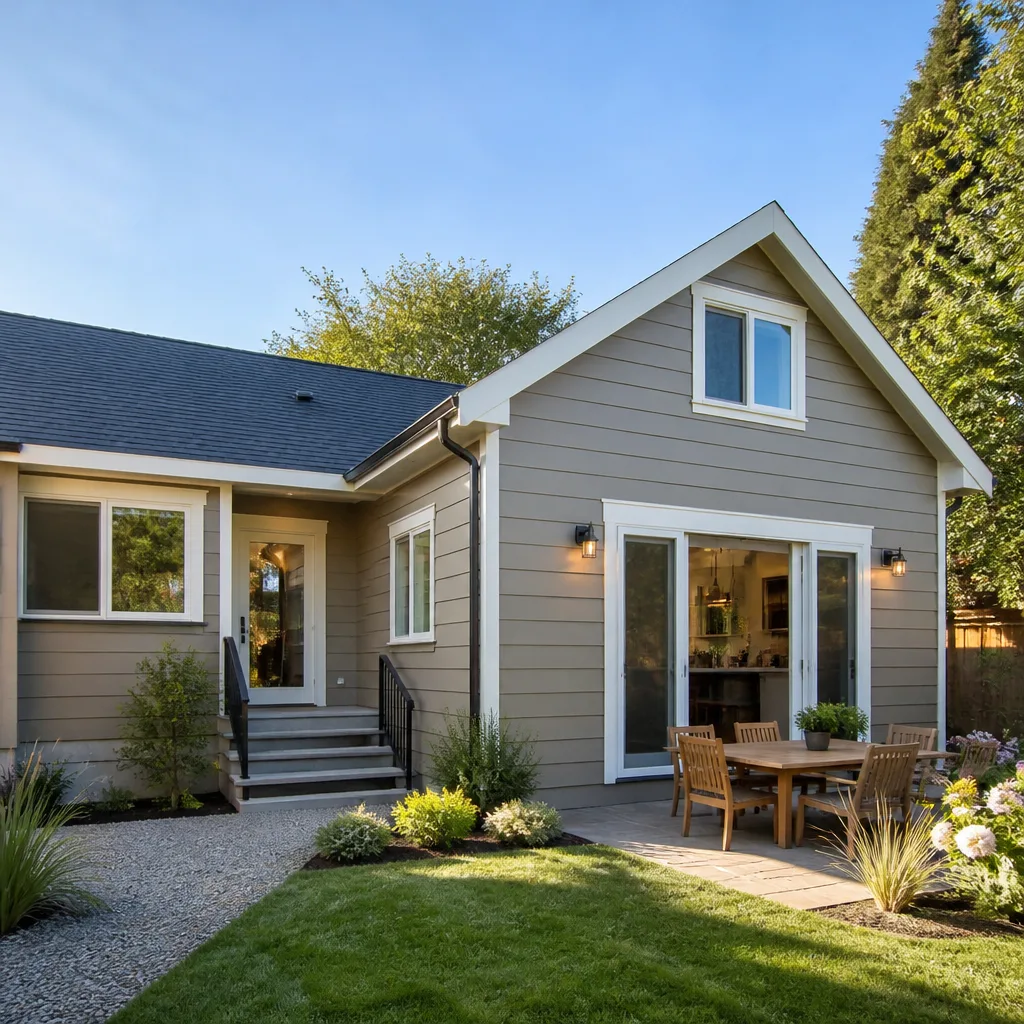
Boxabl’s Casita line is the most common unit we see in West Covina backyards, but we work on all factory-built panelized additions using similar connection systems. The Casita’s 19.5-foot by 19.5-foot footprint creates a 375-square-foot module, and the corner castings are the primary load-transfer points. If your addition is older than 2021, you’ll want to check whether it uses the original flat-roof membrane or the updated reinforced version Boxabl started shipping later. That one change affects whether we can patch the roof or need to pull and re-lay the entire membrane.
Identifying your module is straightforward. Look at the corner castings near the base. Early units have a stamped box logo and a serial starting with “BX.” Newer units use a QR code on the interior panel near the electrical panel. That serial tells us the production run, which determines panel thickness, sealant type, and roof membrane version. If you can’t find the serial, send us a photo of the corner casting; Luca Romano can usually match it from the casting shape alone.
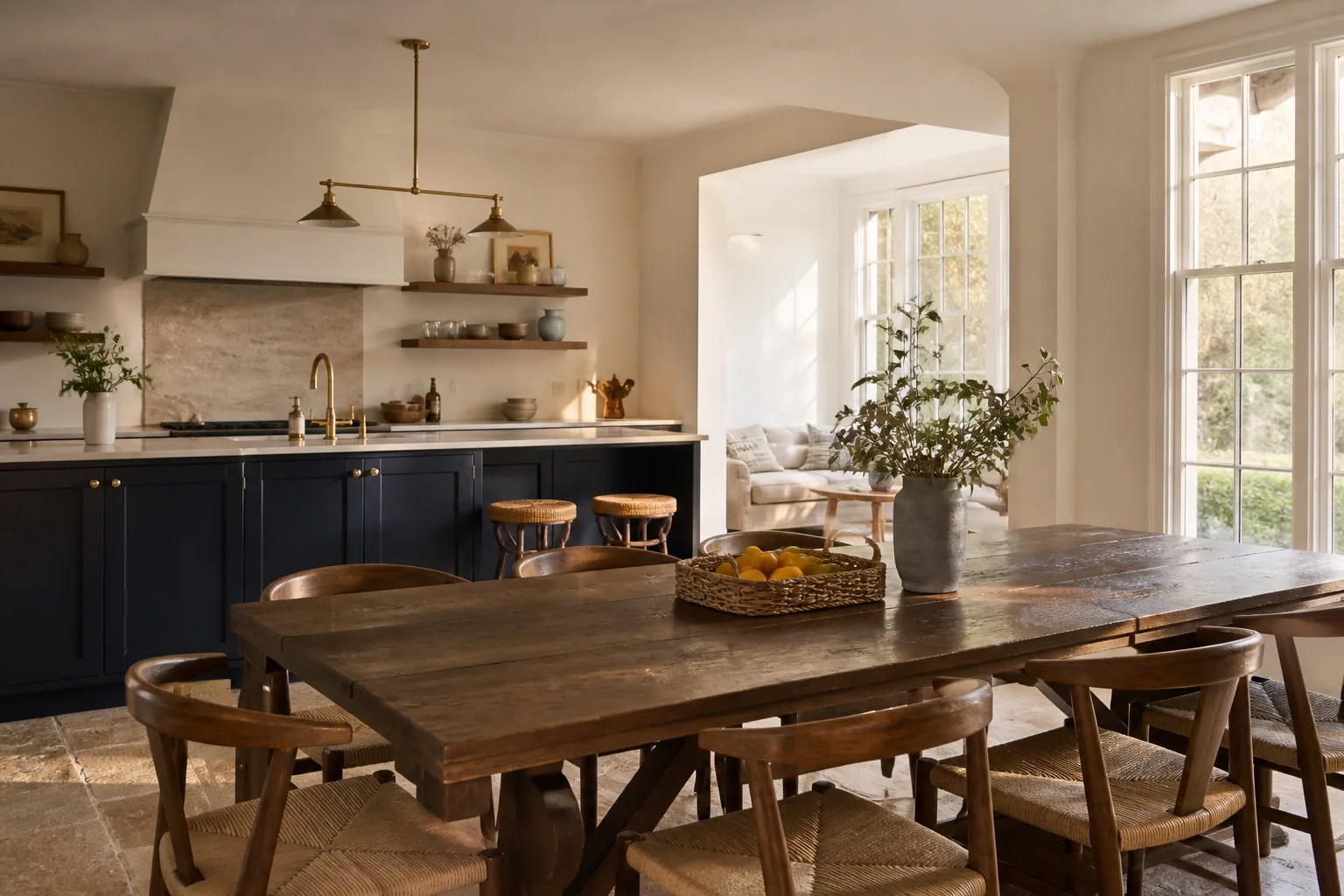
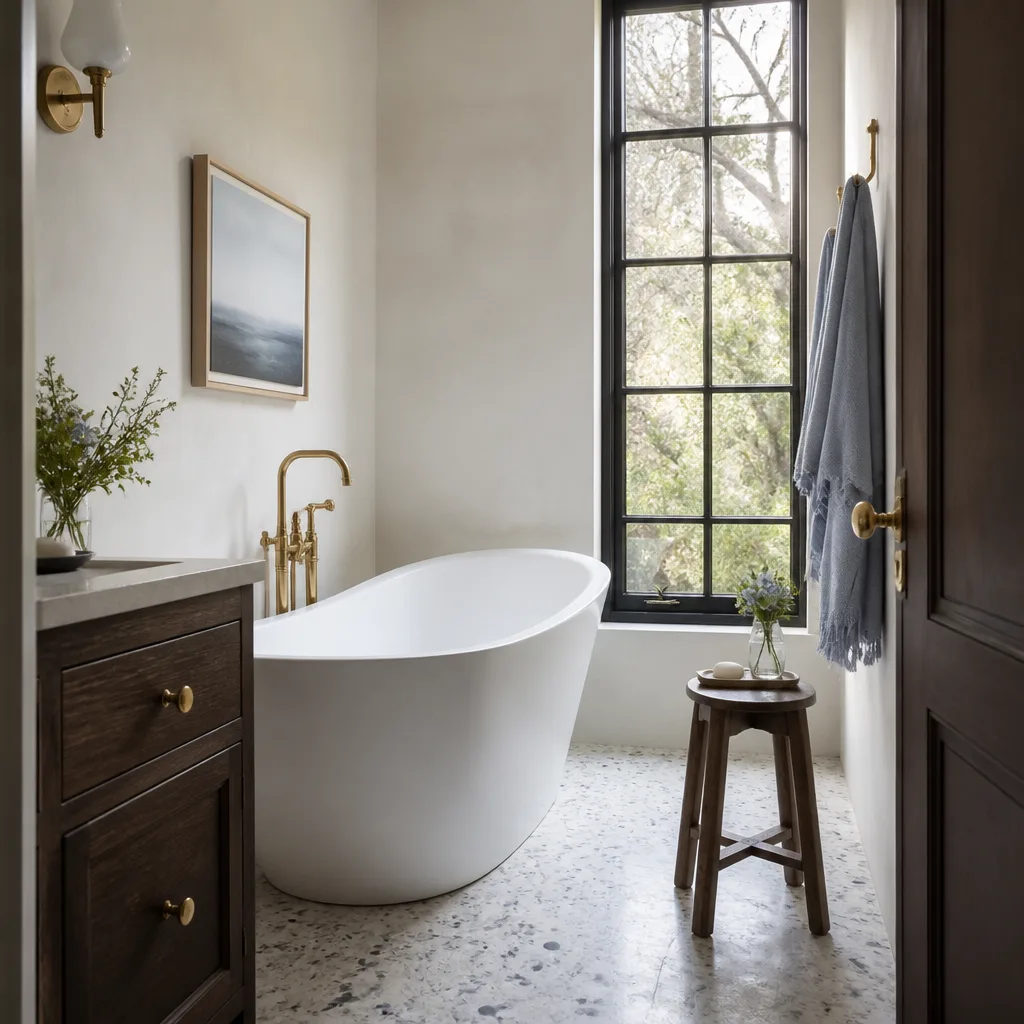
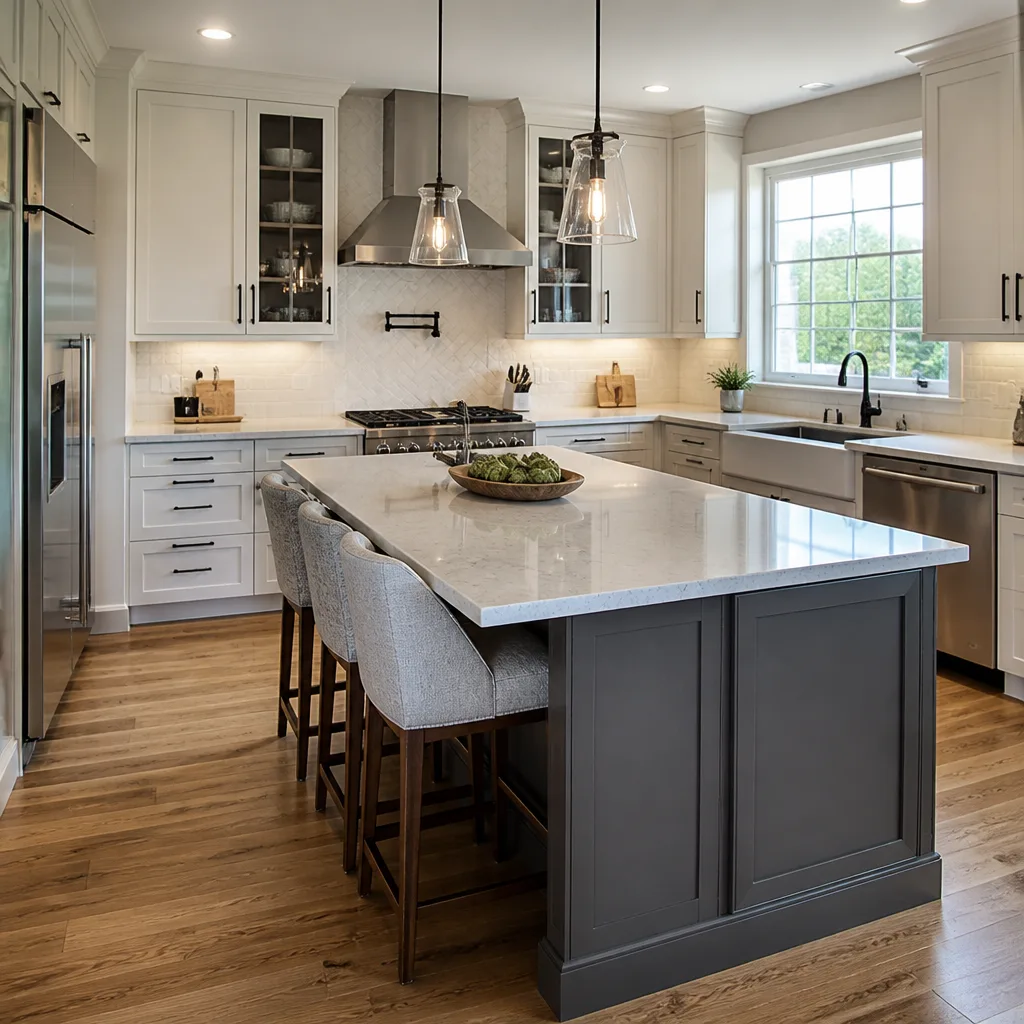
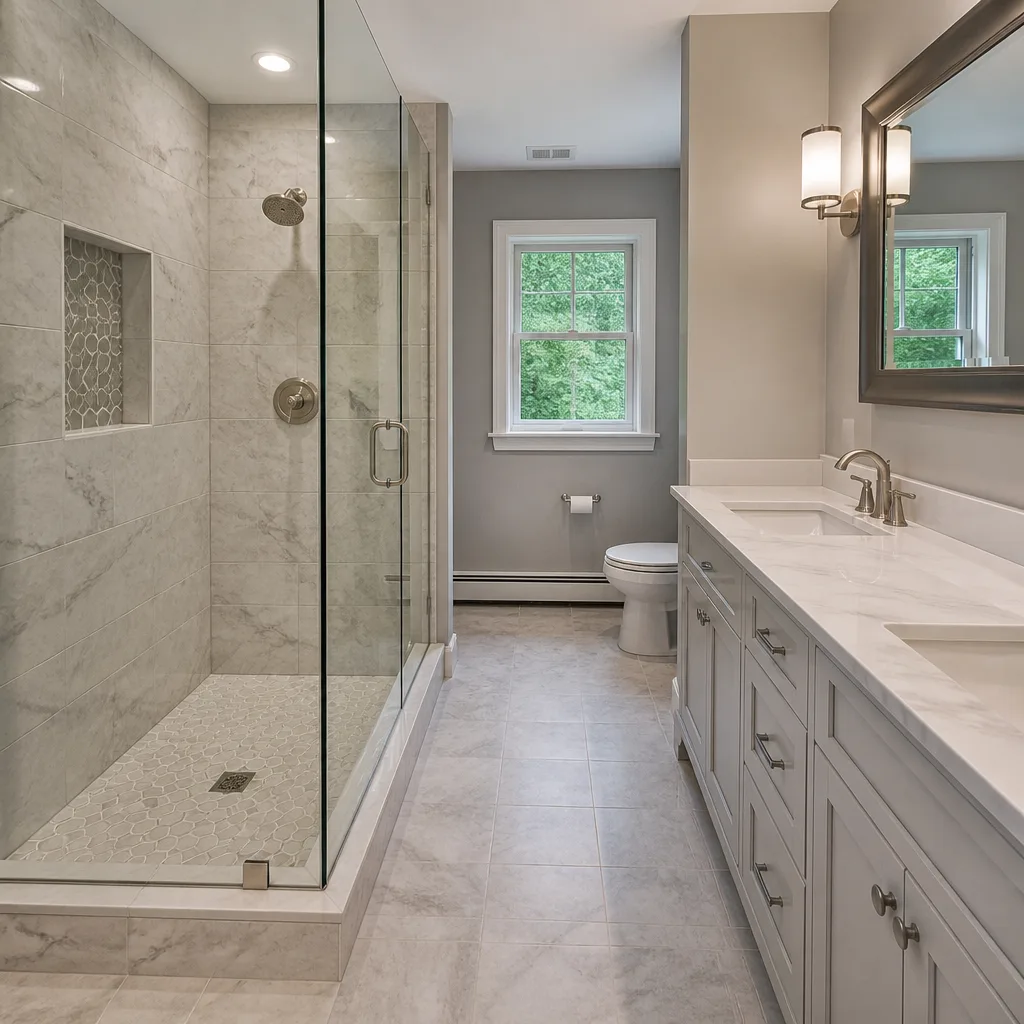
On the OEM versus aftermarket question: for structural components (corner castings, panel-to-panel connectors, hinge assemblies), we recommend Boxabl-sourced parts. The tolerances are tight, and generic aftermarket castings can cause the module to sit unevenly, which accelerates seal failure. For non-structural items like interior trim, flooring, and fixtures, quality aftermarket products from brands we already install (KraftMaid cabinetry, Cambria and Silestone countertops, Kohler fixtures) perform as well or better than original. We stock the common wear items on our trucks: sealant, flashing, panel gaskets, and standard-size corner casting bolts.
Styles & brands we work with
Signs Your Boxabl Home Addition or ADU Is Failing
- Visible water staining on interior ceiling corners. The roof membrane at the corner castings is the first place Boxabl additions leak. West Covina’s rain season from November through March pushes water into any degraded sealant, and capillary action pulls it inward. The stain pattern usually starts at the exterior corner and spreads toward the center.
- Doors and windows sticking or failing to latch cleanly. This means the module is shifting. Corner castings that have worked loose, or a subfloor that’s absorbed moisture and swelled, will throw the opening out of square by a quarter inch or more. You’ll notice the deadbolt resistance increases first, followed by visible gaps at the top or bottom of the door leaf.
- Musty odor near the floor line that gets stronger after rain. The subfloor gaskets under a Boxabl addition are the most overlooked failure point. When the module sits on a wet pad or the drainage around the base is poor, moisture wicks upward. By the time you smell it, the bottom plate and first few inches of wall panel have been wet for months.
- Cracking or peeling sealant at panel seams on the exterior. Factory sealant on Boxabl modules typically lasts 5 to 8 years in Southern California UV exposure. After that, it hardens, shrinks, and pulls away from the panel edges. Once you see hairline cracks in the sealant bead, water penetration is a matter of which storm hits first.
- Higher than expected cooling bills during West Covina summers. When panel gaskets or roof membrane fail, the thermal envelope degrades. Your mini-split has to work progressively harder to hold temperature. A 20% spike in summer cooling cost, with no change in usage habits, almost always traces back to failed panel seals or degraded roof insulation.
See the difference
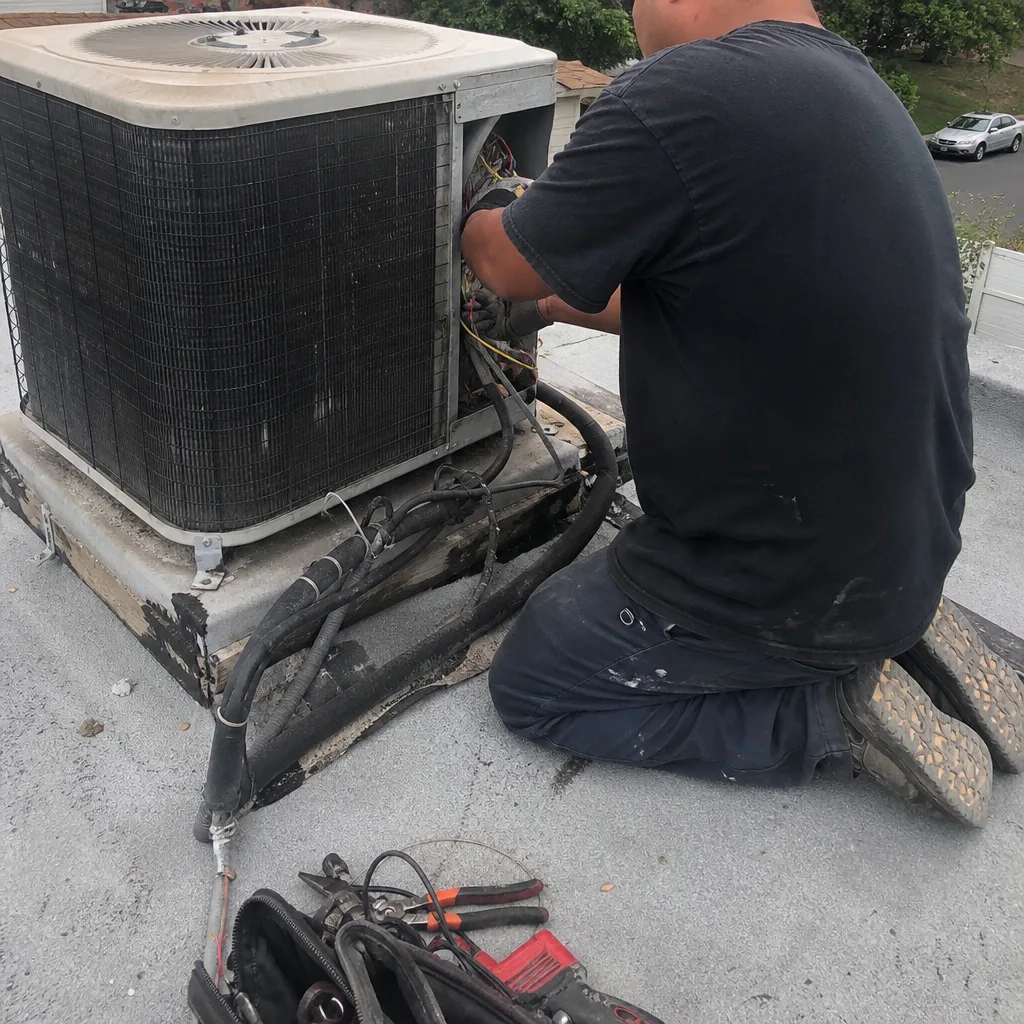 Before
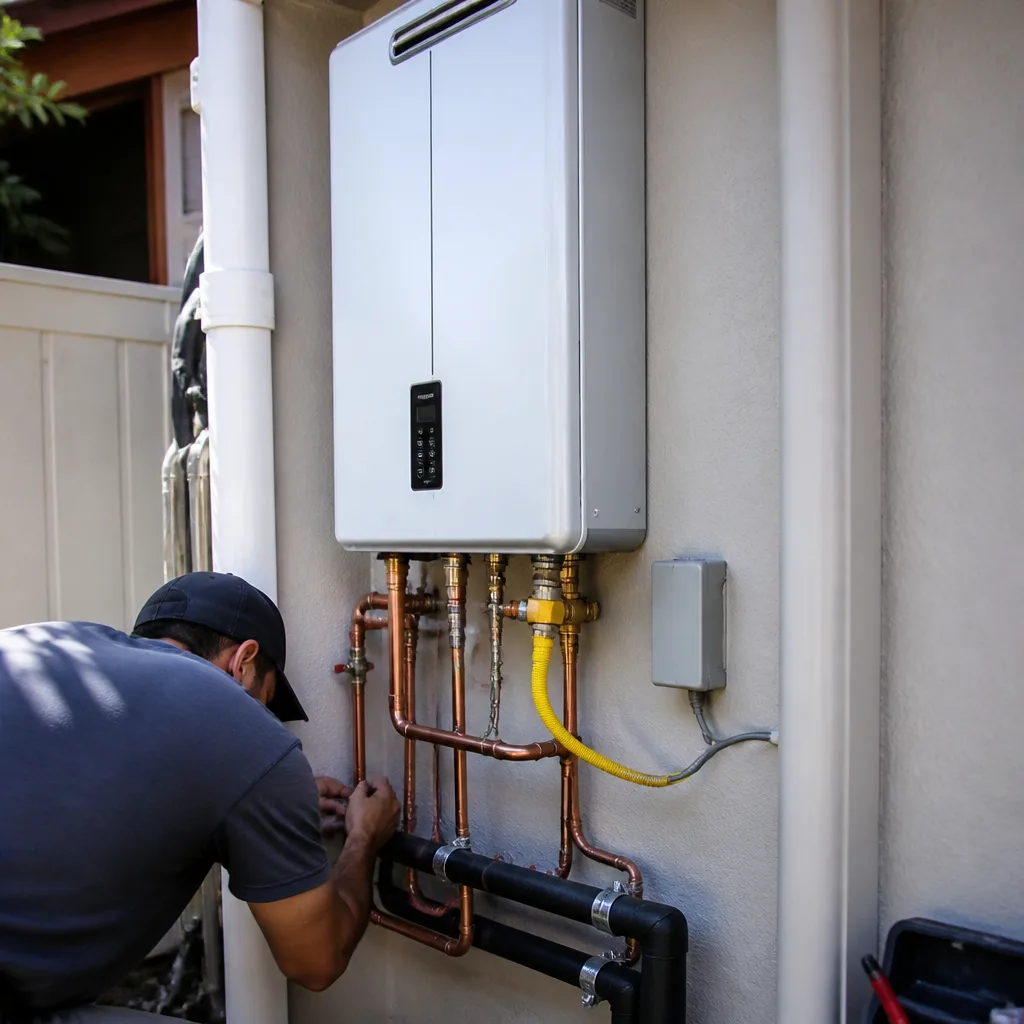 After
After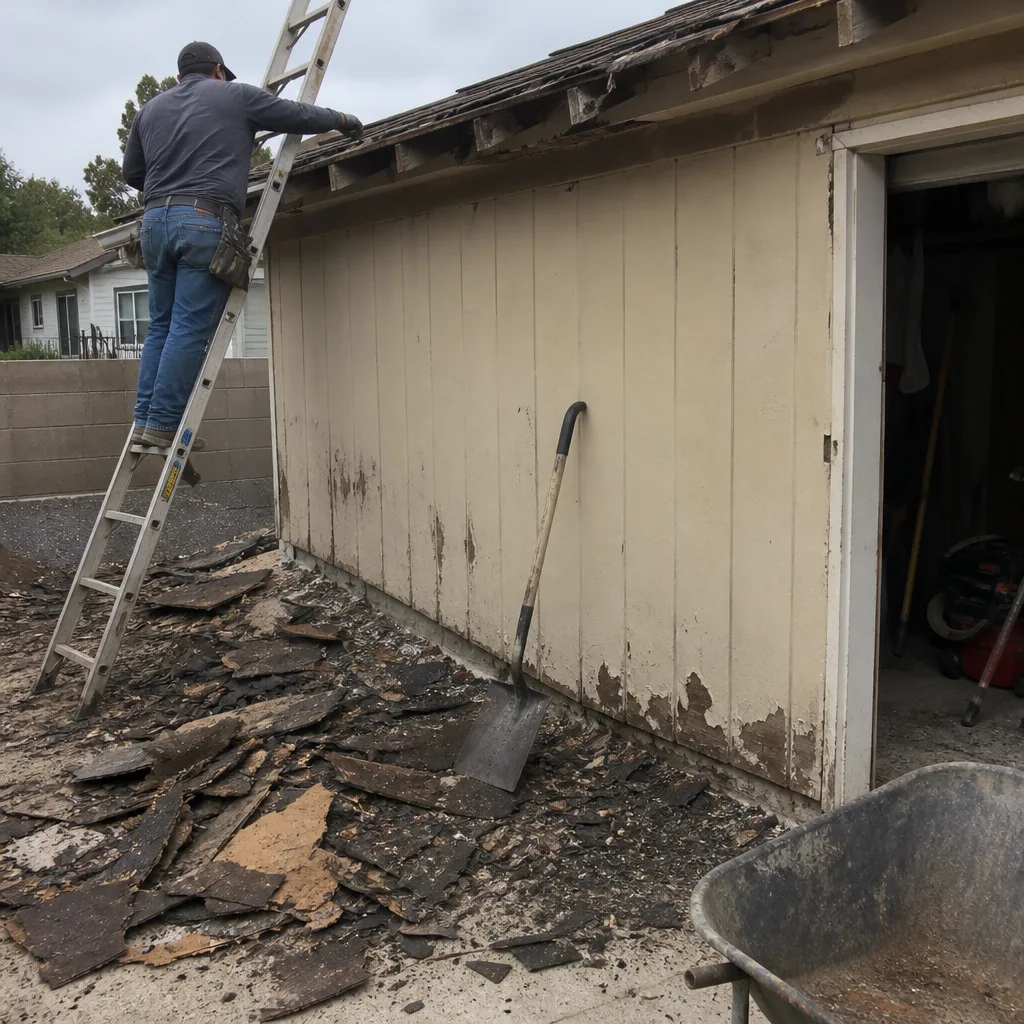 Before
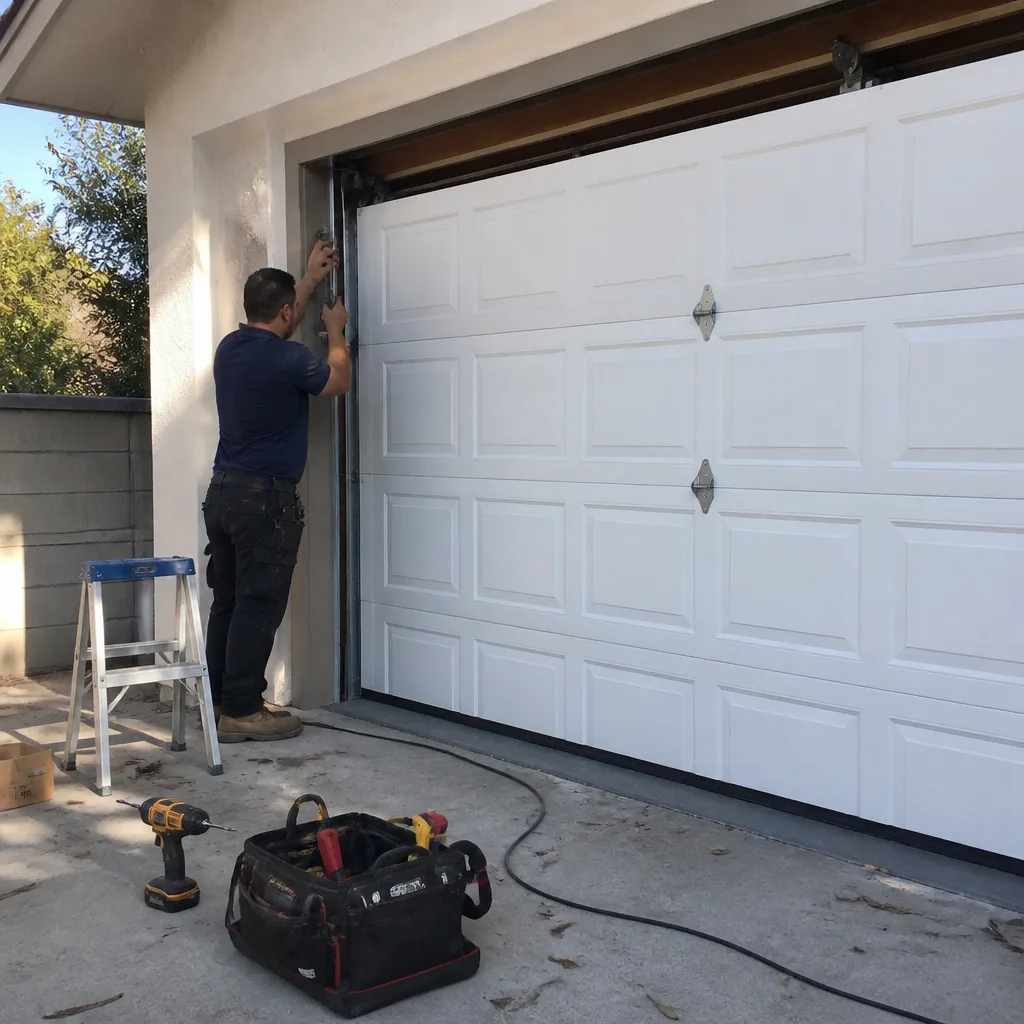 After
After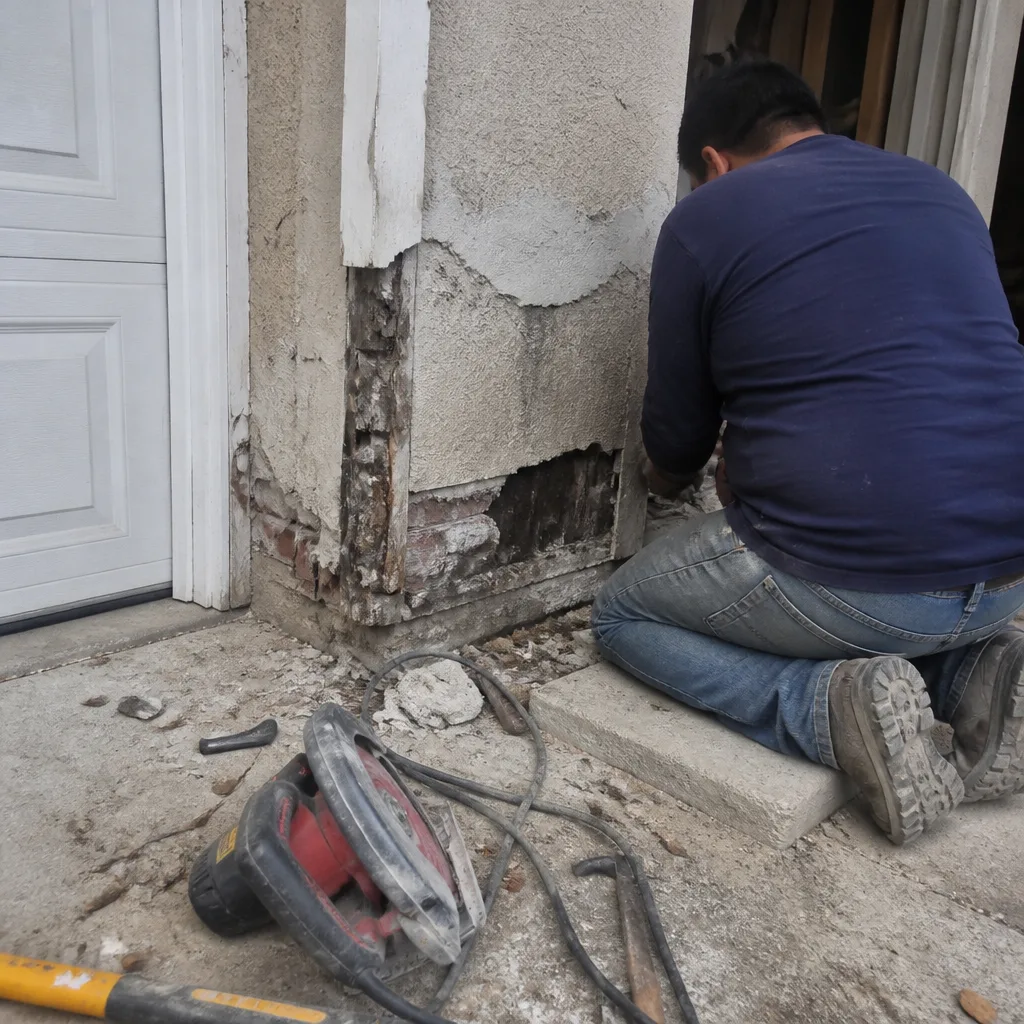 Before
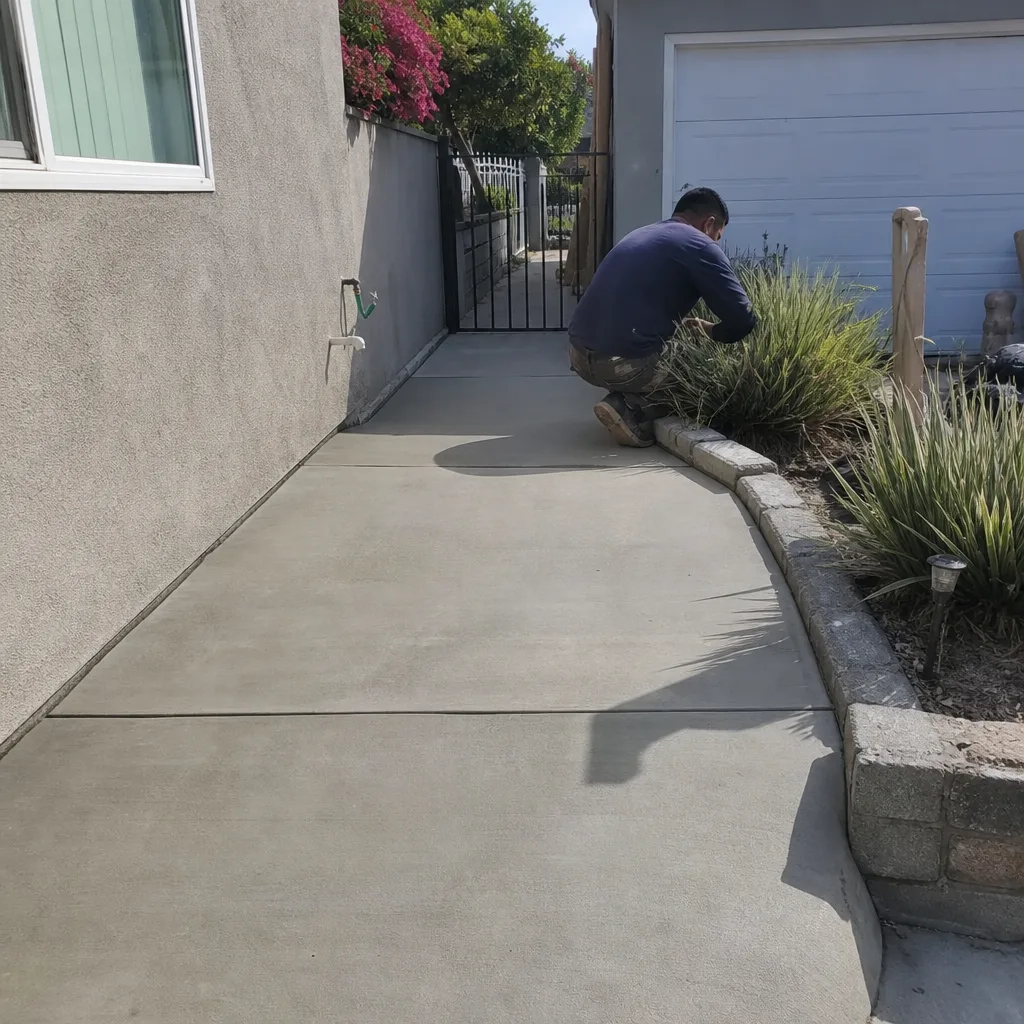 After
AfterReplacement Cost & What’s Included
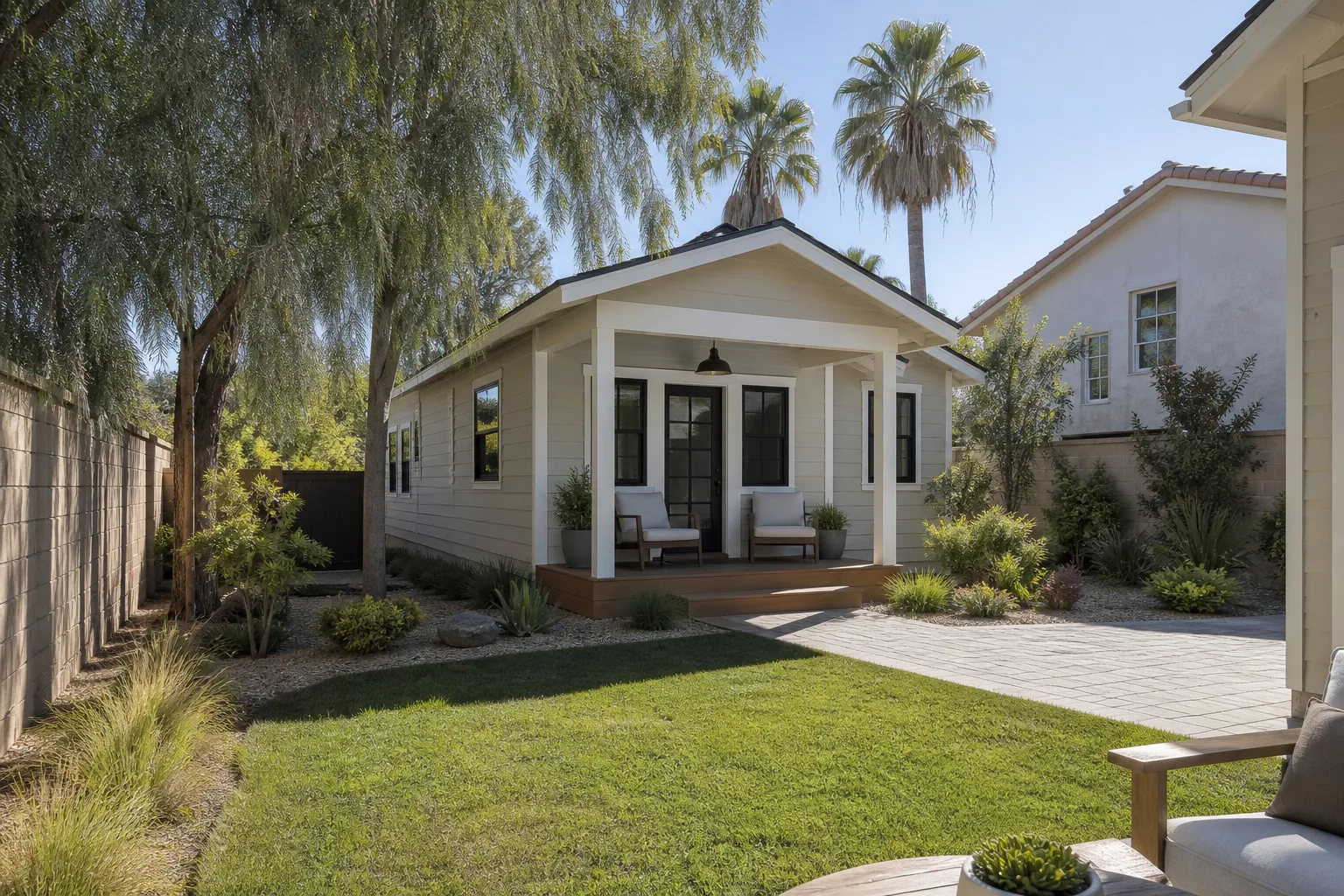
Home addition and ADU work in West Covina follows a wide range because every site is different. Here’s what we quote, in writing, before any work starts:
- Home Addition (using Boxabl-compatible panels or conventional framing): $45,000 – $130,000
- ADU Construction: $90,000 – $220,000
- Garage Conversion: $30,000 – $80,000
- Roof Membrane Repair or Replacement on existing module: $400 – $1,800
What drives the range: foundation/site prep, utility trenching distance, finish level inside, and whether the existing module can be salvaged or needs to be replaced. In the South Hills area of West Covina, we regularly see difficult access and tight footprints add 10 to 15 percent to site work costs because of the grading and retaining walls. Our written price includes all labor, materials, permits, and haul-away. If we discover something unexpected mid-project, we stop and put the change in writing before proceeding. The number on the invoice is the number you approved. Every project carries the 365-Day Done Right Promise: if it’s not done right, we make it right, backed in writing.
DIY or Call Us?
You can safely inspect your Boxabl addition yourself. Walk the perimeter and look for cracked sealant, loose corner casting bolts, sagging roof membrane, or standing water near the foundation. That inspection tells us what we’re walking into. What you shouldn’t do is attempt panel removal or structural repairs yourself. The panels on a Boxabl module carry the full load of the roof, and removing or loosening one without proper shoring can cause the module to shift unexpectedly. Roof membrane work on a unit that’s actively leaking is also not a weekend project; one missed seam means the leak persists and you’ve spent money on nothing. Good work shows. Bad work shows up later.
If you’ve spotted any of the warning signs above, call us at (341) 217-4204. We’ll get someone out to give you a written price before any work begins, and you’ll know exactly who is coming before they arrive.
FAQs
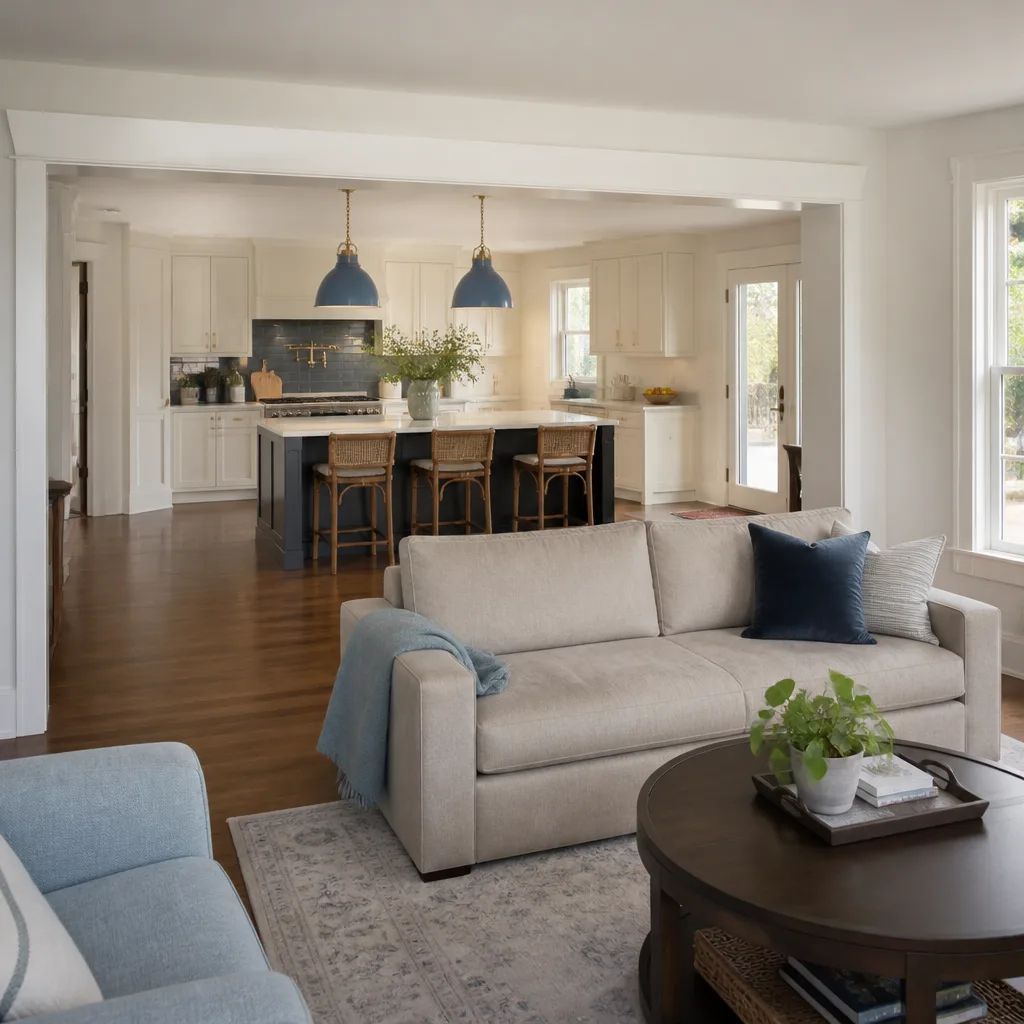
With proper maintenance, the structural shell of a Boxabl addition lasts 30 to 50 years, but the sealant, gaskets, and roof membrane need replacement every 5 to 8 years in Southern California’s UV exposure. The HVAC and water heater inside typically last 10 to 15 years. The difference between a module that lasts a decade and one that doesn’t usually comes down to how quickly failed sealant gets addressed. Call (341) 217-4204 and we’ll inspect yours and give you a straight answer on remaining life.
Most failing Boxabl additions are repairable if the problem is caught before water has rotted the subfloor or wall panels. Seal and gasket replacement runs $400 to $1,800. Full panel replacement runs higher. Once water has penetrated the subfloor and caused measurable swelling or soft spots, you’re looking at partial module replacement, which pushes into the $15,000 to $40,000 range depending on scope. Call us before the water wins; we’ll tell you honestly which path makes sense.
A standard Boxabl-compatible home addition takes 3 to 6 months from permit to final inspection. A detached ADU typically runs 4 to 8 months. What slows West Covina projects down most often is the permitting queue and any grading or retaining wall work. We pull all permits and handle every inspection for you, and we send photo updates before and after each phase. Call (341) 217-4204 for a realistic timeline based on your specific site.
Yes. Our service vehicles carry the common wear items: panel sealant, flashing, corner casting bolts, gaskets, and roof membrane patch material. For full panel replacements or specialized Boxabl components, we order directly from the manufacturer or a vetted supplier, which typically adds 3 to 7 days to the schedule. We’ll always tell you upfront if a part needs to be ordered, and we don’t start the clock on labor until materials are on-site.
No, unless you approve a change in writing. The Relay Standard means you get a written price before we pick up a single tool. If we find hidden damage during demolition or inspection, we stop and show you what we found. You decide what happens next, in writing, before we proceed. No surprise invoices at the end. Call (341) 217-4204 for a free estimate, and you’ll see the number in writing before you commit to anything.
Sawyer Remodel West Covina is an independent service provider and is not affiliated with or endorsed by Boxabl. All product names and trademarks belong to their respective owners.
Written by Luca Romano, Owner, Sawyer Remodel West Covina at Sawyer Remodel West Covina, serving West Covina and nearby areas.