
Free written scope consultation - allowances, timeline, and change-order rules on paper before a single trade is scheduled
James Hardie Kitchen Remodeling: The West Covina Owner’s Guide
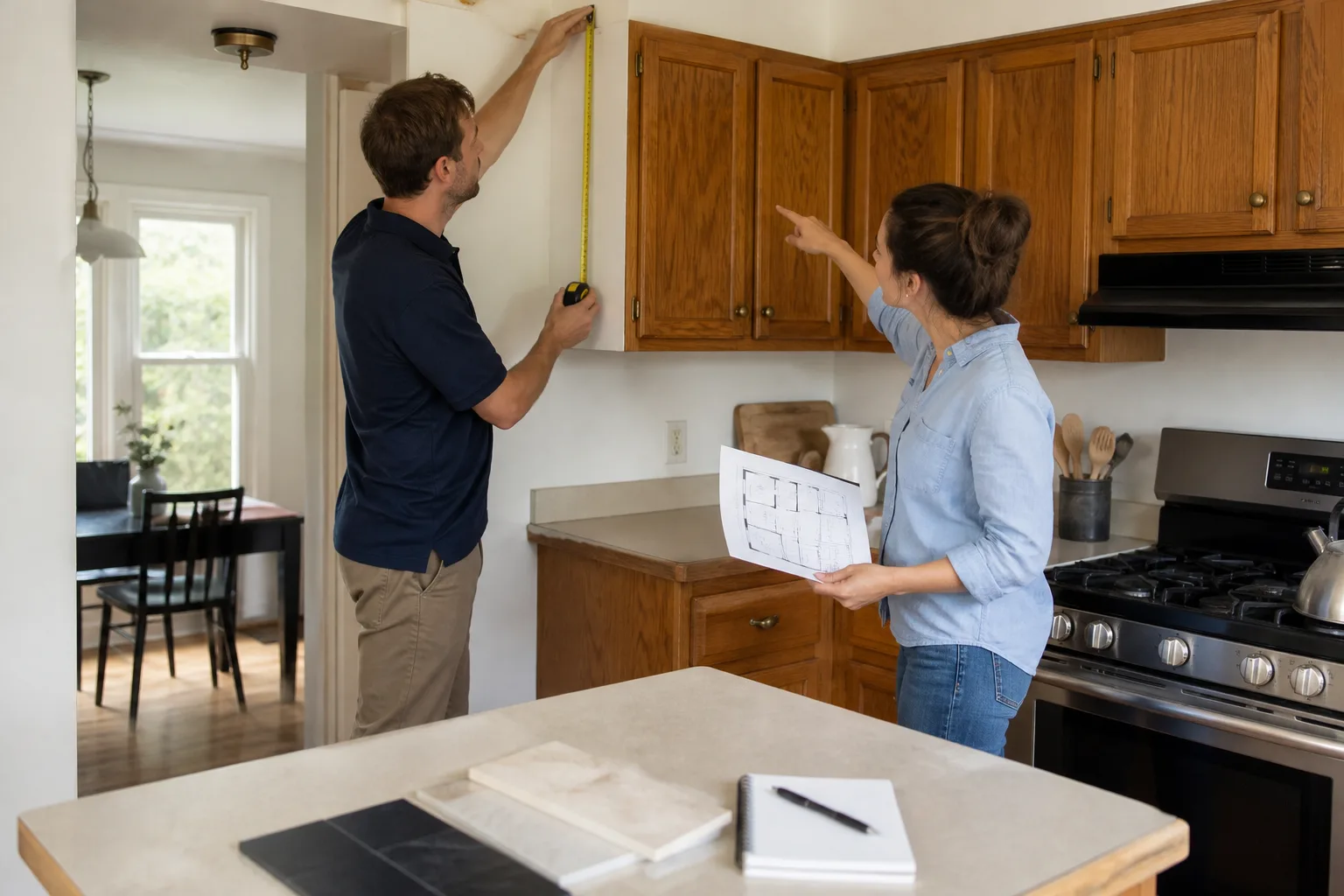
James Hardie siding and trim products hold up well in West Covina’s dry summers, but kitchens are a different animal. Steam, grease, heat cycling, and the occasional pot lid to the wall put real stress on HardieBacker board, HardiePanel, and the seams where they meet your cabinets and countertops. If you’re reading this, you probably have a failed seam, cracked backer board behind a sink, water staining below a window, or a tile job that’s starting to telegraph cracks because the substrate underneath failed. A James Hardie kitchen remodel in West Covina typically runs $14,000 to $45,000 installed, and we can usually get you scheduled for an in-home estimate within a few days. We’re Luca Romano’s crew at Sawyer Remodel West Covina, and yes, we stock HardieBacker and HardiePanel trim stock on our trucks for patch and repair work.
Key Takeaways:
- James Hardie kitchen remodels in West Covina run $14,000 – $45,000, with partial repairs of failed backer board or trim starting lower.
- The most common failure point is HardieBacker seams behind sinks and dishwashers, where repeated moisture exposure breaks down the mesh tape.
- We’re an independent West Covina contractor, not a James Hardie corporate installer. We buy direct from authorized distributors and warranty our labor separately.
- Every estimate is a written price before work starts. No change orders unless you approve them first.
Which James Hardie Models This Applies To
Your kitchen probably has one or more of these James Hardie products in the build: HardieBacker 500 cement board (the industry standard for tile substrates, 1/2″ thick for walls, 1/4″ for floors), HardieBacker 100 (thinner profile for low-clearance work), HardiePanel (structural siding used on exterior kitchen walls, usually 4×8 sheets), or HardieTrim boards (5/4″ and 4/4″ profiles used around windows and door frames). Each one has spec quirks. HardieBacker 500 needs alkali-resistant mesh tape at every seam or the seams crack. HardiePanel can’t be buried in soil or it wicks moisture. HardieTrim expands and contracts more than wood composite trim, so the gap spacing matters.
When you call us about a failed James Hardie kitchen surface in West Covina, we ask you to do one thing before we show up: look for a printed label. HardieBacker boards are stamped with the thickness and batch number. HardiePanel sheets have a nailing pattern printed right on the face. If you can’t find a label, snap a photo of the failed area with your phone and text it to us. We can usually identify the product by the edge profile and tell you whether an OEM sheet or a spec-match aftermarket equivalent (like WonderBoard or Durock for tile backer) is the smart play. For tile substrates, we spec HardieBacker OEM on kitchen floors every time because the manufacturer warranty only applies when the whole system matches. For exterior trim patches, a quality spec-match composite is fine and often cheaper.
Styles & brands we work with
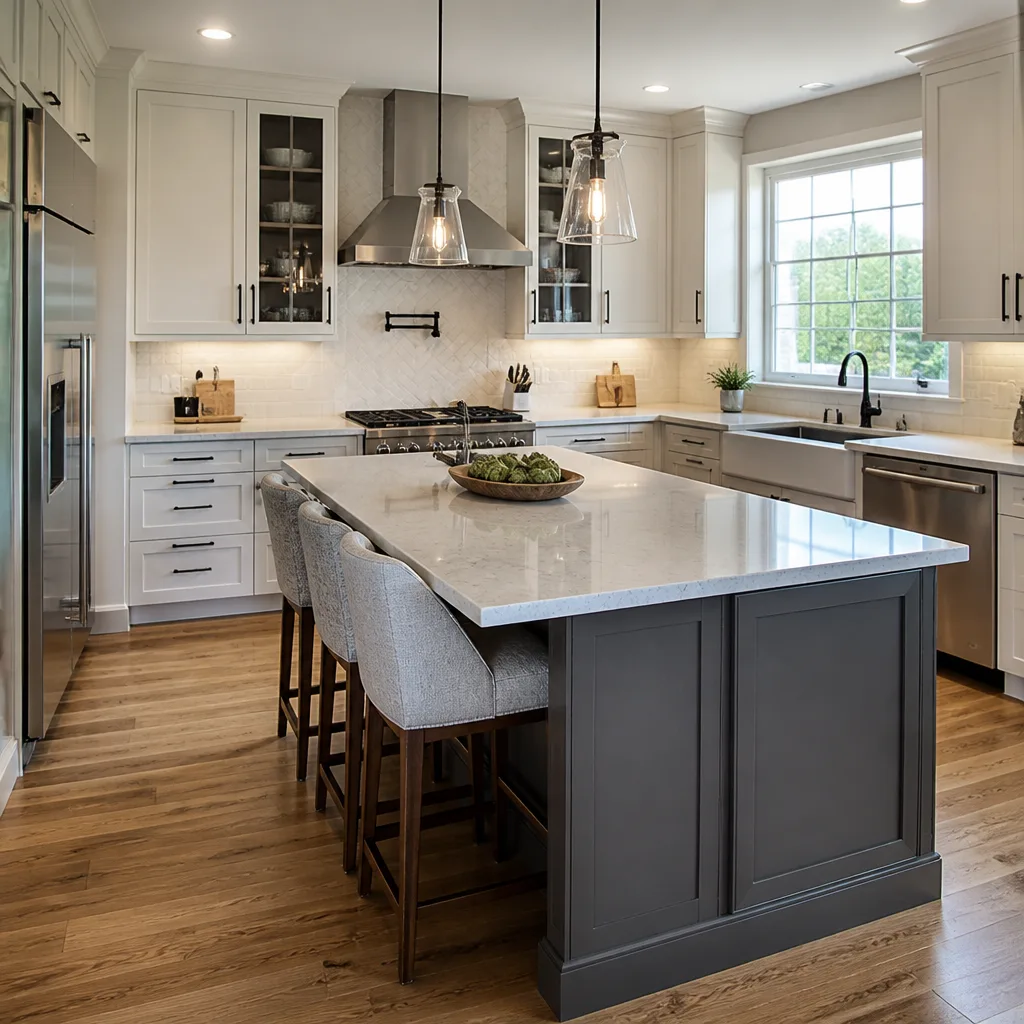
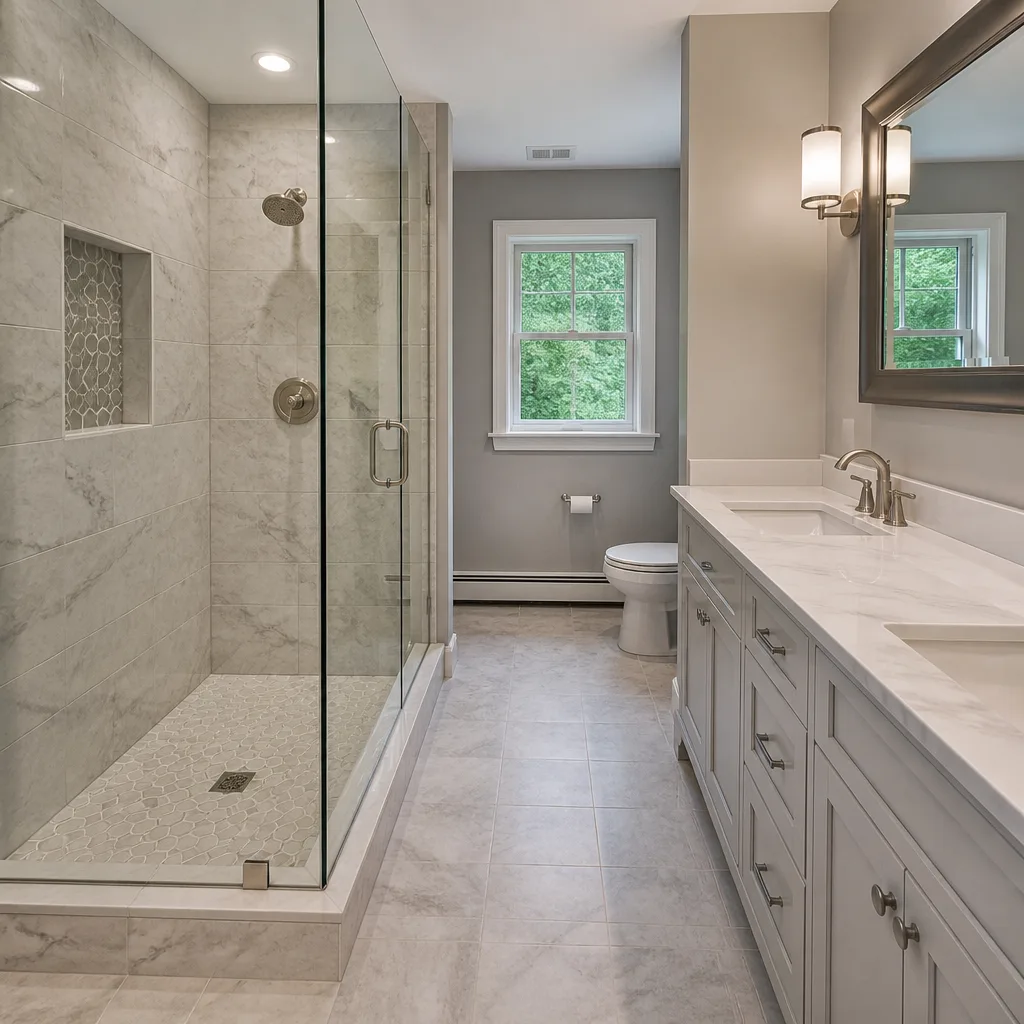
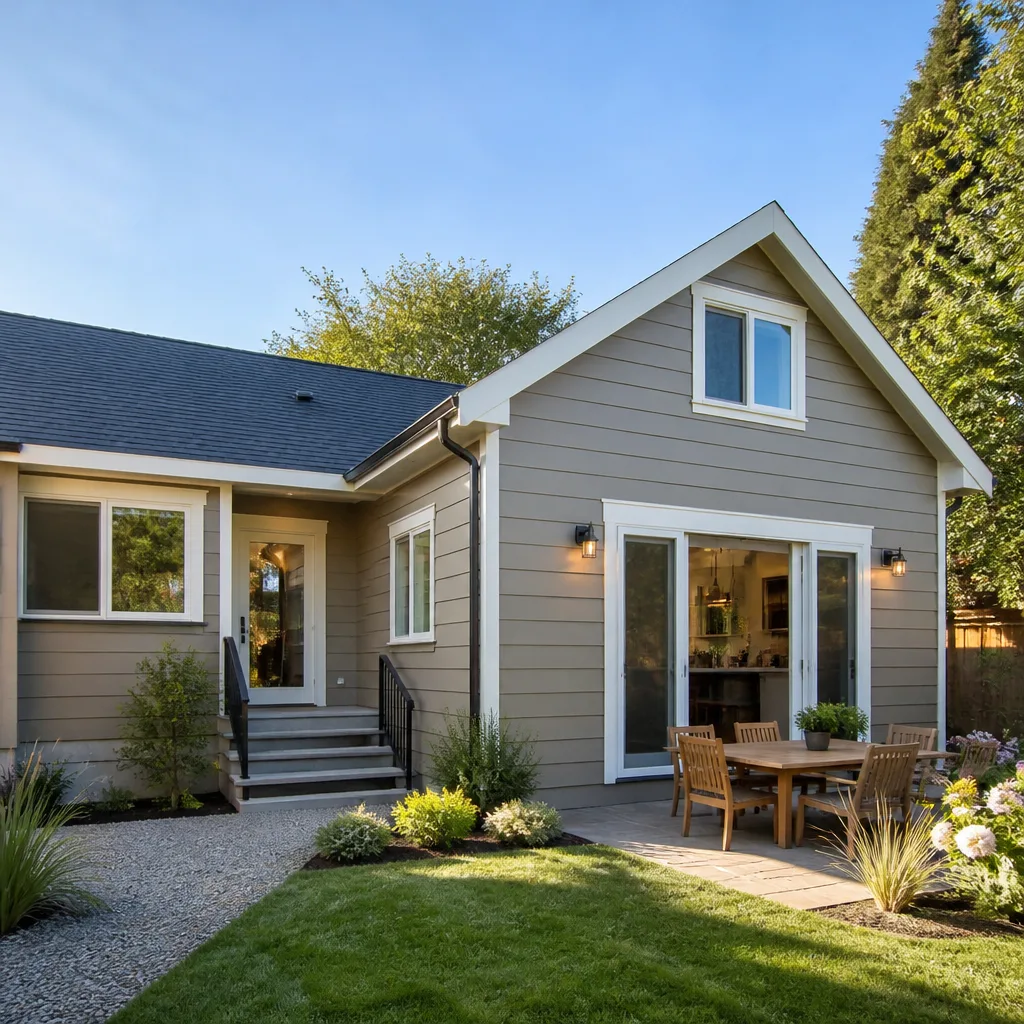
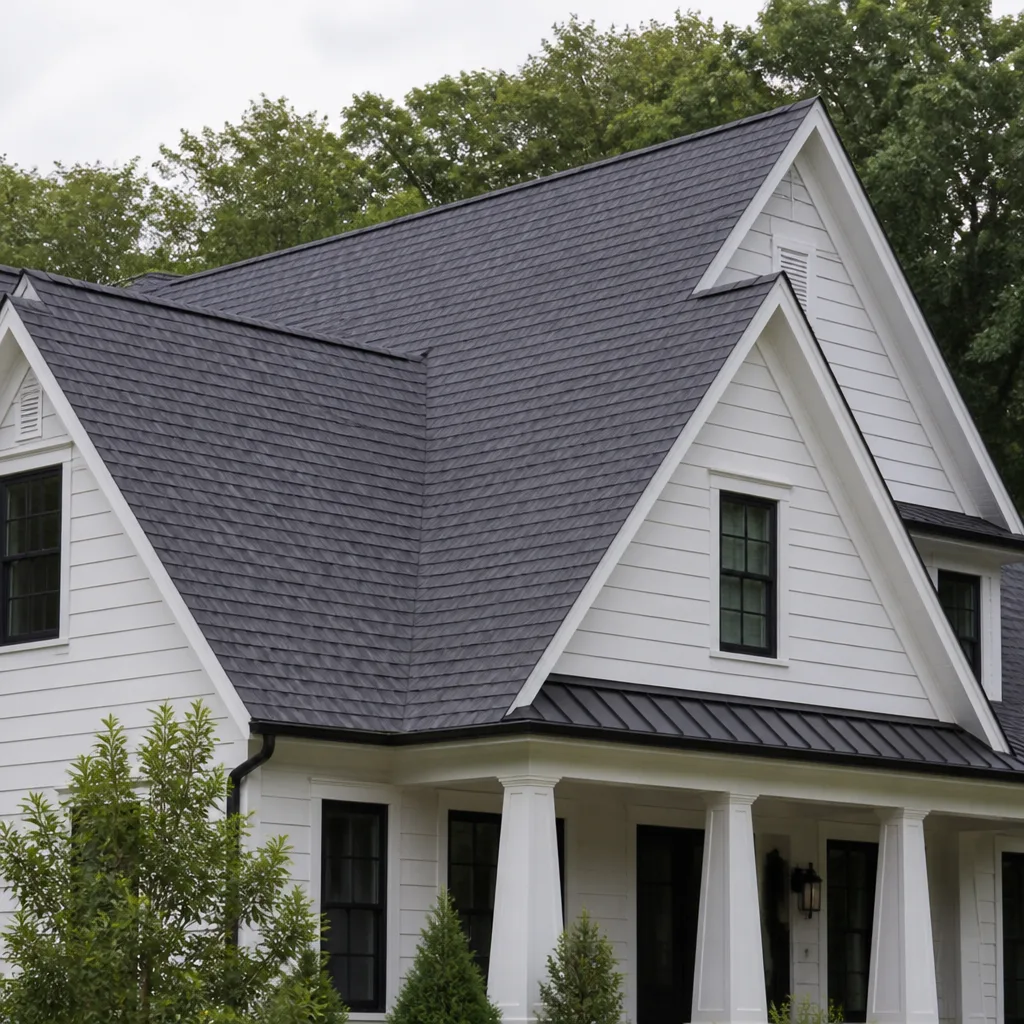
Signs Your James Hardie Kitchen Remodeling Is Failing
- Cracked grout lines running in a straight line across the floor tile. That’s the seam between two HardieBacker boards telegraphing through. The board was installed without the proper 1/8″ gap at the seam, and expansion pressure cracked the tile above. The fix is pulling the tile, re-seaming the board, and re-tiling the affected run.
- Soft spots around the sink base cabinet. HardieBacker isn’t waterproof, it’s water-resistant. If the seam between the backer board and the sink cutout wasn’t sealed with a waterproof membrane, every splash finds its way underneath. Once the board swells and delaminates, the tile pops.
- White chalky residue on the wall behind the range. Cement board absorbs grease and moisture over time, and when it can’t breathe, efflorescence (mineral salts) pushes through the paint or thinset. This means the board is saturated and needs replacement, not a fresh coat of paint.
- Tile popping off clean, with thinset stuck to the tile but not the board. This is a bonding failure. HardieBacker is thirsty. If you don’t sponge it down before spreading thinset, the board sucks the water out of the mortar before it cures, and you get a weak bond. Common in kitchens done fast by production crews.
- Swelling or dark stains at the bottom of exterior HardiePanel behind the kitchen’s outer wall. In West Covina’s hot, dry climate, irrigation overspray against the exterior kitchen wall is a common culprit. HardiePanel wicks that water up, and over time the bottom edge rusts the fasteners and softens the panel. That’s a structural repair, not a patch.
See the difference
 Before
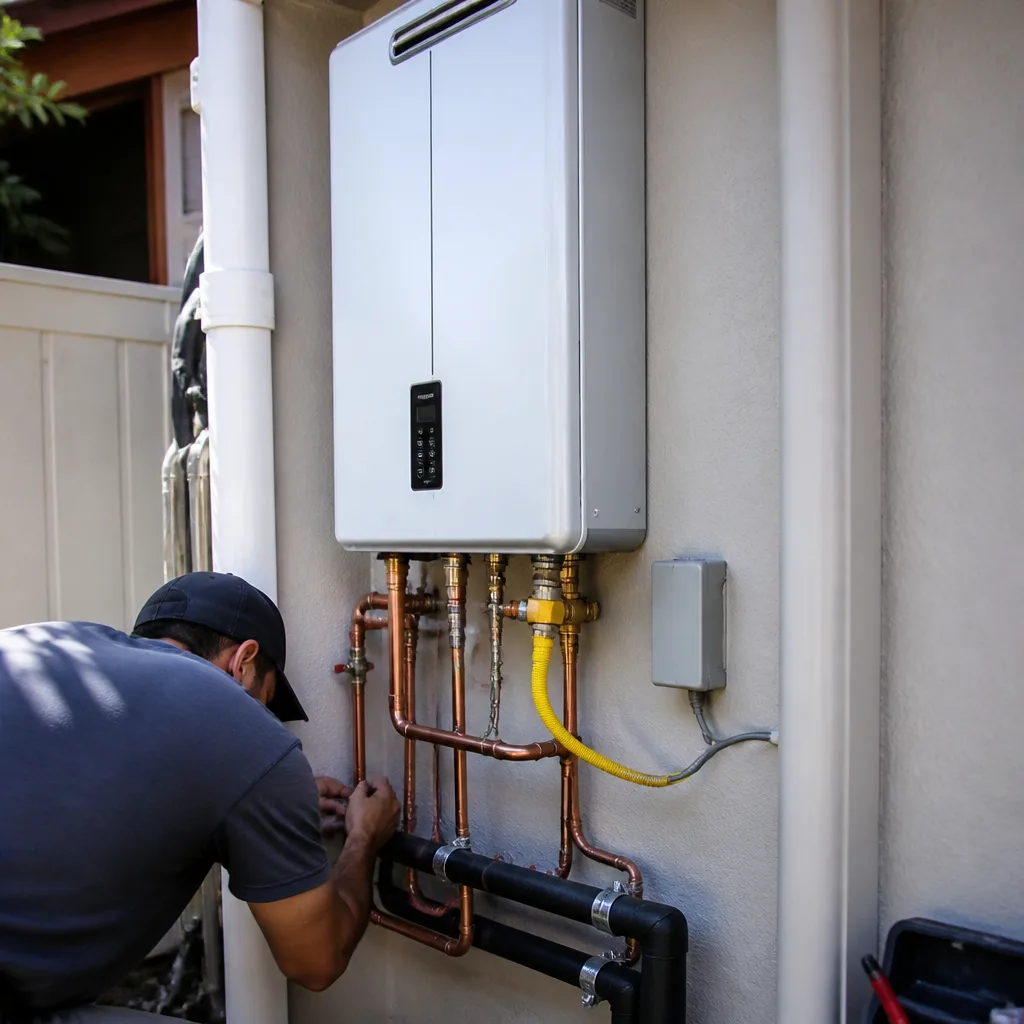 After
After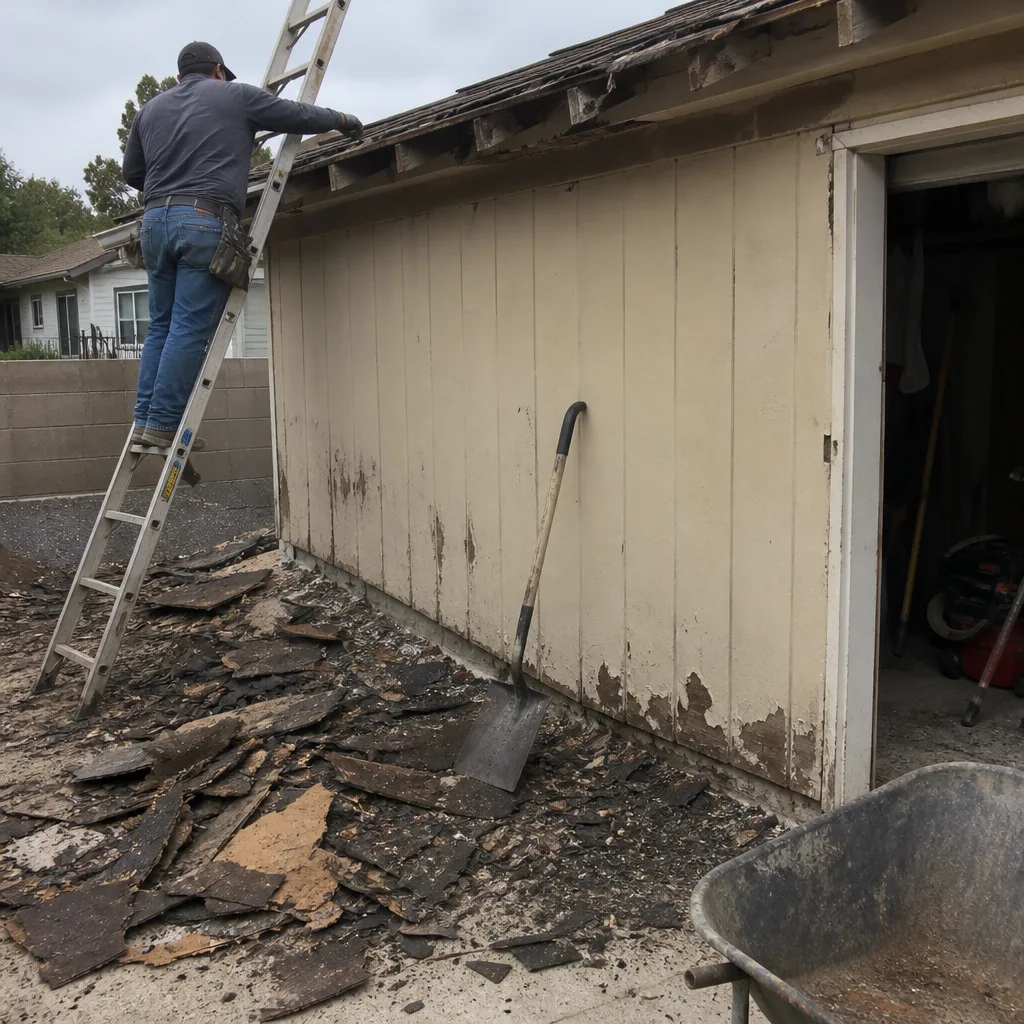 Before
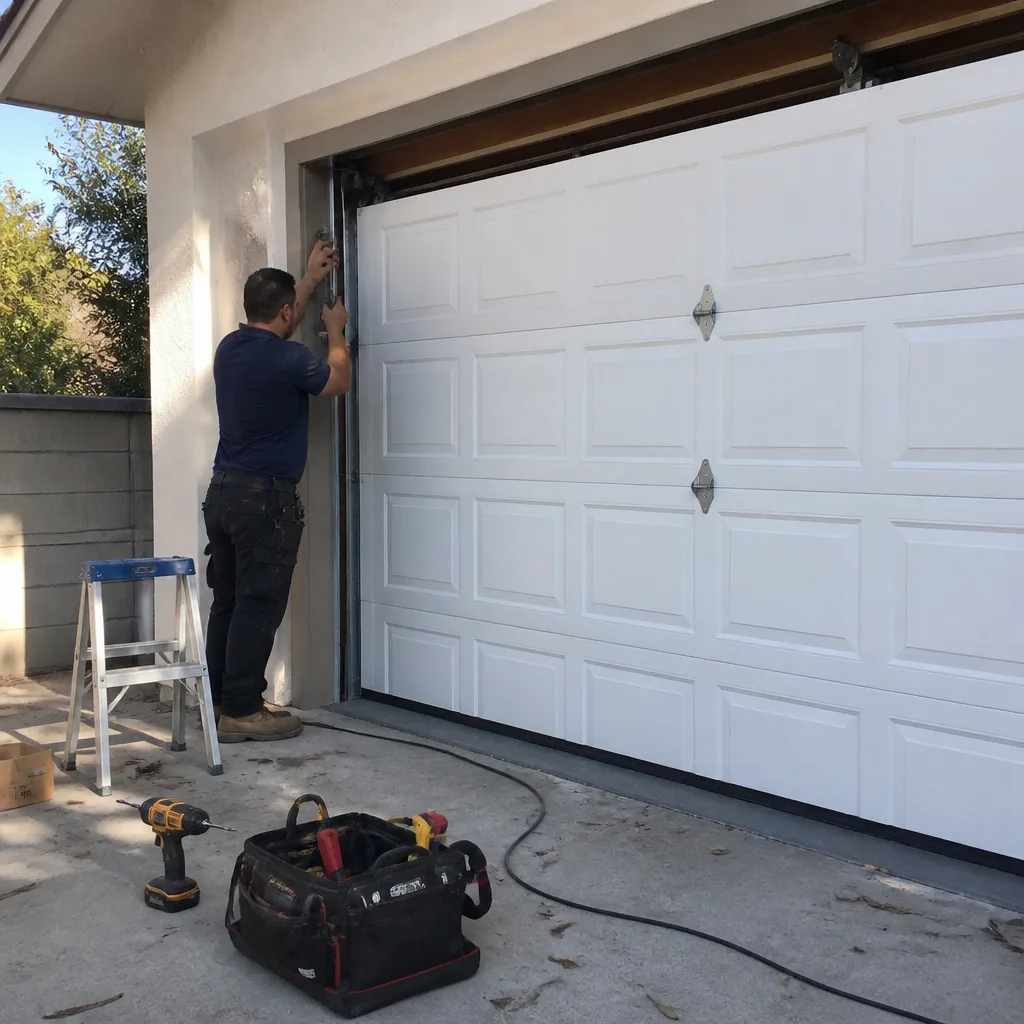 After
After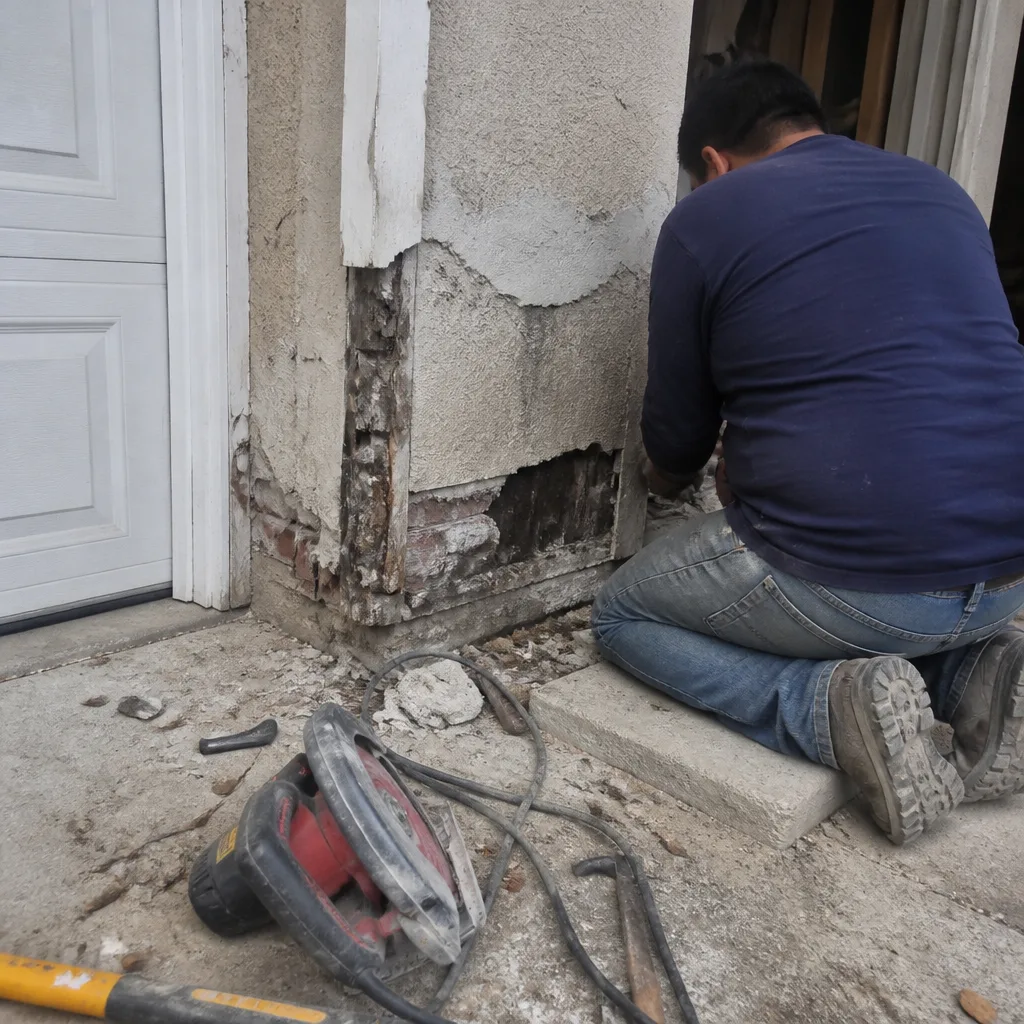 Before
 After
AfterReplacement Cost & What’s Included
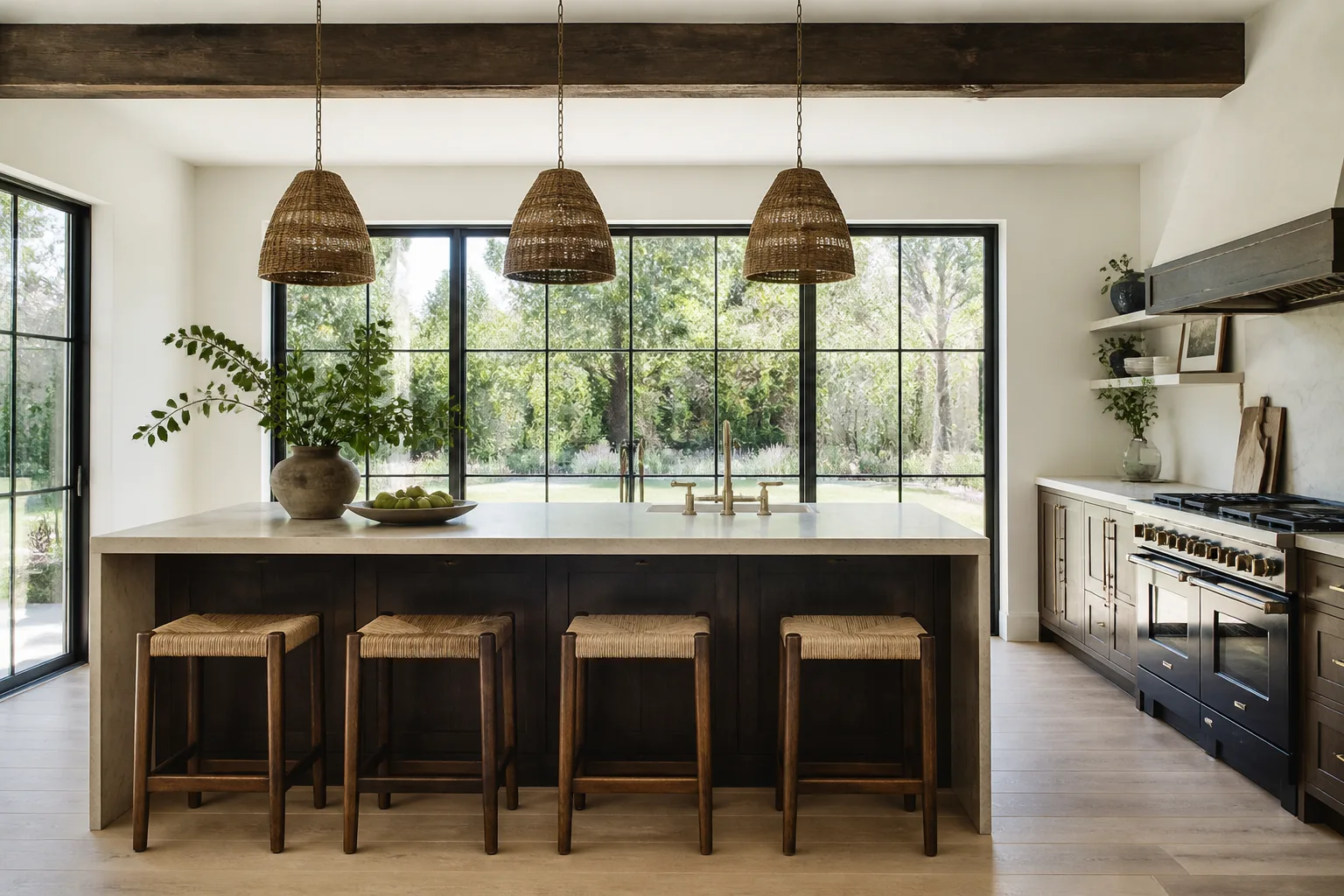
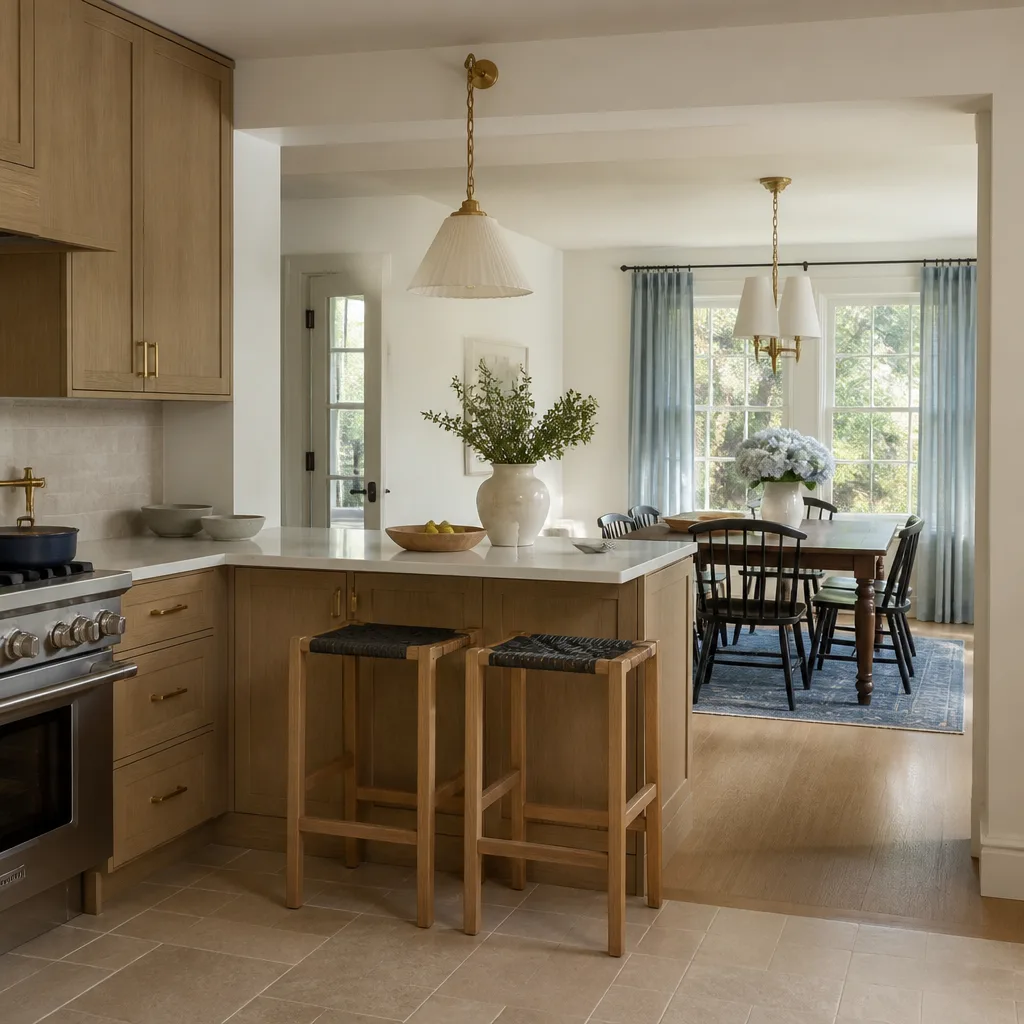
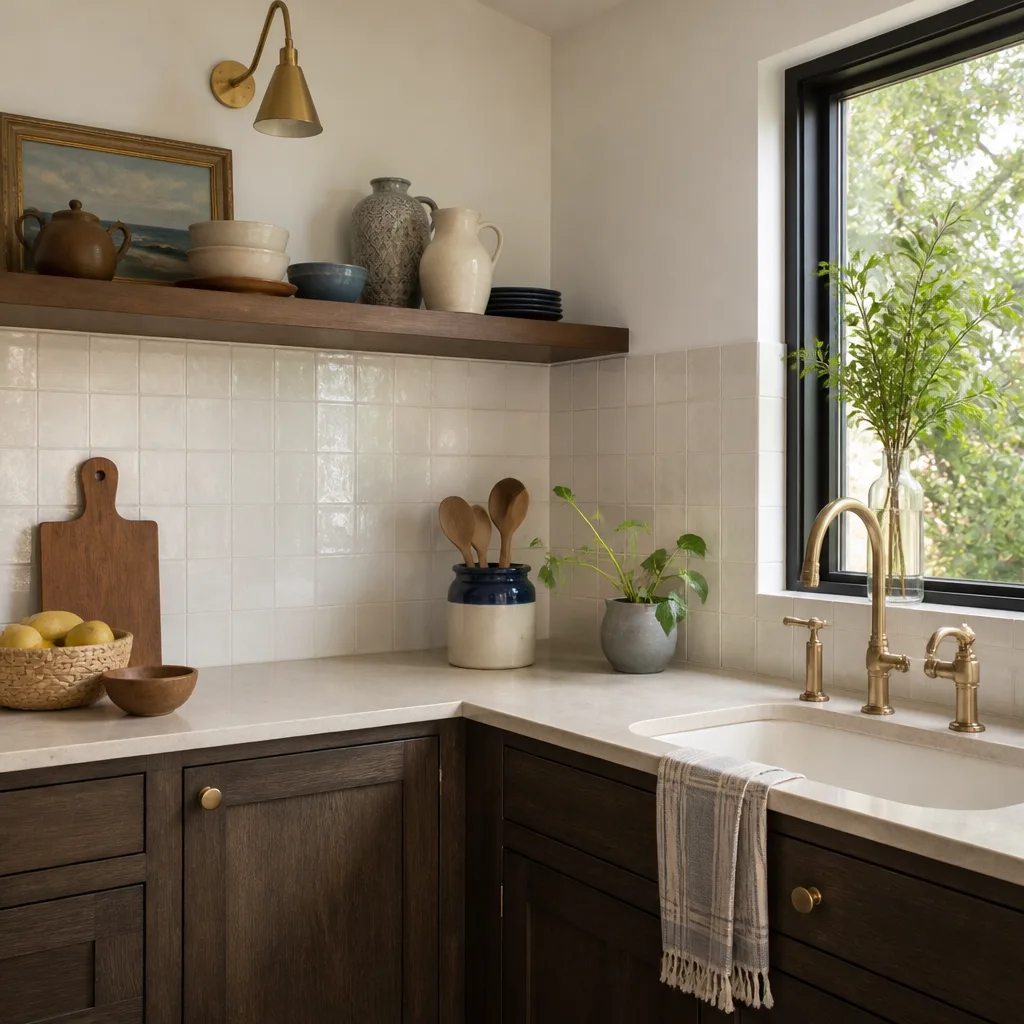
A full James Hardie kitchen remodel in West Covina runs $14,000 to $45,000, depending on square footage, the amount of tile work, and whether we’re redoing just the substrate or the whole kitchen. Partial repairs fall below that. Replacing a failed 4×8 sheet of HardieBacker behind a sink, including tile demo, re-boarding, waterproofing, and re-tile, usually lands between $2,500 and $6,000. A HardiePanel exterior kitchen wall replacement runs $5,000 to $12,000 when you factor in flashing, paint match, and waste disposal.
Here’s the line-item breakdown we give every West Covina customer:
- Demo of failed substrate and tile: $800 – $2,500
- New HardieBacker or HardiePanel material and fasteners: $400 – $1,200 per sheet installed
- Waterproofing membrane (Schluter Kerdi or RedGard): $600 – $1,800 per wet zone
- Tile and thinset (materials): $4 – $15 per square foot depending on your pick
- Labor for tile set and grout: $8 – $18 per square foot
- Cabinet modification (if the failure is behind a sink run): $1,000 – $4,000
Every estimate is a written price. That’s The Relay Standard. You approve the number before we touch a tool, and the invoice you pay at the end matches what you signed. If the number changes mid-project because we open a wall and find rotted framing, you see photos before we stick you with a change order, and you approve the extra in writing or we don’t do it. Every job carries our 365-Day Done Right Promise: if something we installed fails within a year, we come back and fix it. If the same repair fails twice, the second return visit is free. Good work shows. Bad work shows up later.
DIY or Call Us?
Here’s the honest split. You can safely handle the inspection part: looking for cracked grout, tapping tile to find hollow spots, checking under the sink for water staining, taking photos of the failed area. That saves us time and helps you understand what you’re dealing with. You should not try to replace HardieBacker behind a sink yourself unless you have experience with cement board cutting, thinset mixing, and waterproofing membranes. A bad seam will cost you a second tile job in a year. HardiePanel exterior work is a flat no for DIY. That’s structural siding, it requires proper flashing, and if you get the overlap wrong, water gets in and you’re looking at a $15,000 repair instead of a $5,000 one. Cutting cement board also produces silica dust. If you do any of this yourself, wear an N95, cut outdoors, and wet the board down first. Better call: call us at (341) 217-4204 and let Luca’s crew look at it. The estimate is free, and you’ll know the number before you decide anything.
FAQs
Properly installed HardieBacker behind a kitchen sink or countertop should last 25 to 35 years in West Covina’s climate. The failure point is almost always the seams and fasteners, not the board itself. If it’s installed with the right gap, taped with alkali-resistant mesh, and covered with a waterproof membrane in wet zones, it outlasts the tile on top of it.
Yes, in most cases. A failed seam or a small soft spot can be cut out, replaced with a new HardieBacker patch, re-taped, and re-waterproofed without redoing the entire kitchen. If the failure is widespread (multiple seams cracked, board delaminated across more than two sheets), you’re better off replacing the whole substrate. Call us at (341) 217-4204 for a free in-home assessment, and we’ll tell you honestly which side of that line you’re on.
A single HardieBacker sheet replacement behind a sink runs three to four days: day one for demo and board installation, day two for waterproofing and tile set, day three for grout and cleanup. A full kitchen remodel with James Hardie substrate runs two to six weeks depending on scope. We send photo updates before and after every stage, and you get a live arrival time the morning of each workday.
We stock 1/2″ HardieBacker 500, 1/4″ HardieBacker for floors, and HardieTrim boards in standard 5/4″ and 4/4″ profiles on our service trucks. HardiePanel sheets are ordered per job from our distributor in the San Gabriel Valley, usually two to three business days out. For partial repairs, we often can start the same week we inspect. Call (341) 217-4204 and we’ll check the truck schedule for you.
Written by Luca Romano, Owner, Sawyer Remodel West Covina at Sawyer Remodel West Covina, serving West Covina and nearby areas.