Free written scope consultation - allowances, timeline, and change-order rules on paper before a single trade is scheduled
James Hardie Home Additions & ADU: The West Covina Owner’s Guide
If you’re planning a home addition or ADU in West Covina and want James Hardie siding on it, plan on spending $45,000 to $130,000 for the full project depending on square footage, foundation work, and finish level. We frame additions, pull permits across West Covina, and install James Hardie plank and panel siding as part of the exterior package. Where homeowners get stuck is one specific part of the process: matching the right Hardie product spec to the addition’s wall assembly so the siding doesn’t fail in the first five years. That’s the part failure we’re talking about here. Not a broken board. A mismatch that shows up as wavy runs, nail pops, or water staining along the bottom course.
Most people discover the problem the same way. They add a room or convert a garage into an ADU, the siding goes up, and within a year or two they see corners pulling away or paint failing in a pattern that follows the studs. What they’re actually seeing is an installation and product-spec problem, not a James Hardie manufacturing issue. We fix this by tearing back the bad sections and reinstalling to Hardie’s published installation requirements. Call (341) 217-4204 if that sounds like your project.
Which James Hardie Models This Applies To
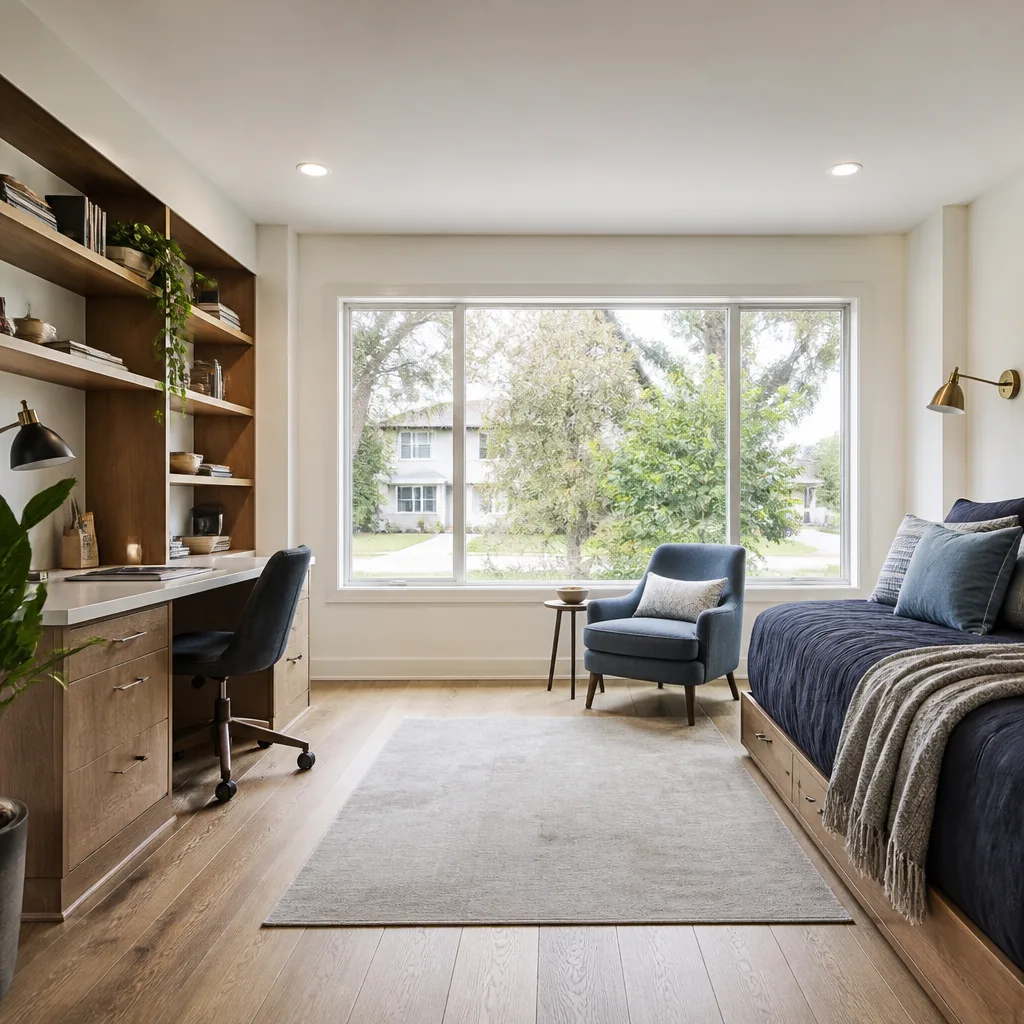
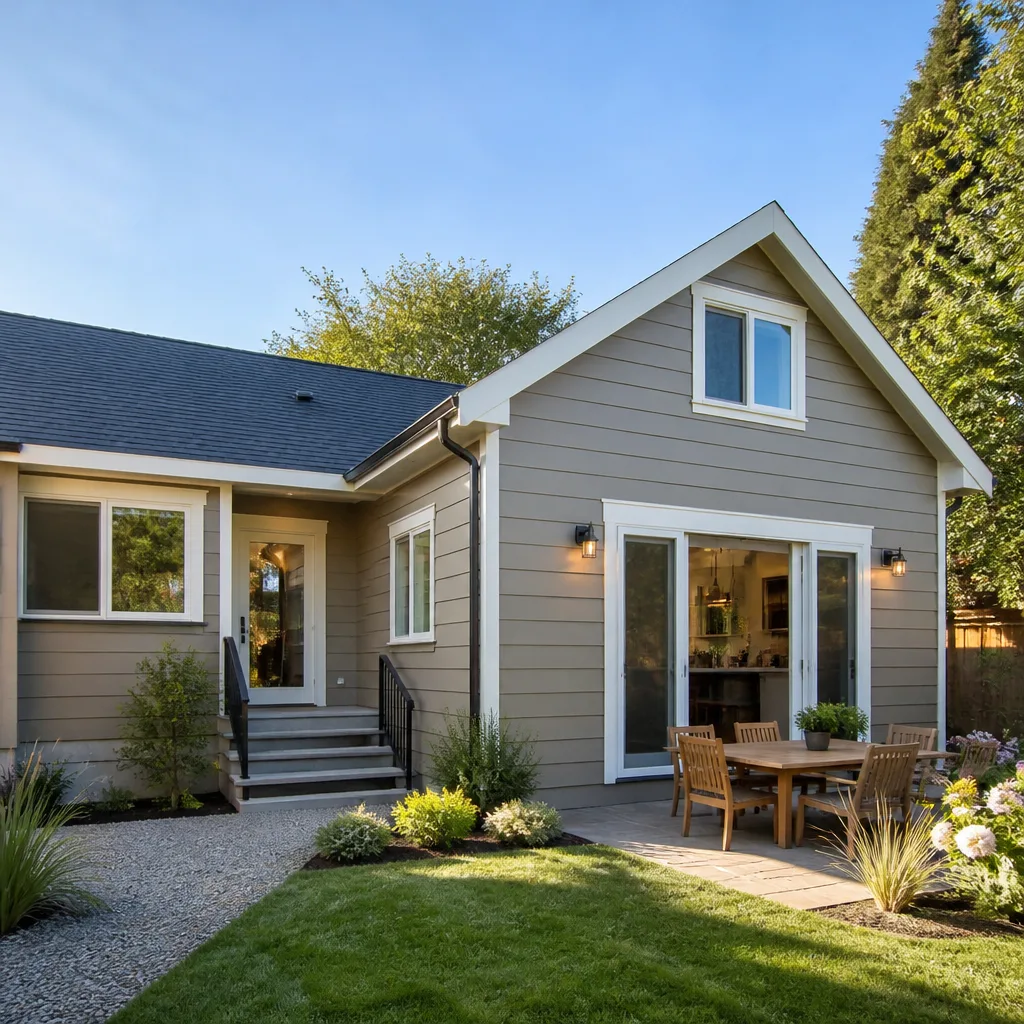
For additions and ADUs in West Covina, the products that matter are HardiePlank lap siding (5/16″ thickness, available in 4″, 6″, and 8″ exposures), HardiePanel vertical siding (4×8 and 4×10 sheets), and HardieTrim boards for corners and window surrounds. Each is a different part of the wall system, and each has a compatibility gotcha. HardiePlank lap requires a minimum 3/8″ nailable substrate behind it and cannot be face-nailed over open studs. HardiePanel can be nailed directly to studs, but only with the correct fastener schedule and flashing at every sheet joint. The most common failure we walk into on West Covina additions is HardiePlank face-nailed over an open stud bay with no sheathing. It looks fine on day one. It waves within 18 months.
On the OEM-versus-aftermarket decision: James Hardie doesn’t make trim fasteners, flashing, or joint treatment; they specify generic products that meet certain standards. For flashing we use metal or PVC starter strips that match Hardie’s specs. For fasteners, hot-dipped galvanized or stainless roofing nails. The siding itself should always be genuine Hardie. Aftermarket fiber cement exists, but the warranty and color consistency don’t transfer. Luca Romano has been installing Hardie products on West Covina projects long enough to tell you: buy the real board.
Styles & brands we work with
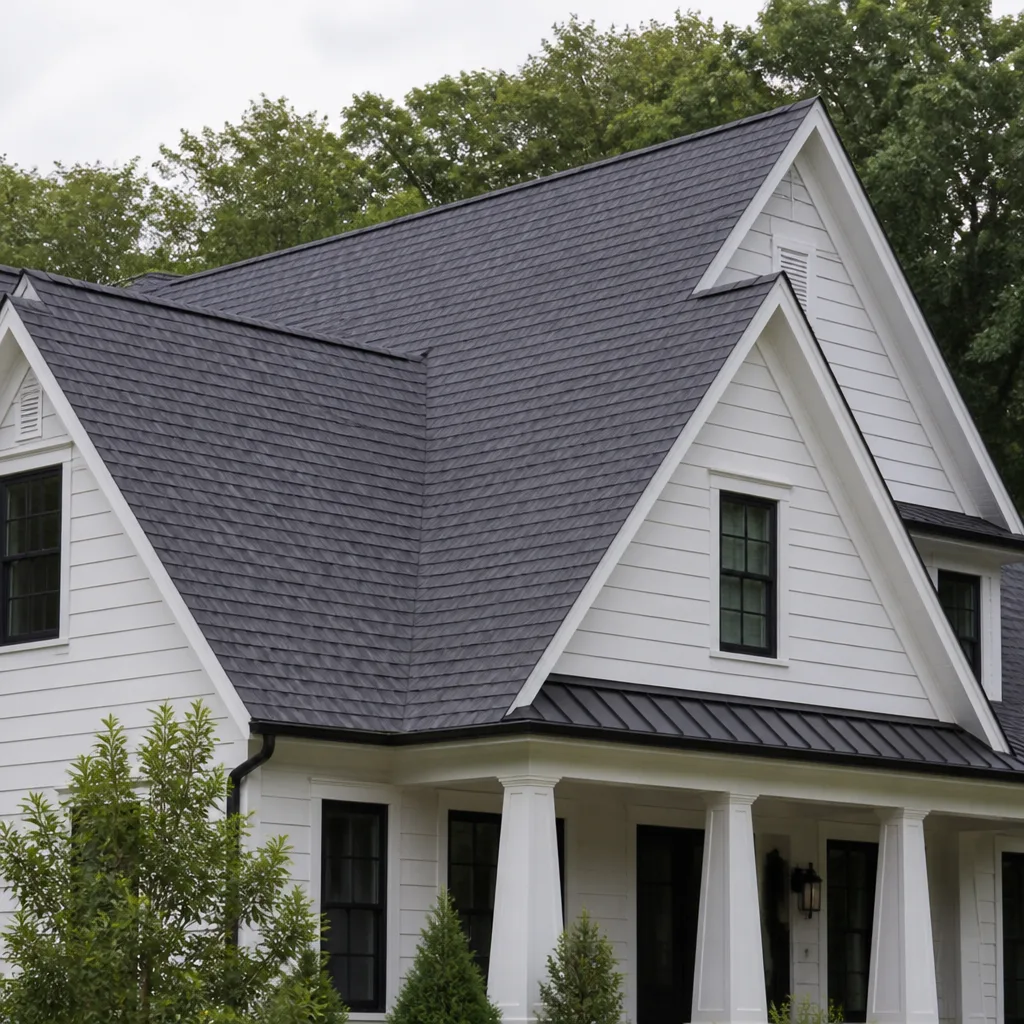
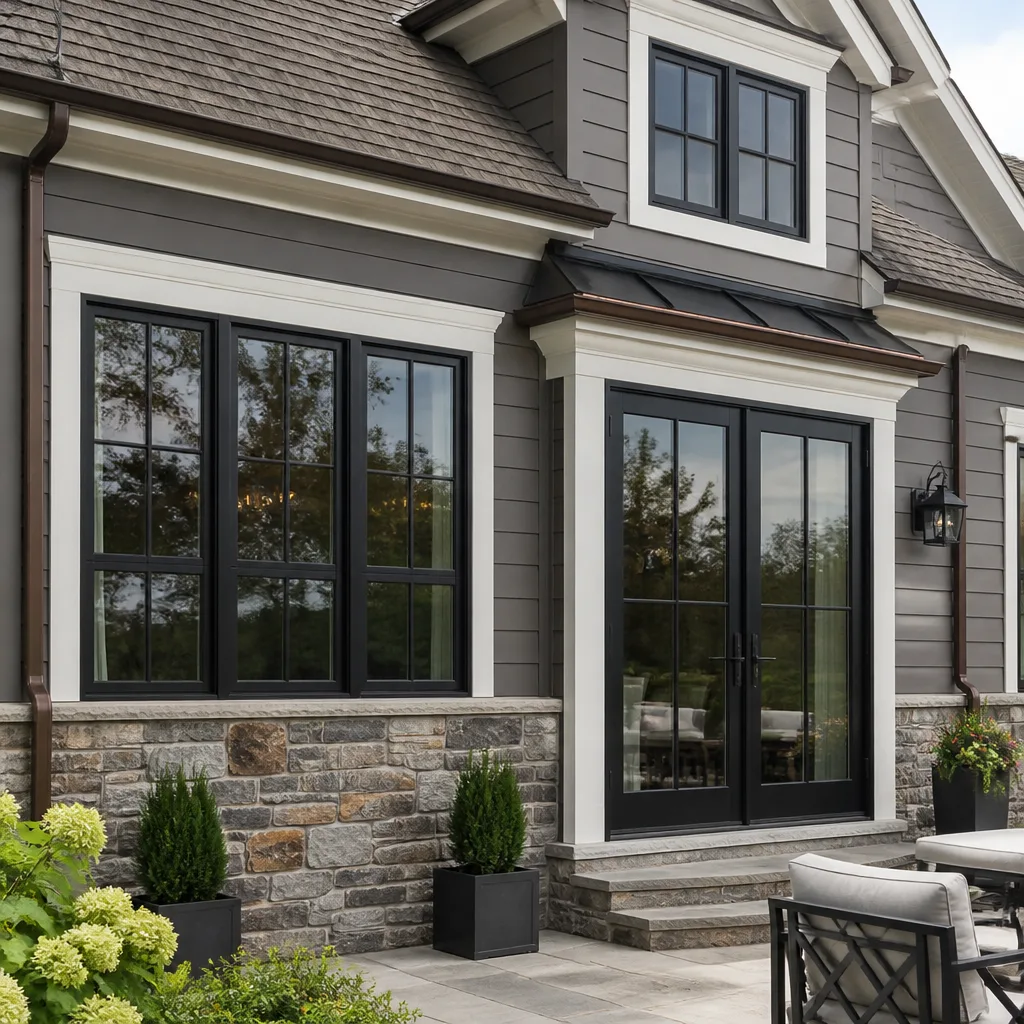
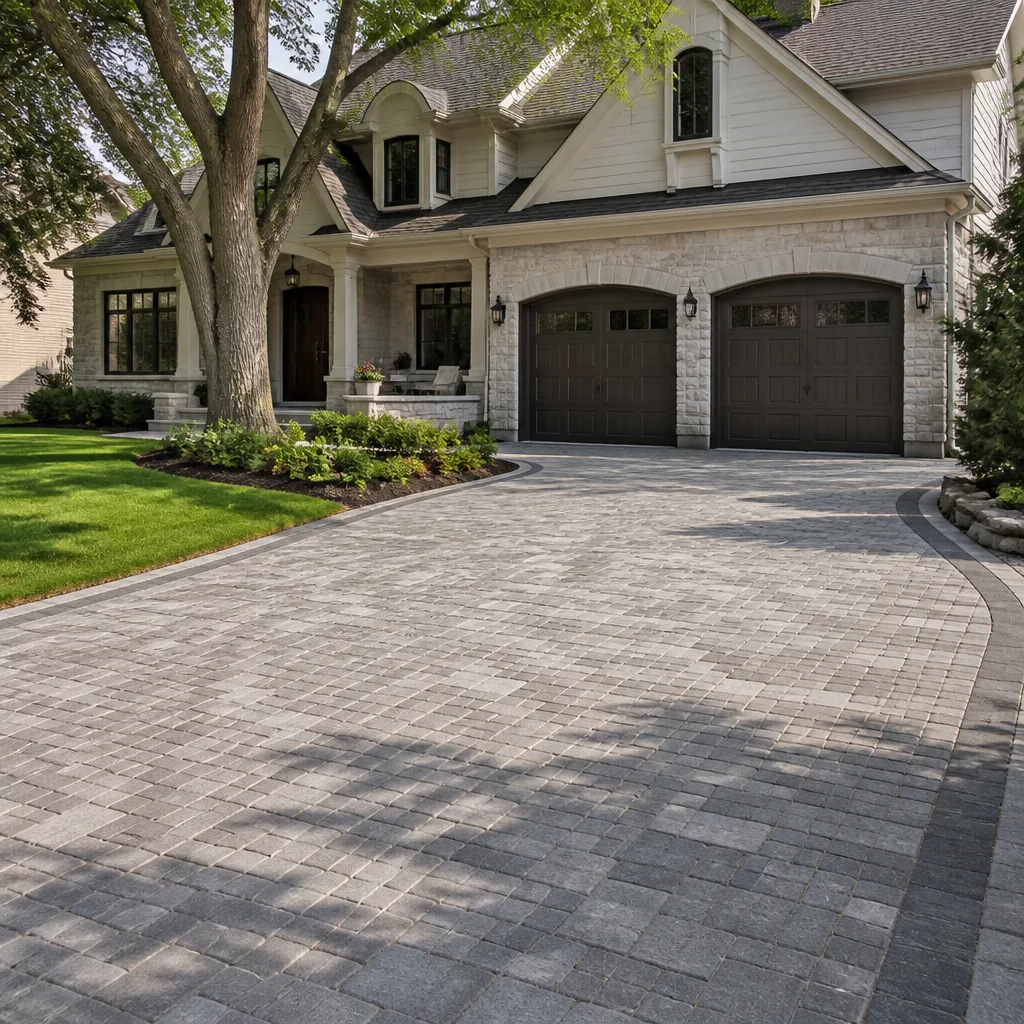
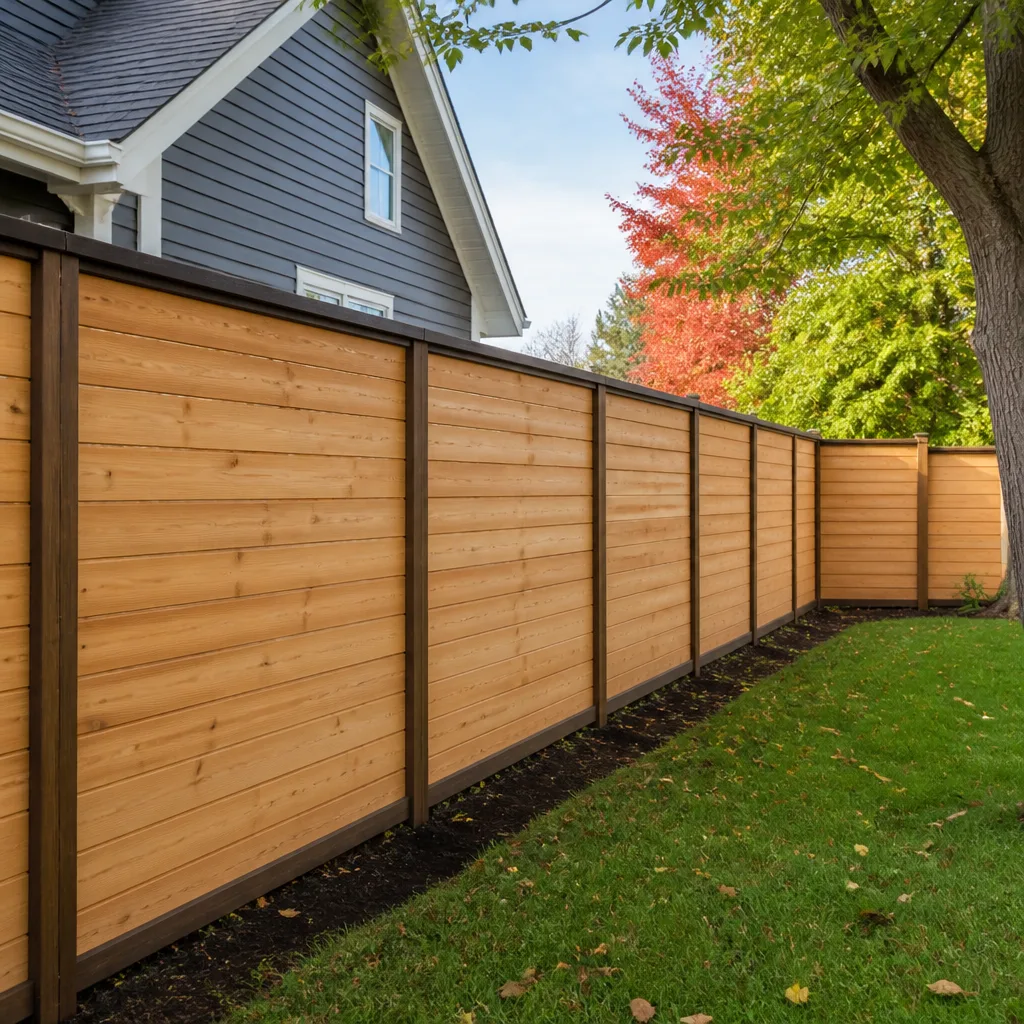
Signs Your James Hardie Home Additions & ADU Is Failing
Here’s what failure actually looks like on a West Covina addition or ADU. If you see any of these, the part is failing and should be looked at before the rainy season hits.
- Wavy or rippled lap siding along a wall. The underlying cause is almost always insufficient nailable substrate or wrong fastener spacing. In a home addition, this happens when a builder tried to save $800 on sheathing. The fix is tear-back and reinstall.
- Bottom course staining or efflorescence within three feet of grade. Hardie requires a minimum 6″ clearance between siding bottom and finished grade, and 1″ to 2″ over hardscape. West Covina’s clay-heavy soil holds water, so when a patio pour sits too high, splash-back wicks into the board.
- Nail pops showing as small bumps every 16 inches. That’s a moisture or substrate movement problem, not a siding problem. The nail loses bite, the board flexes. On an ADU built over a converted garage slab, this often traces back to a lack of a vapor barrier under the new floor.
- Corner trim separation or cracked caulk lines at the trim. HardieTrim requires a 1/8″ gap at every joint and proper back-flashing. When it’s butted tight and caulked, the boards expand in West Covina’s summer heat and push the trim loose.
- Paint failing in a vertical stripe pattern that follows stud lines. Thermal bridging. No exterior insulation or house wrap, and the stud bays transfer heat straight through. This is less about James Hardie and more about the wall assembly under it.
See the difference
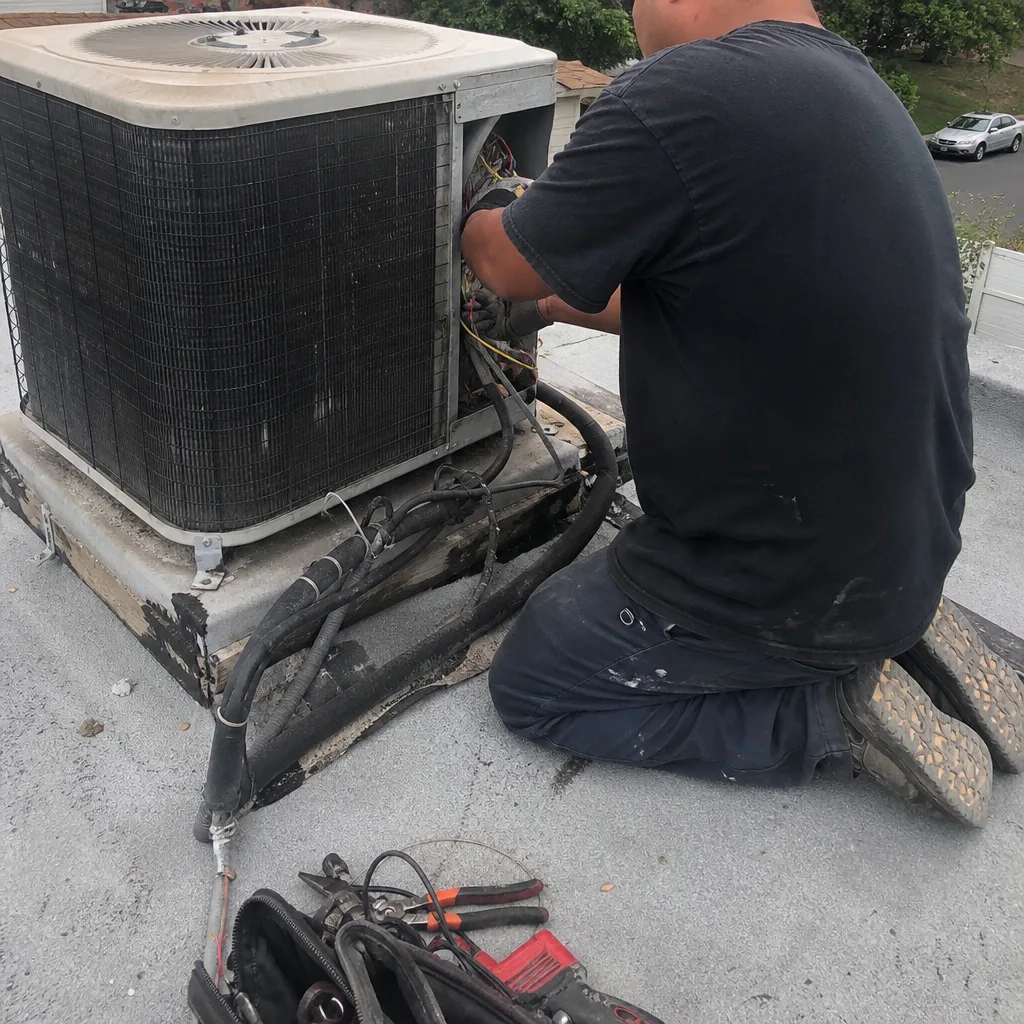 Before
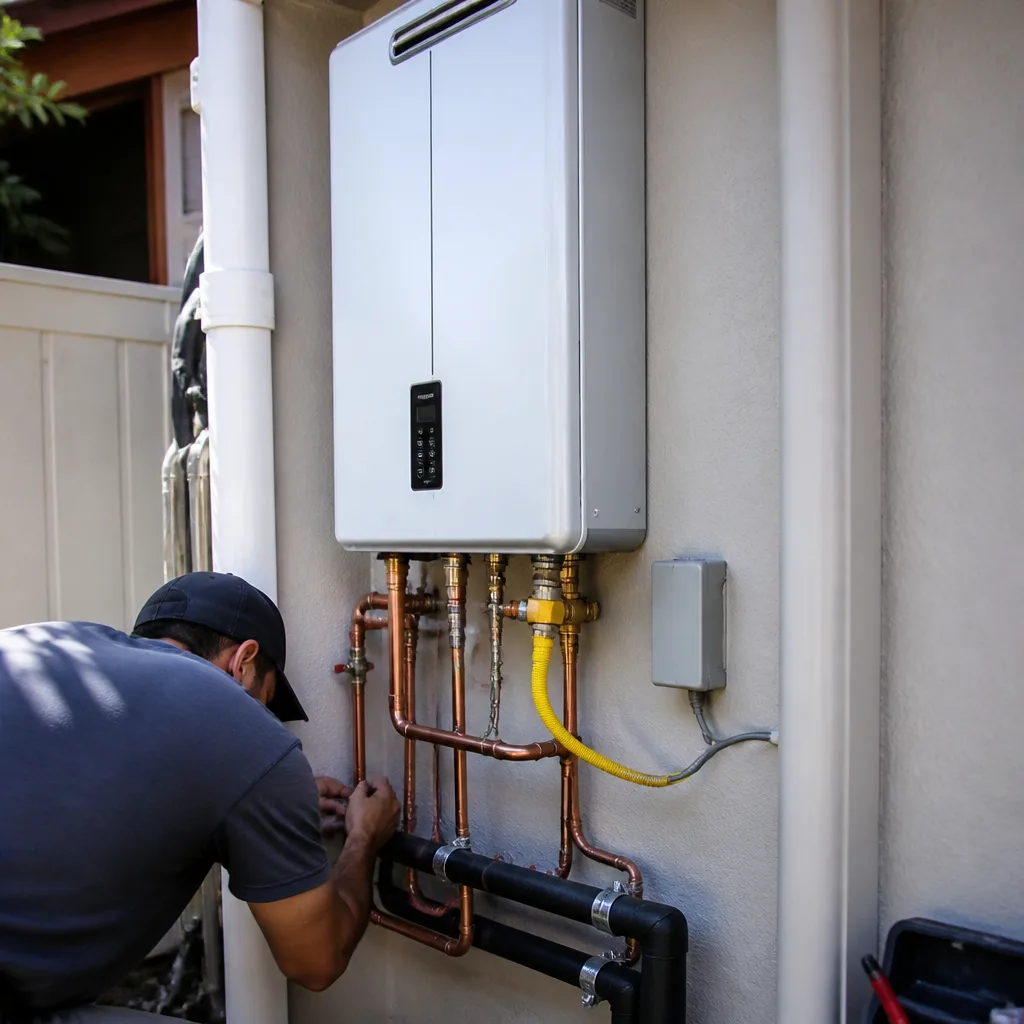 After
After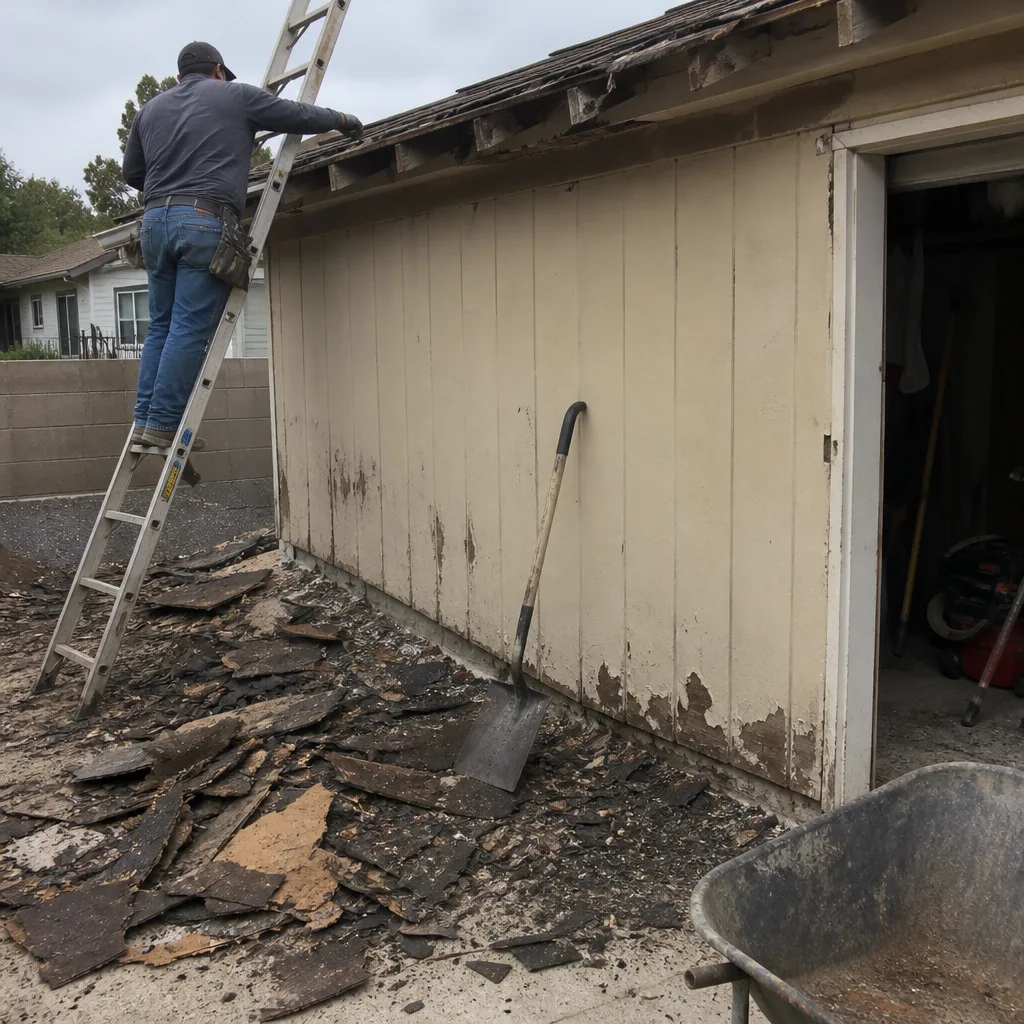 Before
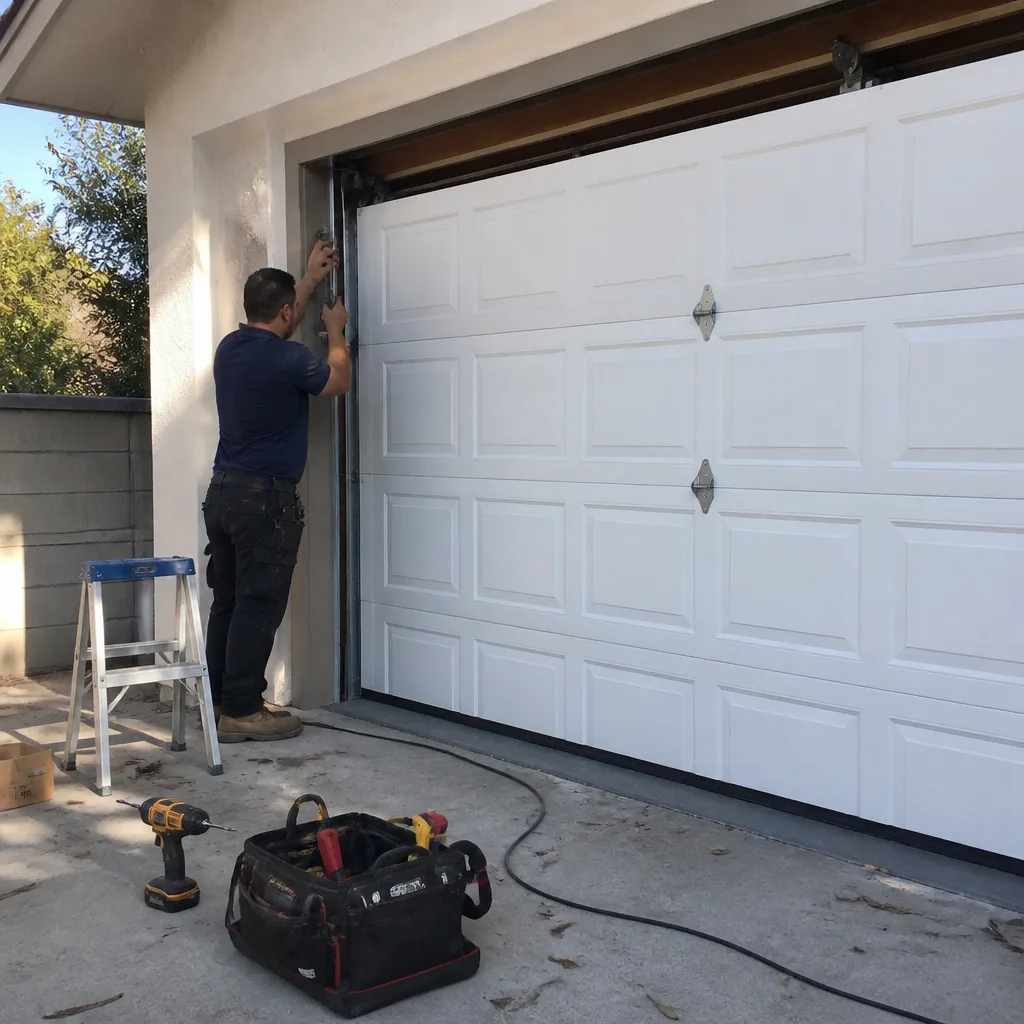 After
After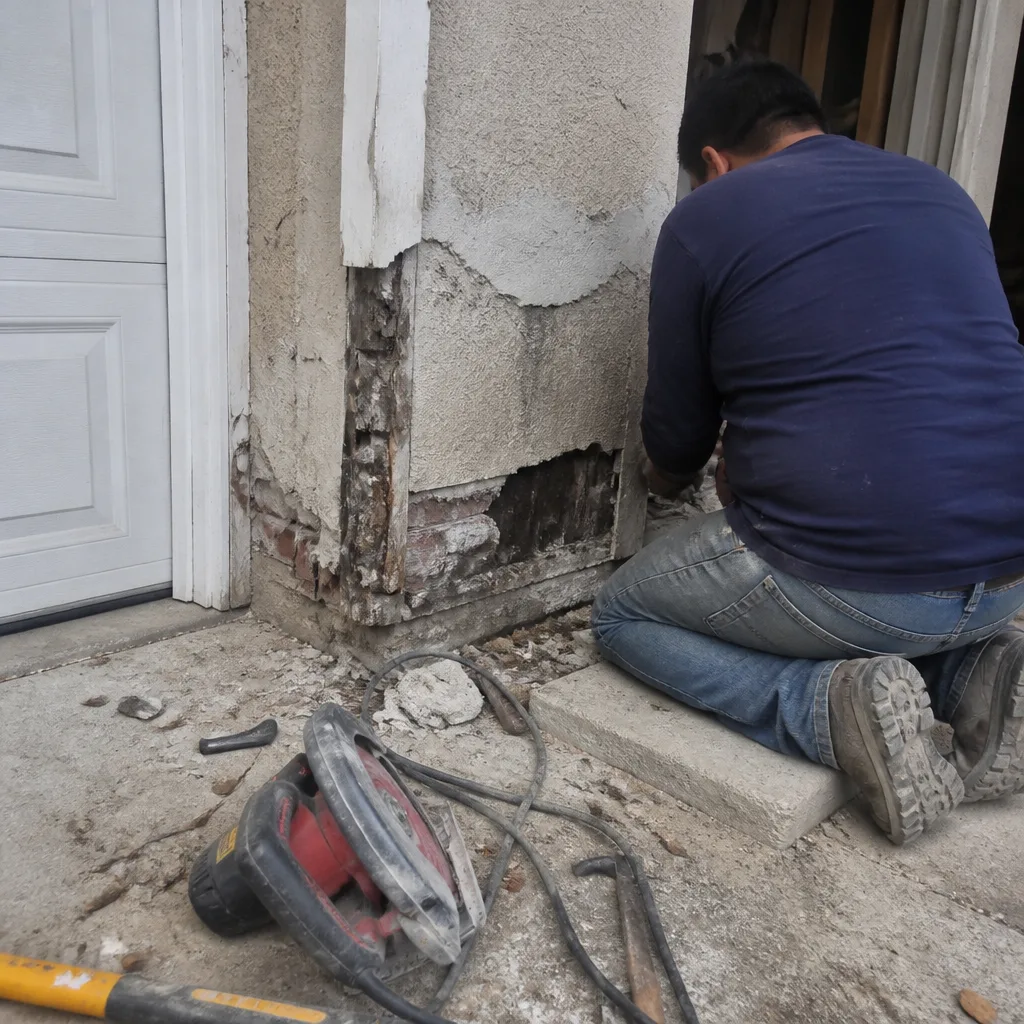 Before
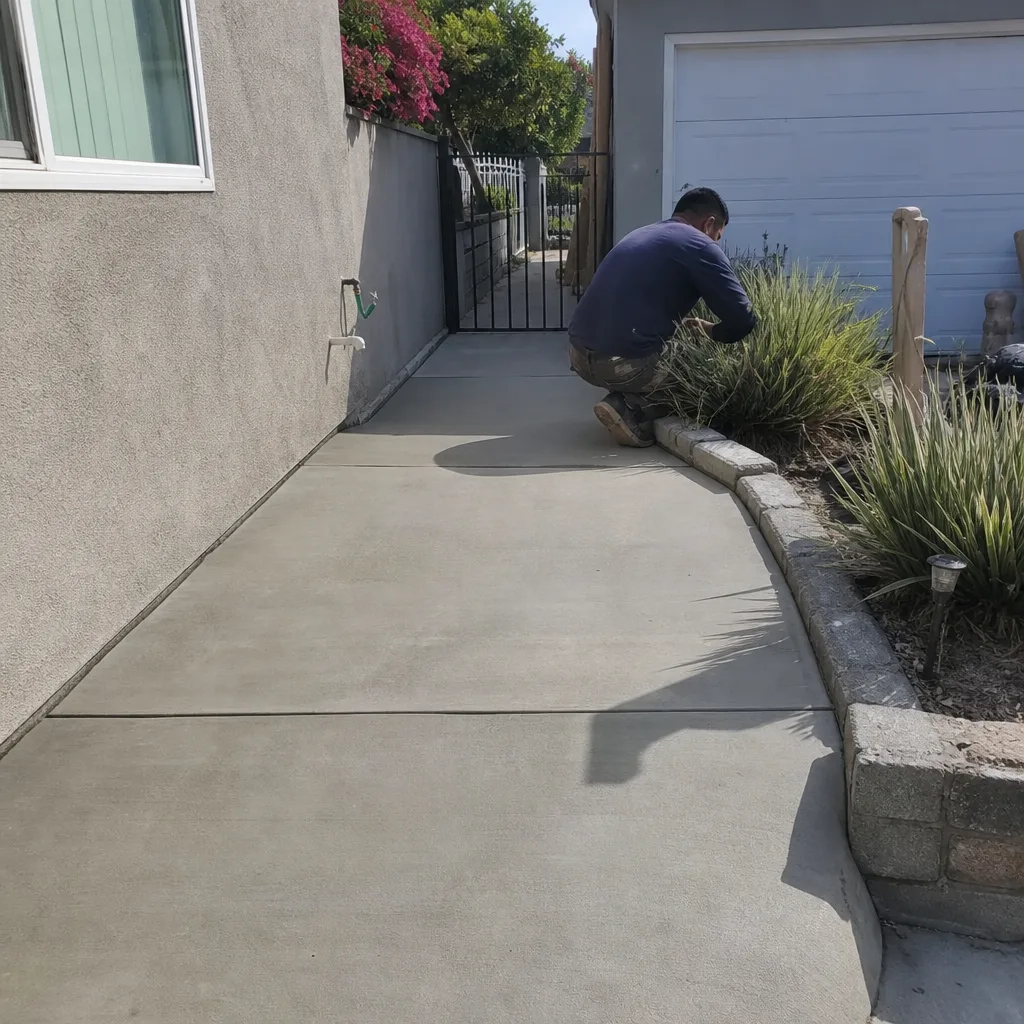 After
AfterReplacement Cost & What’s Included
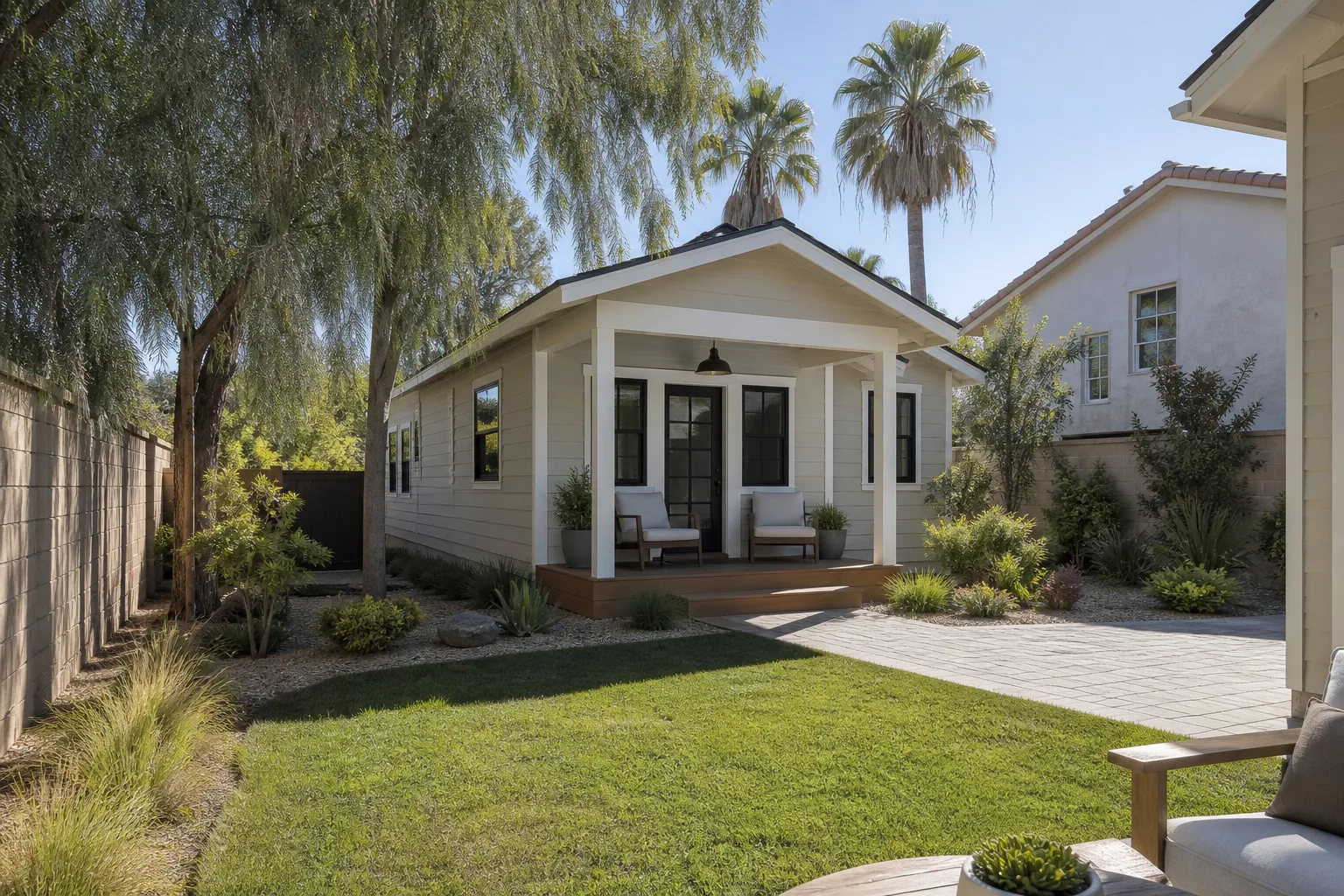
Let’s talk numbers for West Covina specifically. A full addition or ADU with James Hardie siding runs $45,000 to $130,000. If the siding itself is the only part failing and you’re not rebuilding the room, a tear-off and re-side on a typical 400-square-foot ADU runs $8,000 to $18,000 depending on access, height, and whether we’re replacing sheathing too. That’s a different project from the full build, and we quote them separately.
Every number we hand you is a written price before any work starts. That’s the whole point of how we run jobs. What’s included: demolition and disposal of the failed siding, inspection of the sheathing and moisture barrier underneath, replacement of anything rotted, new flashing at all penetrations, James Hardie product matched to the original or upgraded if we find the wrong spec was used, and paint-matched finish. We warranty the re-side for one year under our 365-Day Done Right Promise. If it’s not done right, we make it right. No change orders, no surprise line items. Call (341) 217-4204 for an exact quote, free.
DIY or Call Us?
Here’s the honest split. You can inspect your own siding. Walk the perimeter with a flashlight, look for the signs above, check the bottom-course clearance to grade, and pull up any records you have on what product was installed. What you shouldn’t do is tear off fiber cement and reinstall it yourself. Fiber cement requires specific blade types, dust control (silica), and flashing details that aren’t intuitive. Get it wrong and you’ve voided the James Hardie warranty and created a water intrusion path into your new addition. That’s a $2,000 mistake to fix a $400 problem.
If you already know the siding isn’t right, call (341) 217-4204. We’ll come look, tell you what failed and why, and put the fix in writing. Good work shows. Bad work shows up later.
FAQs
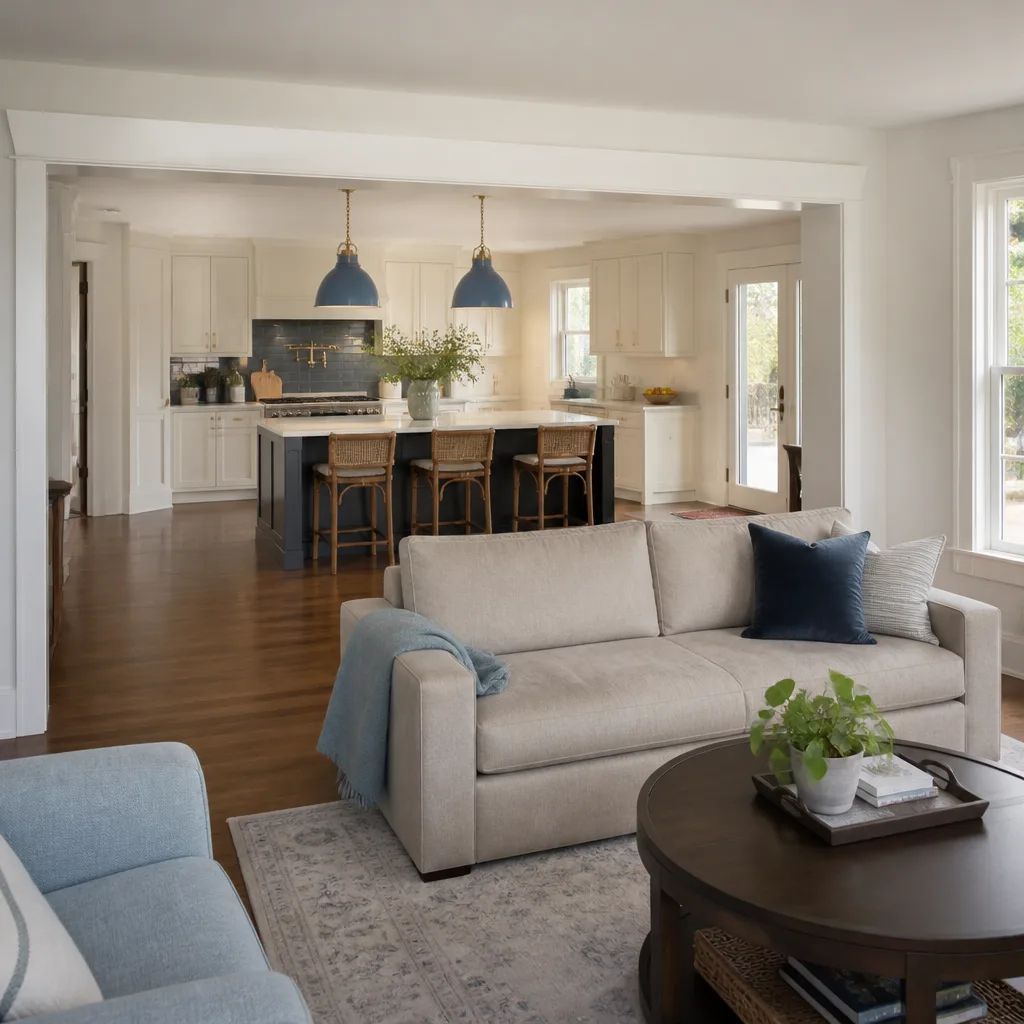
James Hardie siding carries a 30-year limited non-prorated warranty on the product, and in West Covina’s climate you can realistically expect 30 to 40 years from properly installed plank. The failure you’re dealing with isn’t the product aging out; it’s an installation or substrate problem that shows up in the first five years. If it’s failing that early, something was done wrong underneath. Call (341) 217-4204 and we’ll tell you exactly what. Estimates are free.
Yes, in most cases we can cut out and replace individual boards or a single panel run without re-siding the whole addition. The catch is matching the product line and exposure, and color-matching the paint. We’ve done many section repairs on West Covina ADUs where only one elevation was failing. If the underlying substrate is bad, the repair gets bigger, but we’ll tell you that before touching anything. Call (341) 217-4204 for a straight answer.
A single-elevation repair on a West Covina ADU typically takes 1 to 2 days. A full tear-off and re-side of a 400-square-foot addition runs 3 to 5 working days, depending on the sheathing condition and weather. We schedule a fixed start date and send live arrival time before the crew shows up, because nobody should burn a day waiting on a four-hour window. Call (341) 217-4204 to check current scheduling.
We keep the common 6″ and 8″ HardiePlank exposures, 4×8 HardiePanel, plus trim boards and flashing on the truck for West Covina jobs. If we need a specialty exposure or a color that’s not common, our supplier here in the San Gabriel Valley has it in a day. We also stock compatible products for other brands we work with, including KraftMaid, Cambria, and Silestone. Call (341) 217-4204 with your product line and we’ll confirm availability.
Written by Luca Romano, Owner, Sawyer Remodel West Covina at Sawyer Remodel West Covina, serving West Covina and nearby areas.