





Free written scope consultation - allowances, timeline, and change-order rules on paper before a single trade is scheduled
Plant Prefab Roofing: The West Covina Owner’s Guide
Plant Prefab roofing in West Covina typically runs $400 – $1,800 to repair and $8,000 – $20,000 for a full replacement, and we stock the common parts on our trucks. Most Plant Prefab owners call us after noticing a water stain on the ceiling or a visible seam opening on the roof membrane, and they want to know two things: is this a patch job or a re-roof, and how soon can we get there. The honest answer depends on which panel system your home uses and how long the failure has been letting water through.
Plant Prefab builds homes with panelized roof assemblies, which means the roof is manufactured in sections and crane-set on site. The seams between those panels are engineered to handle expansion and contraction, but Southern California heat cycles and the occasional heavy winter rain in the San Gabriel Valley test every joint. When a panel seam fails, it rarely shows up as a dramatic leak. It starts as a damp spot, a musty smell in the attic, or a small bubble in the ceiling paint. By the time you see it, water has usually been working its way through for weeks.
Which Plant Prefab Models This Applies To

Plant Prefab’s residential line includes the LivingHome series, and the roofing details vary by model and year. Some LivingHomes use a flat or low-slope roof assembly with a TPO or PVC membrane over the panelized decking. Others, particularly the larger custom and multi-story models, use a more traditional sloped roof with standing-seam metal or architectural shingles over the same panelized framing. Knowing which one you have matters before anyone orders parts.
Here’s the compatibility gotcha we see regularly in West Covina: Plant Prefab orders change specs between production runs, and a panel built in 2019 is not always dimensionally identical to one built in 2021 for a different site. The roof panel itself carries a label on the interior side of the assembly, usually visible from the attic or the top plate. It will list the panel number, manufacture date, and sometimes the membrane manufacturer for the roof system. Take a photo of that label before you call anyone. It saves a full round of diagnostic time.
On the OEM versus aftermarket question: Plant Prefab does not sell direct to homeowners for repair parts, and their listed specifications are the performance target, not a requirement for every single component. For membrane patches and replacement membrane sections, we use GAF, CertainTeed, and Owens Corning products that meet or exceed the original spec. For panel-to-panel fastening and flashing, the aftermarket options from Sika and similar commercial roofing suppliers are what we stock and what we trust. The original installer’s parts are not magic; the installation and the preparation are what make the repair last.
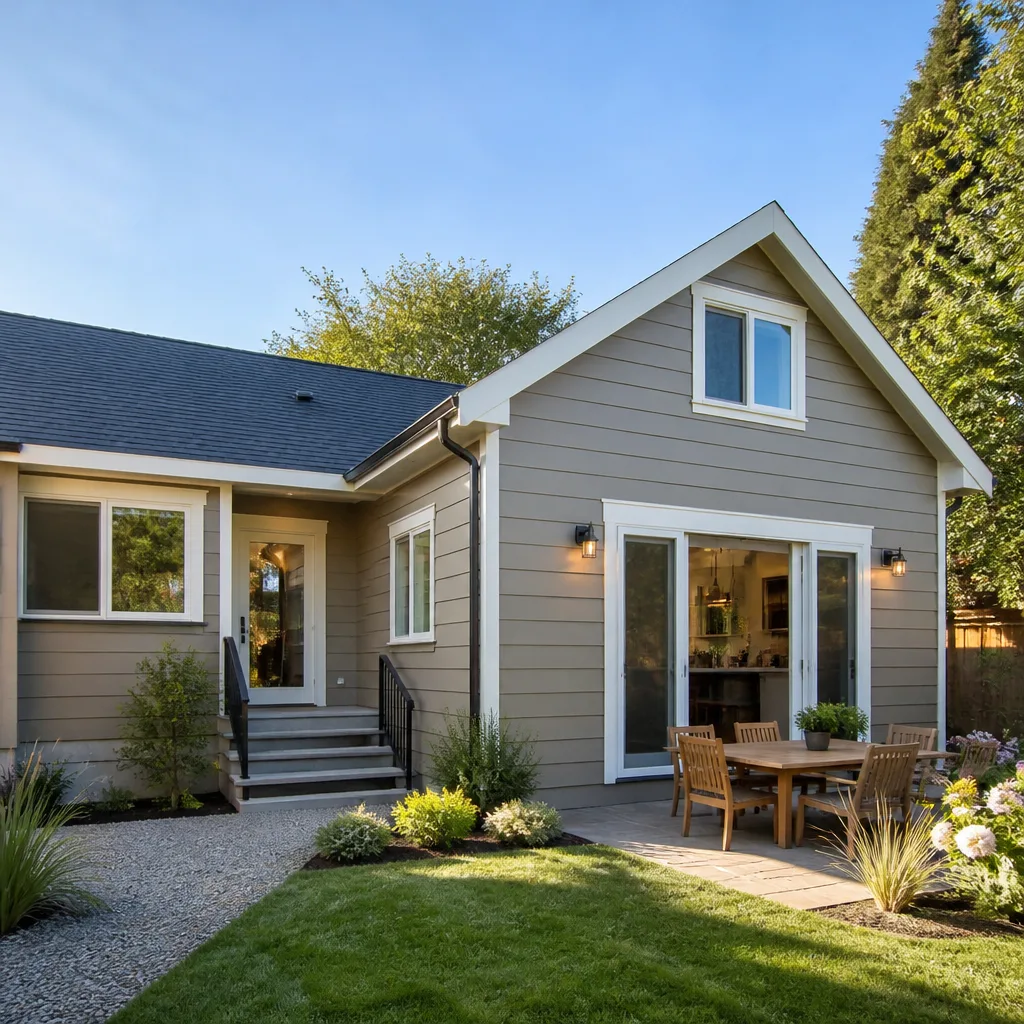
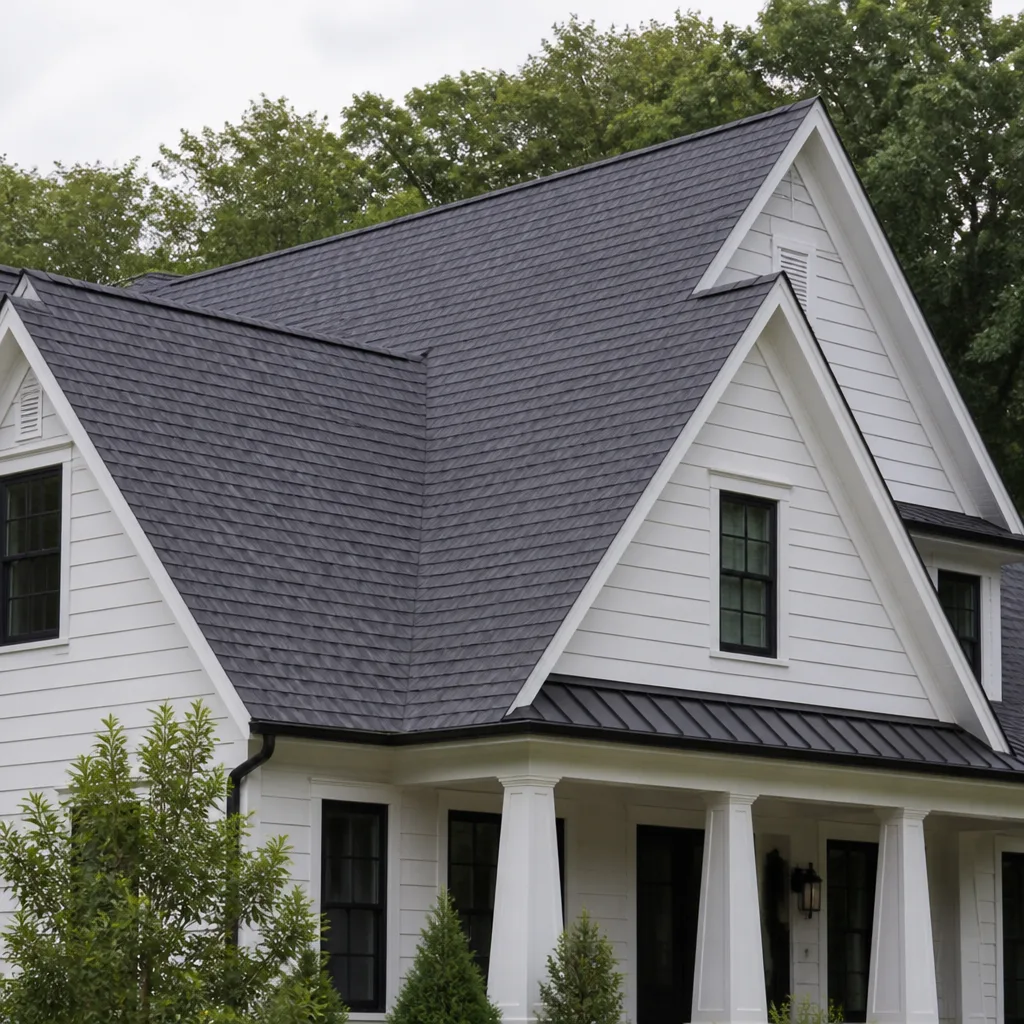
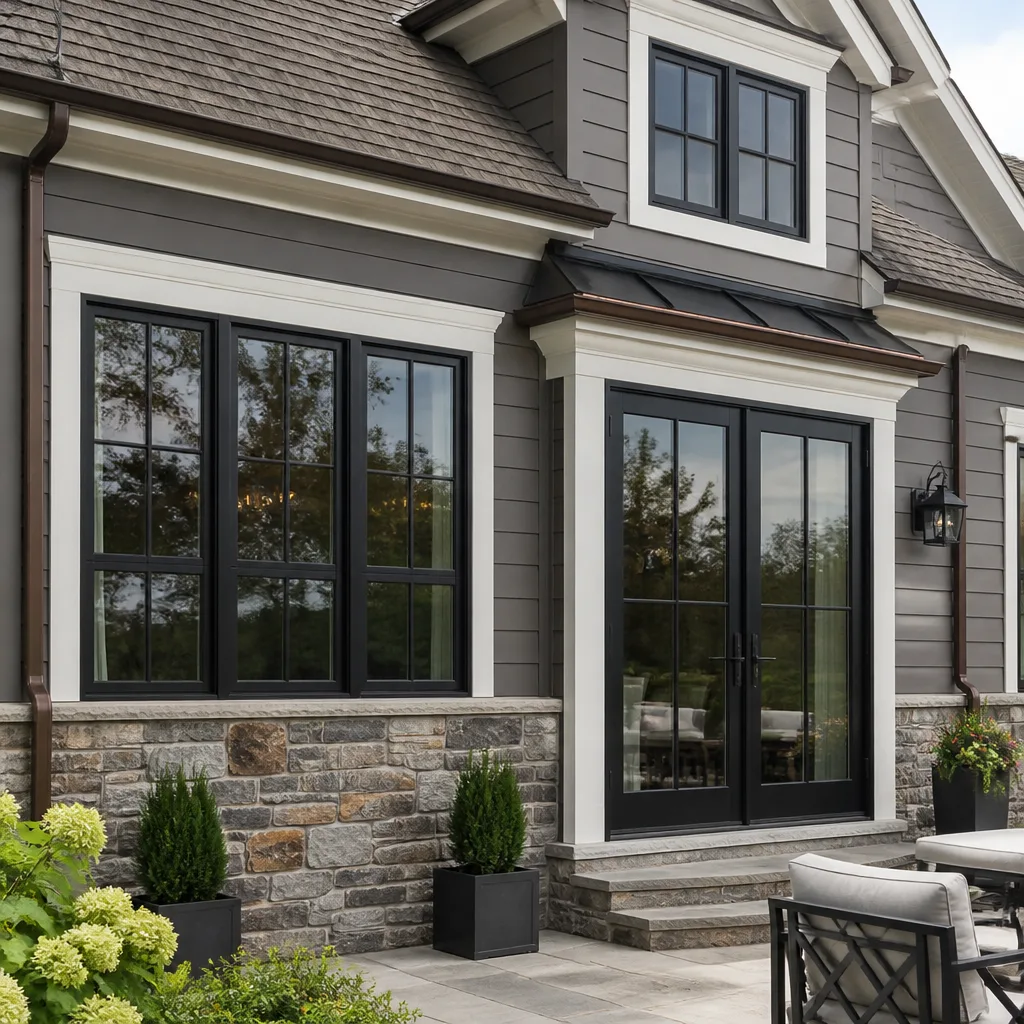
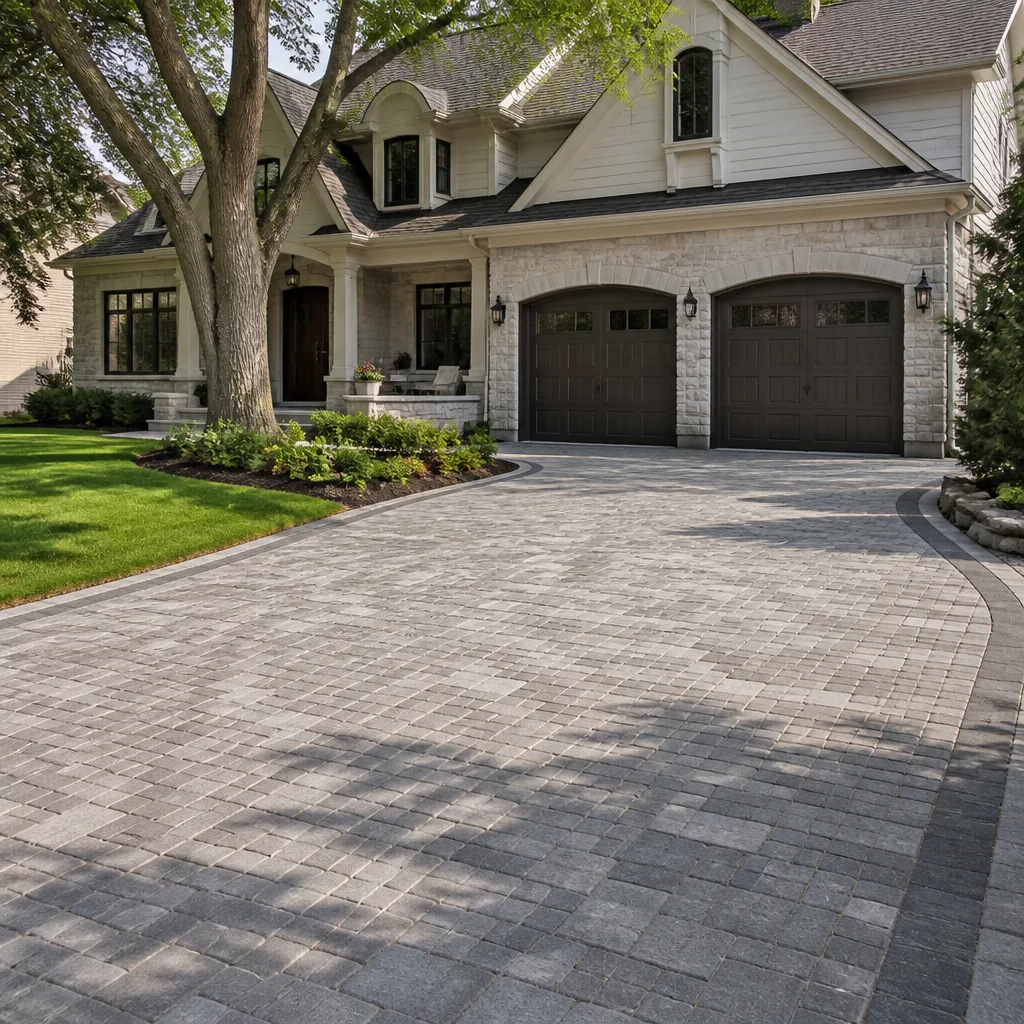
Styles & brands we work with
Signs Your Plant Prefab Roofing Is Failing
- Water staining on the ceiling near a wall or partition. Plant Prefab panel seams often align with interior partition walls, so a seam failure shows up as a discolored line or spot near where a wall meets the ceiling. This is not a plumbing leak if it only appears after rain.
- Bubbling or blisters in the roof membrane. Heat in West Covina summers pushes trapped moisture to expand under the membrane. Blisters mean water is already between the membrane and the panel deck, and they will eventually split open.
- Lifting or curling at panel edge flashing. The metal flashing where two roof panels meet can pull away as the building settles and the panels flex. When you can see daylight or a gap at the flashing from a ladder, water has a direct path in.
- Musty smell in the attic with no visible leak. Plant Prefab roofs hide moisture inside the panelized assembly before it ever reaches drywall. A persistent attic smell after rain is often the first sign, and it means the failure is further along than you’d hope.
- Visible cracking or alligatoring on a flat roof membrane. UV exposure breaks down TPO and PVC over time. Once the surface is cracked in a web pattern, the membrane’s waterproofing is compromised across a wide area, not just at the seams.
See the difference
 Before
 After
After Before
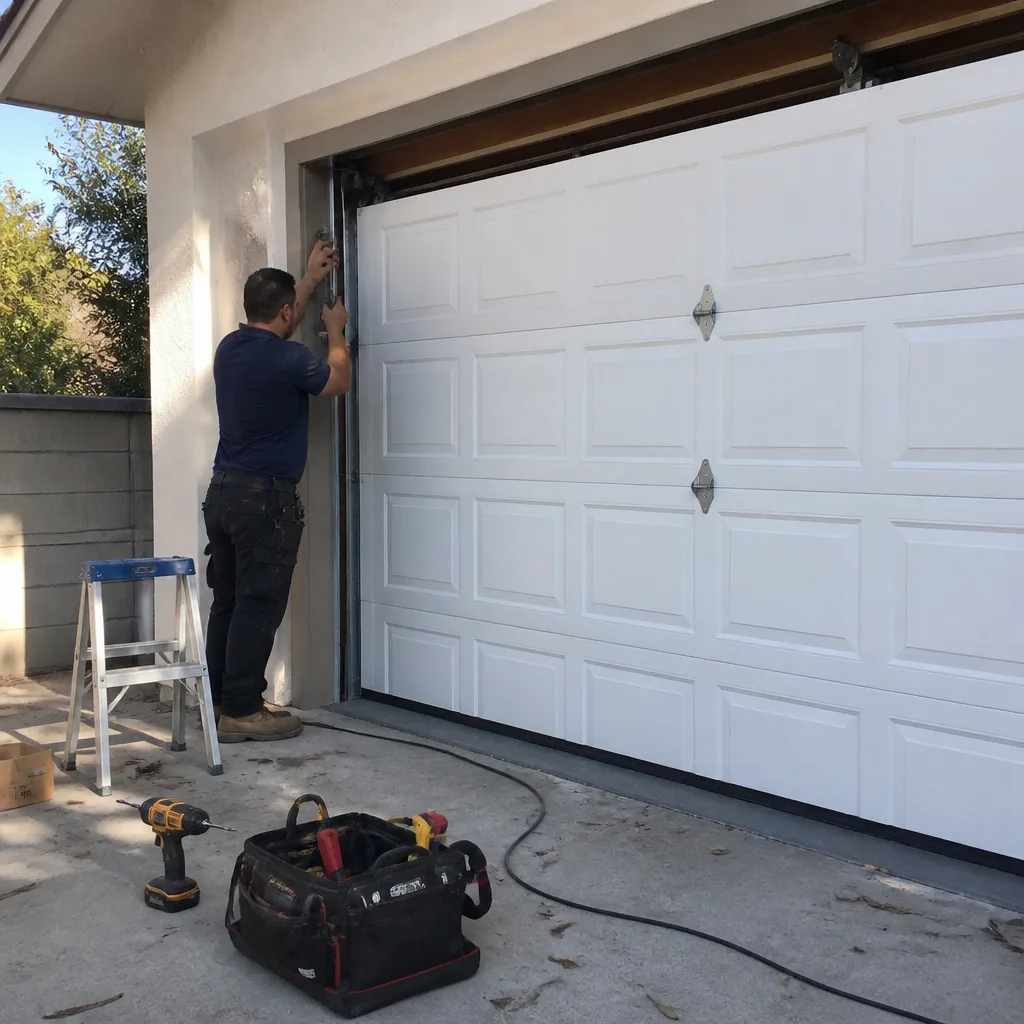 After
After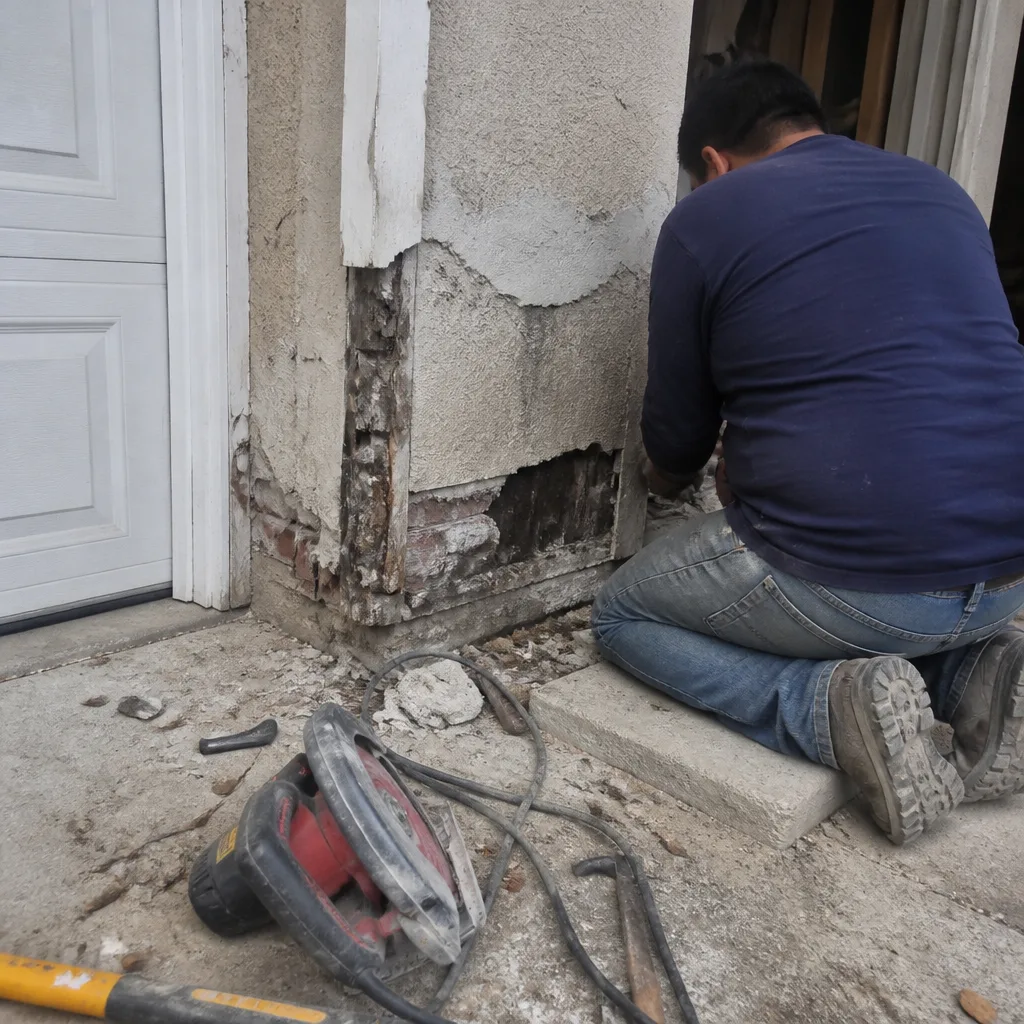 Before
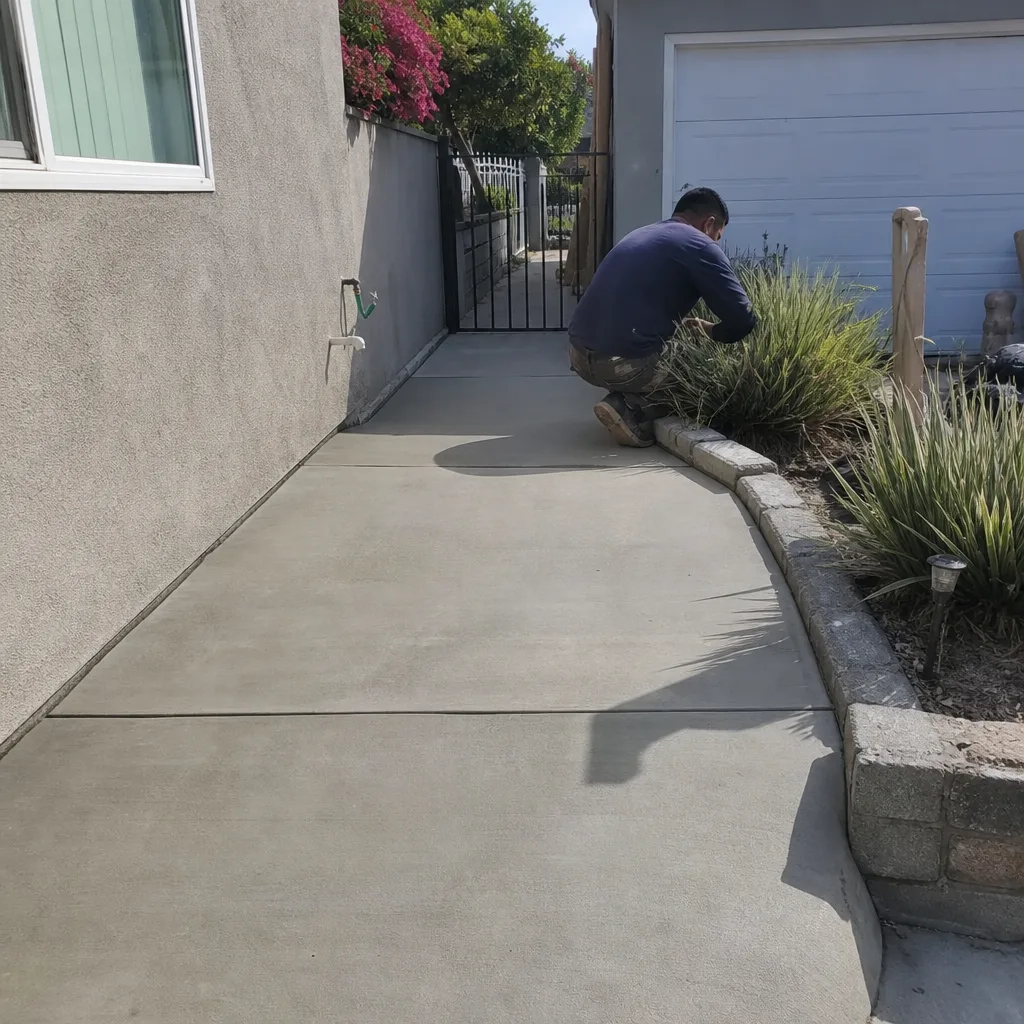 After
AfterReplacement Cost & What’s Included

For West Covina homeowners, Plant Prefab roof repairs run $400 – $1,800 depending on whether we’re replacing a section of membrane, re-flashing a panel seam, or addressing water damage under the panel deck. A full re-roof of a Plant Prefab home runs $8,000 – $20,000, and the spread comes down to roof square footage, membrane type, and whether the underlying panels need remedial work before the new roof goes on.
Every quote we write for Plant Prefab roofing includes parts, labor, disposal, and the permit if the job requires one. We hand you a written price before work starts, and the number on the invoice matches the number you approved. No change orders for “unforeseen conditions” that we should have caught during inspection. The work is covered by our 365-Day Done Right Promise, and our written guarantee on every repair is included, not something you ask for. Luca Romano has been pulling permits and finishing jobs across West Covina for years, including projects near South Hills that needed careful work in tight footprints, so we know how to handle panelized construction without making a small repair into a big project.
DIY or Call Us?
If your Plant Prefab roof is sloped and you want to check the condition of shingles or standing-seam panels from the ground with binoculars, that’s safe and useful. If you have a flat or low-slope membrane roof, you can look for visible blisters and cracking from a ladder resting on a solid surface, but do not walk on the membrane. Walking on a failing TPO or PVC roof makes the damage worse and puts you at risk of going through a soft spot.
What you should not do is open a panel seam, peel back membrane, or attempt any repair that requires fastening into the panelized deck. The panel assembly is structural, and the waterproofing details at seams and penetrations are the kind of thing that looks simple and fails spectacularly when done wrong. Good work shows. Bad work shows up later. If you’re seeing any of the failure signs above, call us at (341) 217-4204 and we’ll give you an honest read on whether it’s a repair or a replacement.
FAQs

A properly installed Plant Prefab membrane roof lasts 20 – 30 years in our climate, but the panel seams and flashings typically need service at the 10 – 15 year mark. UV exposure and thermal movement in the San Gabriel Valley break down sealants and adhesives faster than the membrane itself. Call (341) 217-4204 and we’ll inspect yours and tell you where it stands.
Yes, if the failure is localized to a seam, flashing, or a small membrane section, a targeted repair is the right move and usually runs $400 – $1,800. If the membrane is cracked across a wide area or the panel deck has absorbed water, a full replacement becomes the honest recommendation. We’ll show you photos of what we found before we recommend anything.
Most seam repairs and membrane patches are completed in a single day once parts are on site, and we stock the common Plant Prefab-compatible materials on our trucks. Larger membrane replacements over multiple panels take two to four days depending on weather and square footage. You’ll get a written timeline with your quote.
We stock membrane, flashing, sealant, and fasteners that meet Plant Prefab’s specifications, and we handle the sourcing for anything outside our standard inventory. You never have to chase down parts yourself, and you’ll see the parts cost as a line item on your written estimate. Call (341) 217-4204 for a free estimate.
Written by Luca Romano, Owner, Sawyer Remodel West Covina at Sawyer Remodel West Covina, serving West Covina and nearby areas.