






Free written scope consultation - allowances, timeline, and change-order rules on paper before a single trade is scheduled
Quikrete Fence Installation: The West Covina Owner’s Guide
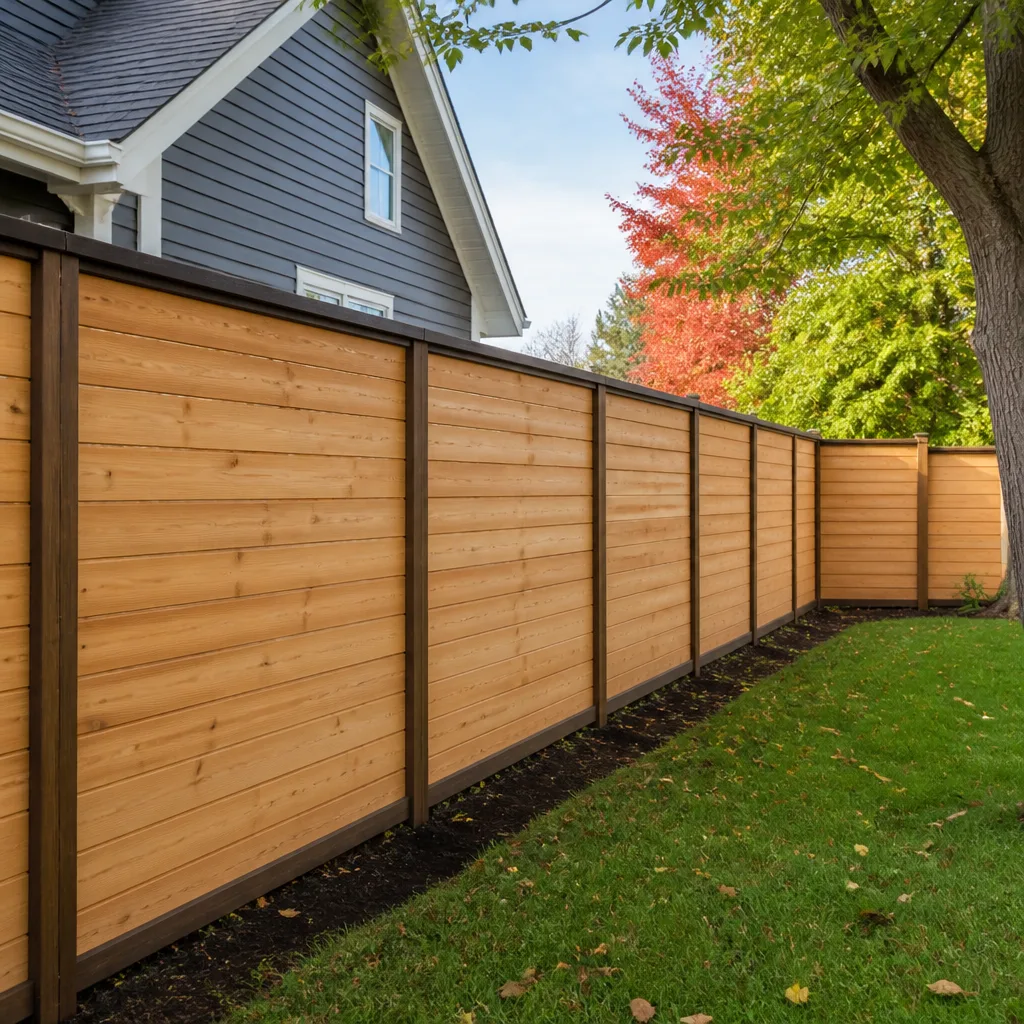
Quikrete fence installation in West Covina typically runs $3,500 to $9,000, depending on linear footage, post depth, and whether we’re setting posts in fresh concrete or rebuilding an existing run. We stock Quikrete Fast-Setting Concrete Mix on the truck and install fence systems built around Quikrete’s post-setting specs, usually same-week for standard residential jobs. Most owners find out their fence has a problem the hard way: a post starts leaning after winter rain, a gate drags against the ground, or the whole run wobbles when you push on it. That wobble almost always traces back to the concrete footing, not the wood or vinyl above it.
What you’ll notice first is usually visual. A post that’s drifted off plumb by half an inch or more, visible cracking at the base of the concrete collar, or soil erosion that’s exposed the footing. By the time you see it, water has been working on that footing for months. Here in West Covina, the clay-heavy soil expands and contracts through the year, and bad drainage against a post base will break down even a well-mixed pour. The good news is the fix is straightforward when it’s caught early. One post reset, not a full fence replacement.
Key Takeaways
- Typical installed cost: $3,500 – $9,000 in West Covina, with most standard residential fences landing between $4,500 and $6,500.
- What we stock: Quikrete Fast-Setting Concrete Mix, standard 4×4 and 6×6 post brackets, and galvanized hardware for the set itself.
- What fails first: the concrete footing around the post, especially in West Covina’s clay soil with poor drainage.
- How fast: most standard post resets and fence rebuilds go from quote to cleanup within one to two weeks.
- Warranty: every Quikrete fence install we do is covered by our 365-Day Done Right Promise, in writing.
Which Quikrete Models This Applies To

Quikrete doesn’t manufacture fence panels or posts. What Quikrete makes is the concrete that holds the fence up: Fast-Setting Concrete Mix, High-Strength Concrete Mix, and Crack-Resistant Concrete Mix being the three most common for residential fence work in Southern California. That’s an important distinction, because the “part” that fails on a Quikrete fence installation isn’t usually the fence itself. It’s the concrete footing. When a homeowner tells us their Quikrete fence is failing, what they almost always mean is the posts are loose in the ground, and the ground is holding onto failing concrete.
For post setting, Quikrete Fast-Setting Concrete Mix is the standard choice. It sets in about 20 to 40 minutes and reaches 400 psi in 24 hours, which is more than enough for a 4×4 or 6×6 post under normal wind load. If you’re in a hillside spot near South Hills where soil movement is more aggressive, we’ll typically spec Quikrete High-Strength mix for the bottom third of the hole. It’s a small upgrade on material cost, but it resists the expansion-contraction cycle better over a decade. The compatibility gotcha most homeowners miss: diameter of the hole matters as much as the mix. Quikrete’s specs call for a hole three times the post width. A 4×4 post needs a 12-inch hole. Narrower than that, and you don’t have enough concrete mass around the post to resist lateral force. In West Covina wind conditions, a 6-inch hole around a 4×4 post is a fence that’s going to lean within five years.
As for OEM versus aftermarket: there’s no third-party post concrete that outperforms Quikrete for this use, and the price difference is negligible. We use Quikrete by name because the mix consistency is predictable from bag to bag, which matters when you’re mixing 30 bags in a day. Anything from a mystery supplier means variance in set time, and variance is what causes a post to shift before the concrete locks.
Styles & brands we work with


Signs Your Quikrete Fence Installation Is Failing
- The post is leaning past 1 inch off vertical. This is the clearest signal the concrete collar has cracked or the post base is rotting inside the footing. In West Covina clay, a slow lean usually starts after a heavy rain year, when saturated soil loses lateral grip on the concrete.
- You see a hairline crack running around the concrete collar at ground level. Freeze-thaw cycles aren’t our issue here, but repeated wet-dry cycles are. Water gets into the collar, sits against the post, and over time the concrete spalls at the surface. That crack is the first visible stage of footing failure.
- The gate post moves when you open or close the gate. Gate posts take double the lateral load of a line post. If the post flexes even an eighth inch when the gate swings, the footing underneath has already lost its bond. This one gets worse fast.
- You can see soil pulled away from the base of the post. Erosion around a footing means the concrete is now doing all the work with less surrounding soil to brace it. On sloped lots in West Covina, downslope erosion is the leading cause of post failure we see.
- The fence “walks” in wind. If a 20-foot section sways more than a few inches during a Santa Ana gust, the posts at either end are no longer anchored. That’s not a board problem, that’s a footing problem, and it needs attention before a good wind takes the whole section down.
See the difference
 Before
 After
After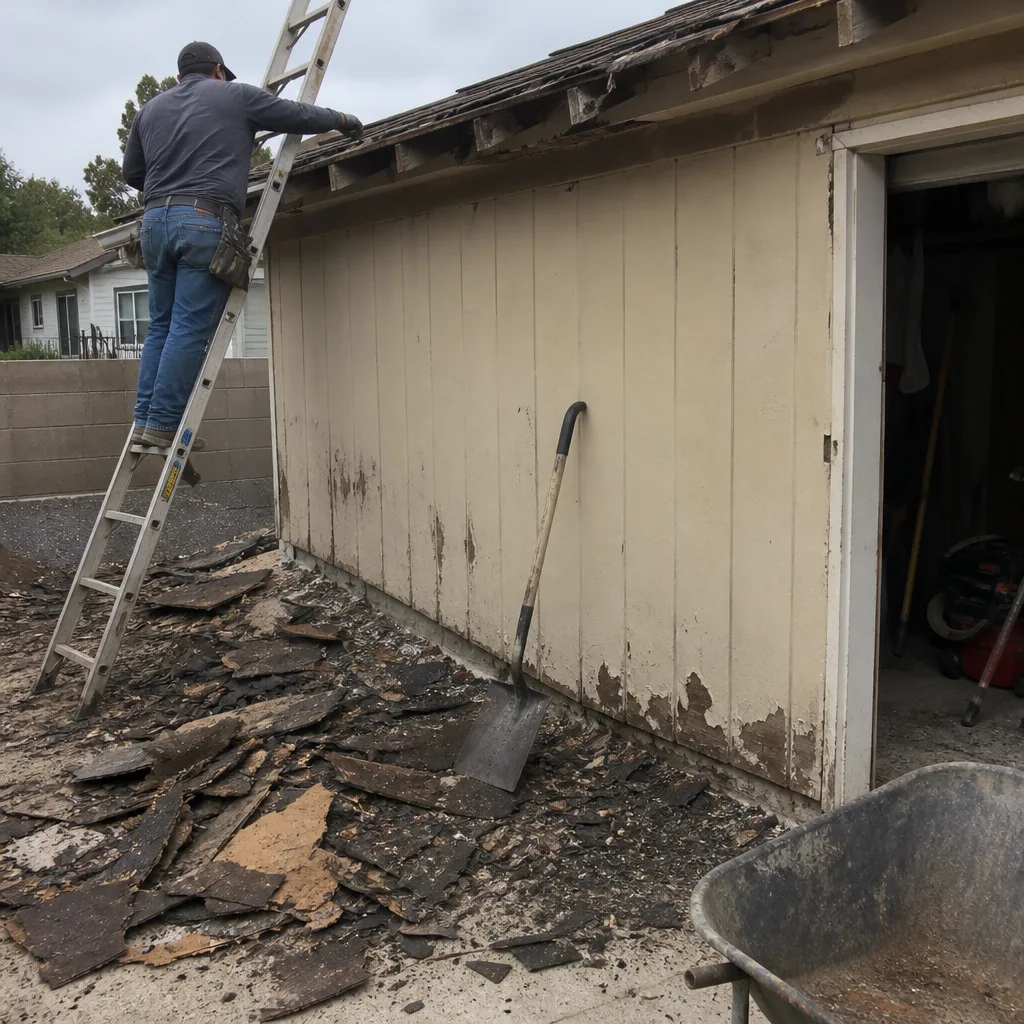 Before
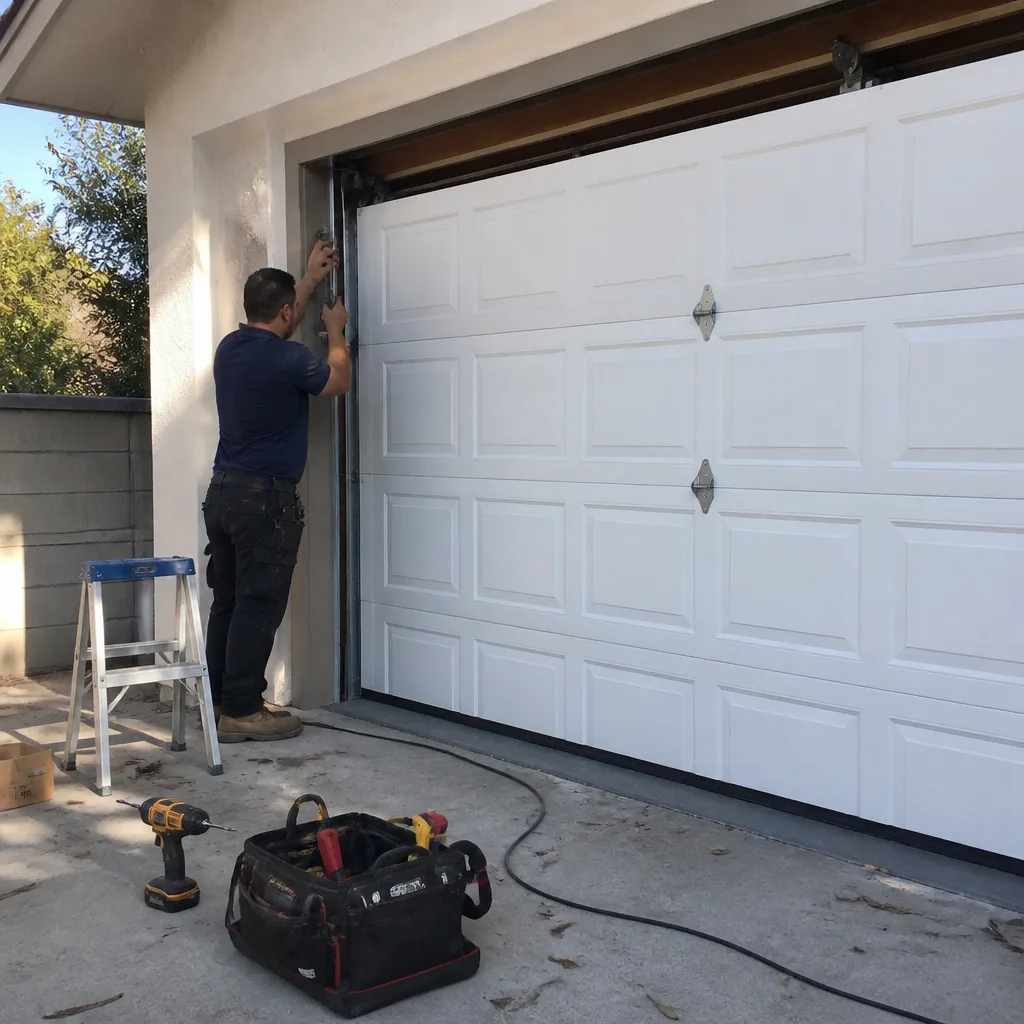 After
After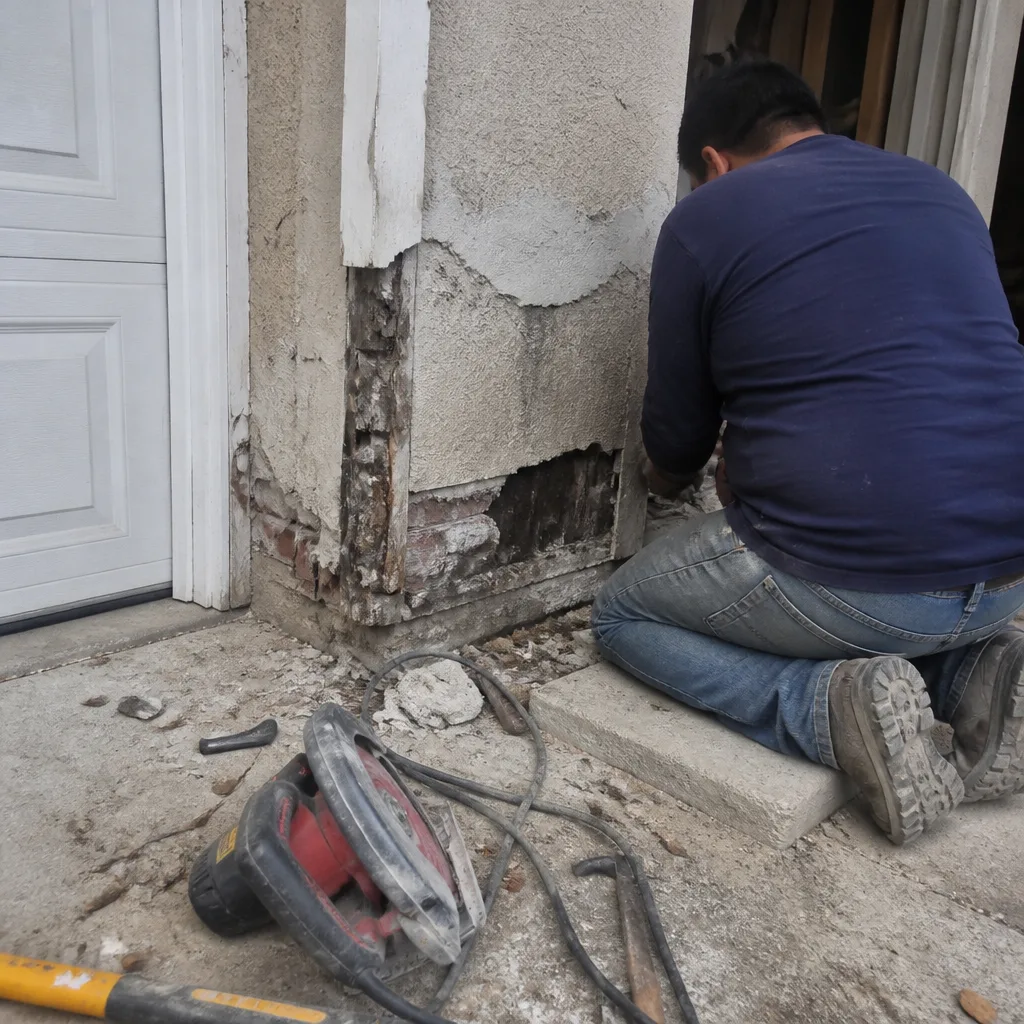 Before
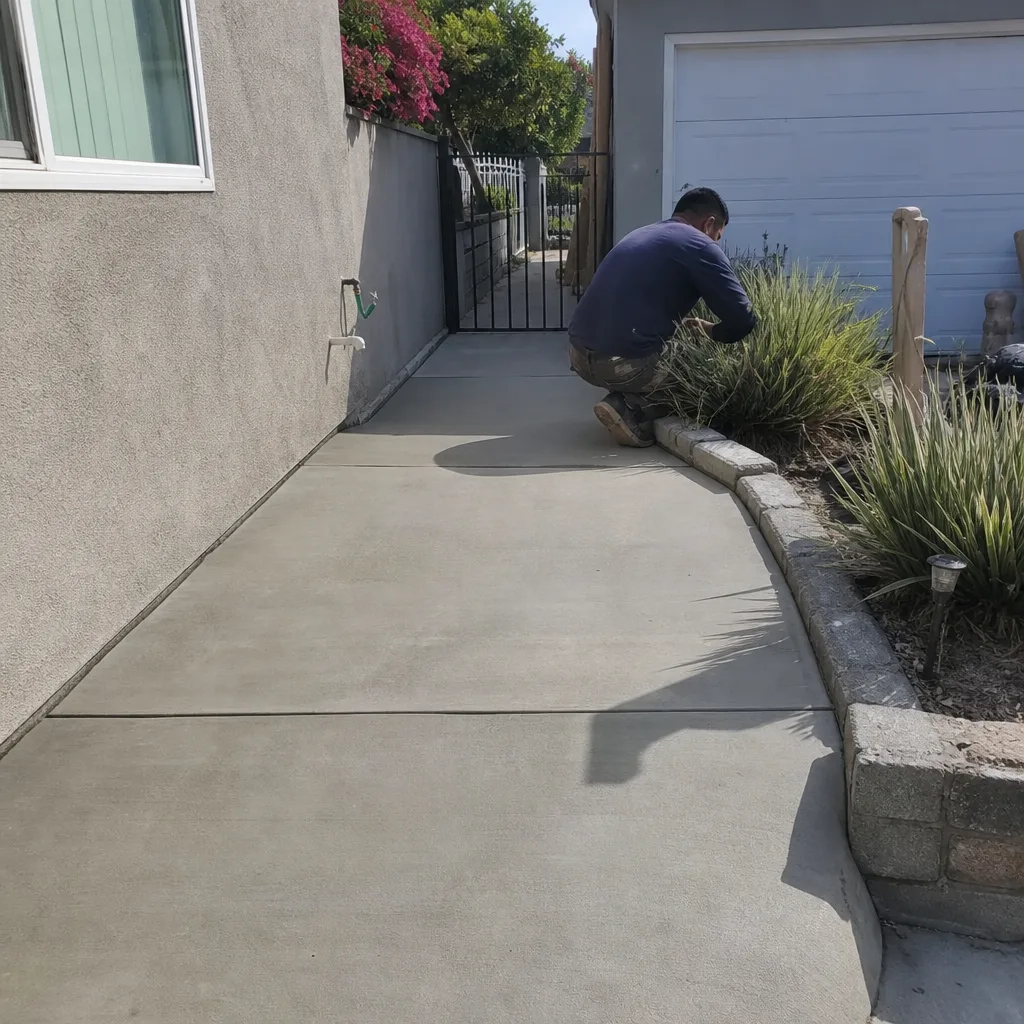 After
AfterReplacement Cost & What’s Included

Installed Quikrete fence work in West Covina runs $3,500 to $9,000 for a typical residential project. At the lower end, you’re looking at resetting 3 to 4 posts in existing concrete, replacing a gate post, and re-hanging the gate. At the higher end, you’re looking at full removal of an old fence, setting 20-plus posts in fresh Quikrete, and rebuilding from scratch with new boards or vinyl panels. Most standard 50 to 60-foot residential fences land between $4,500 and $6,500 including materials, labor, haul-away of the old fence, and concrete.
The cost drivers are straightforward: linear footage, how many posts need to come out, whether the old concrete has to be jackhammered out of clay soil, and access to the work area. A fence that backs up to a slope with no machine access costs more in labor than a flat yard you can wheelbarrow through. We give you a written line-item quote before any work starts, so you see exactly what the concrete costs, what the lumber or vinyl costs, and what labor costs. No change orders, no surprise on the invoice. Every Quikrete fence install carries our 365-Day Done Right Promise: if the post shifts, cracks, or leans within a year, we come back and make it right. In writing.
DIY or Call Us?
There’s an honest middle ground here. You can absolutely check your own posts: use a 4-foot level against each post, look for cracks in the concrete collar, and push on the fence at the top rail. If you find one post that’s off and the rest are solid, that’s a diagnosis you can trust. What goes wrong with DIY on Quikrete fence repair is the reset itself. Digging out an old concrete footing in West Covina clay by hand is a full day of hard labor per post, and if you don’t get the hole diameter right, mix the concrete to the right consistency, and brace the post for the full set window, you’ll be doing the same post again in two years. The other big DIY miss we see: people pour Fast-Setting mix into a hole with standing water still in it, which throws off the water-to-cement ratio and weakens the final set.
If the failure is one post and you have a strong back and a weekend, it’s a doable project. If it’s multiple posts, a gate post, or anything on a slope, call (341) 217-4204. We’ll come out, tell you which posts are actually failing and which have years left, and give you a written price for the work. Free estimate. No obligation.
FAQs

With properly mixed Quikrete and correct hole sizing, a fence post footing in West Covina should last 20 to 30 years before showing meaningful failure. The weak point is almost always drainage: posts set where water pools or downspouts discharge will degrade faster, sometimes in 10 years or less.
If the lean is under a half inch and the concrete collar is intact, a post can sometimes be straightened and re-braced without full excavation. If the concrete is cracked or the post is rotating inside the collar, the fix is a full dig-out and re-set. Call (341) 217-4204 and we’ll tell you which one you have before you spend a dollar.
Most single-post replacements take one day from dig-out to set. A full fence rebuild with new posts on a 50 to 60-foot run typically takes two to three working days, including concrete cure time. We leave the site clean and give you photo updates as we go.
Yes. Our trucks carry Quikrete Fast-Setting Concrete Mix, high-strength mix for slope work, post brackets, galvanized hardware, and standard 4×4 and 6×6 post stock. For most repairs, we have everything on hand the day we arrive.
No. The price we put in writing before we start is the price you pay. If we uncover rotten post bases or buried concrete that wasn’t visible at quote time, we stop, show you what we found, and give you a revised written number before any additional work happens. You approve it or we don’t do it. Good work shows. Bad work shows up later.
Written by Luca Romano, Owner, Sawyer Remodel West Covina at Sawyer Remodel West Covina, serving West Covina and nearby areas.