


Free written scope consultation - allowances, timeline, and change-order rules on paper before a single trade is scheduled
Silestone Driveway & Pavers: The West Covina Owner’s Guide
Silestone driveway and paver work in West Covina typically runs $7,000 – $18,000 installed, depending on square footage, site prep, and the specific paver profile you choose. We stock Silestone-compatible pavers and can usually start the material order within one business day of a signed estimate. Most homeowners in West Covina discover their paver problem the hard way: a paver cracks under a car tire, a section starts to sink after winter rains, or the sand joints wash out and weeds take over the gaps.
Here’s the honest picture before we get into details. Silestone is known for quartz countertops, but the driveway and paver line is a different animal: manufactured stone pavers designed for foot and light vehicle traffic. The failure point usually isn’t the paver itself. It’s the base underneath. In West Covina’s clay-heavy soil, water moves through the ground fast during winter, then the clay expands and contracts through summer heat. That movement is what causes a paver driveway to settle, crack, or separate. Sawyer Remodel West Covina is an independent contractor; we’re not affiliated with the Silestone brand, but we work with their material spec sheets daily and know how their pavers behave on Southern California soil.
Which Silestone Models This Applies To

Silestone’s outdoor paver line comes in a few distinct profiles, and they are not interchangeable. The two you’ll most often see in West Covina driveways are the 60mm pedestrian-grade pavers and the 80mm traffic-grade pavers. The 60mm version is rated for foot traffic and light residential use. The 80mm is what belongs under a driveway where a pickup truck or SUV will park. If someone installed 60mm pavers under your driveway to save a few hundred dollars, that’s your failure point, full stop. It’s the single most common compatibility gotcha we see in this market.
The 80mm Silestone pavers come in modular sizes, most commonly 8″x8″, 8″x12″, and 12″x12″, with a thickness tolerance of plus or minus 2mm. You can identify what you have by lifting an edge paver where the driveway meets the street or the garage slab. Most Silestone pavers have a faint manufacturing stamp on the underside with the thickness and a batch code. If yours are worn smooth, measure the edge with a tape. If you’re under 70mm, you’ve got pedestrian pavers in a driveway, and no amount of re-sanding will fix the underlying problem.
OEM vs aftermarket: We always spec genuine Silestone pavers for replacement matching because batch-to-batch color variation between manufacturers is real. A “close enough” aftermarket paver in a lighter grey will show from ten feet away. That said, for the base materials under the pavers (the crushed aggregate, the sand setting bed, the edge restraints), we use proven brands that meet or exceed Silestone’s install spec. Those you won’t see, and nobody should pay a premium for a logo on gravel.
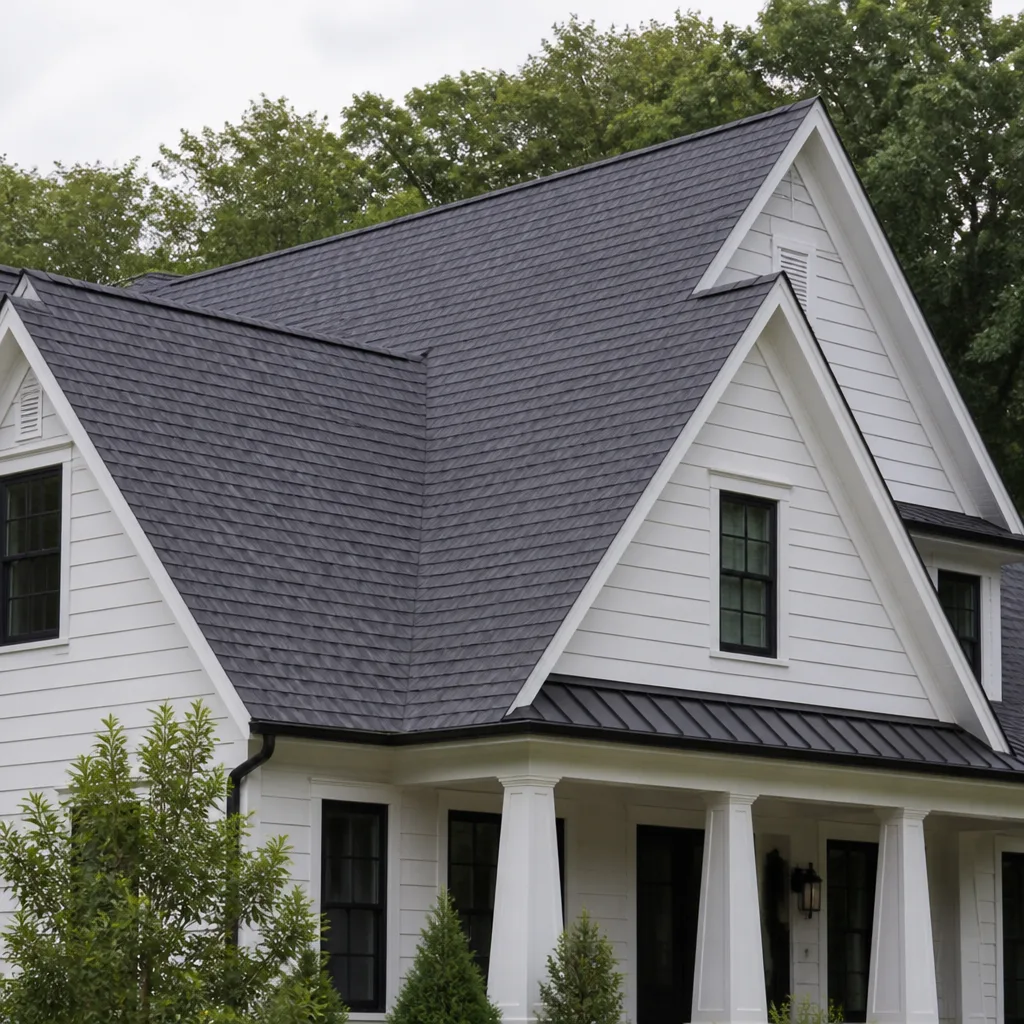
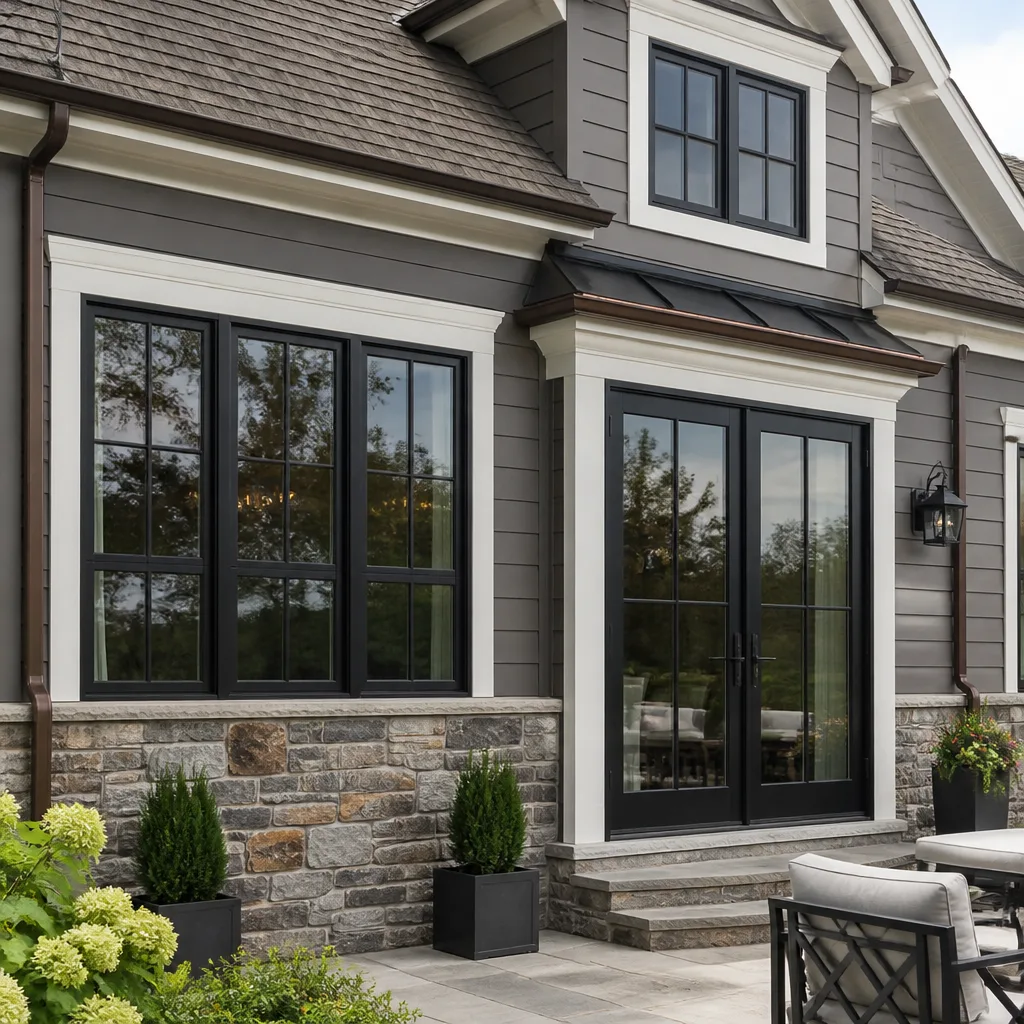
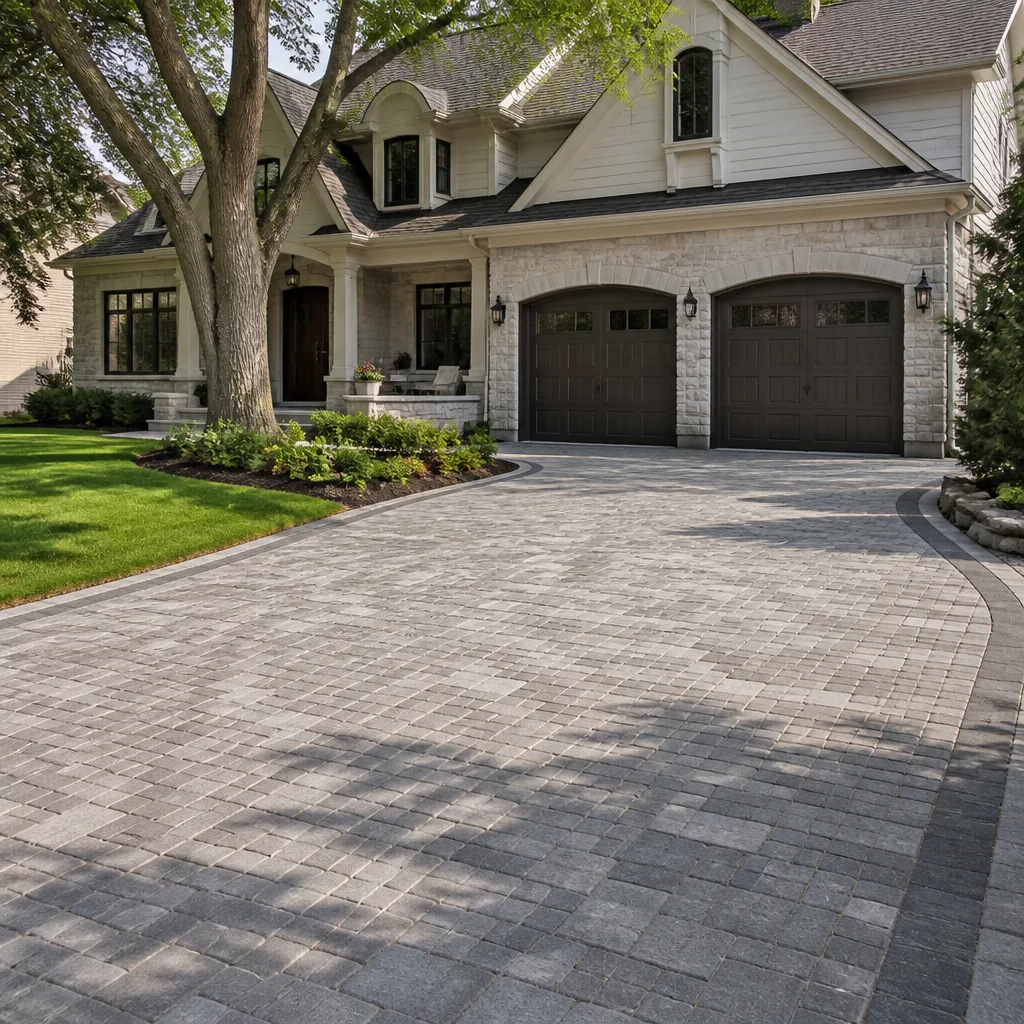
Styles & brands we work with
Signs Your Silestone Driveway & Pavers Is Failing
- Cracked or split pavers under parked cars. This almost always means the base wasn’t compacted properly or the wrong paver thickness was used. The pavers aren’t the weak link here; the support under them is.
- Sunken or low spots that hold water after rain. Clay soil under your driveway expands and contracts through West Covina’s wet-dry cycle. When the base sand migrates or washes, the pavers follow the void and dip.
- Sand washing out of the joints after every rain. This tells you the paver joints aren’t being fed by proper edge restraint. Once the edges lose their grip, the whole field can start drifting apart, a slow creep that gets worse each winter.
- Pavers moving or rocking when you step on them. A rocking paver means the sand setting bed has thinned underneath it. It may be a single paver right now, but that one becomes a pivot point that cracks its neighbors.
- Weeds sprouting thick between the joints. Some weed growth is normal, but a sudden explosion of growth means organic material is building up in the joints, which holds moisture, which softens the base, which accelerates everything else on this list.
See the difference
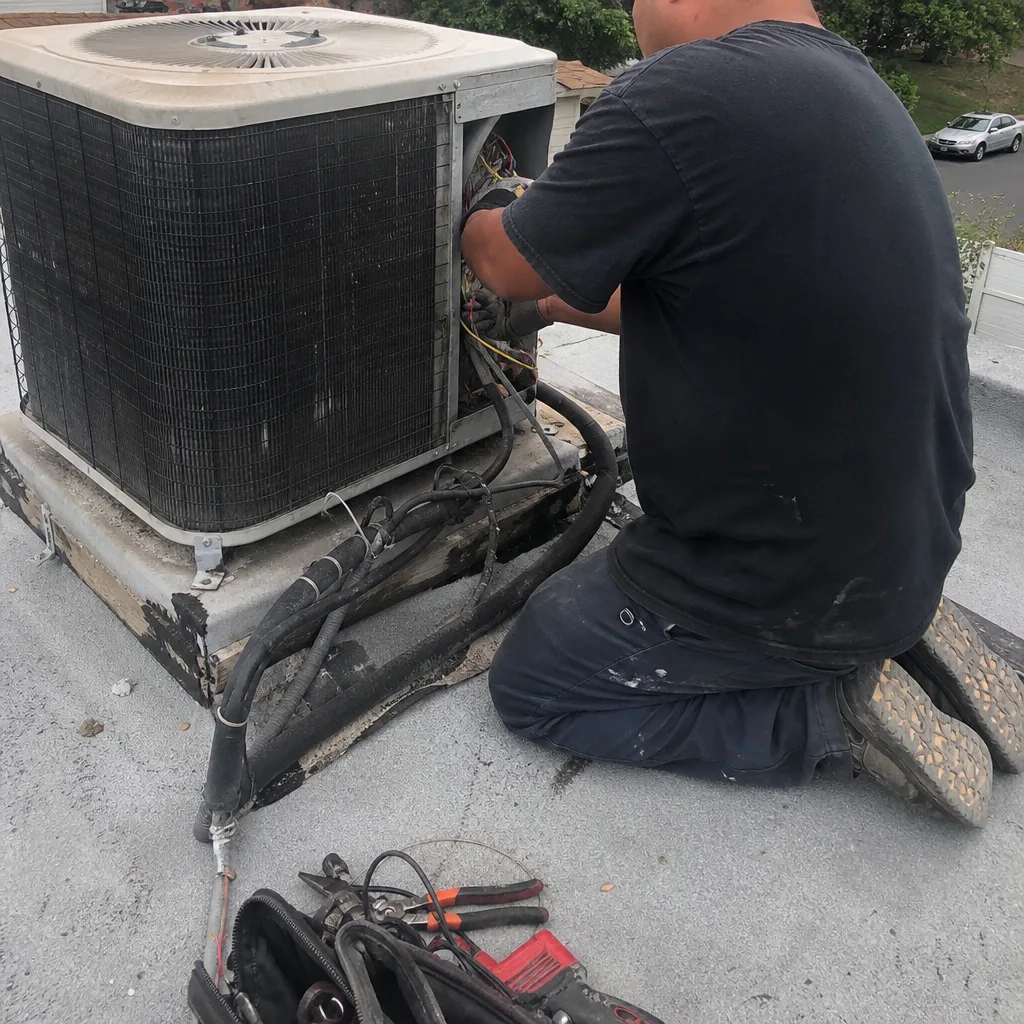 Before
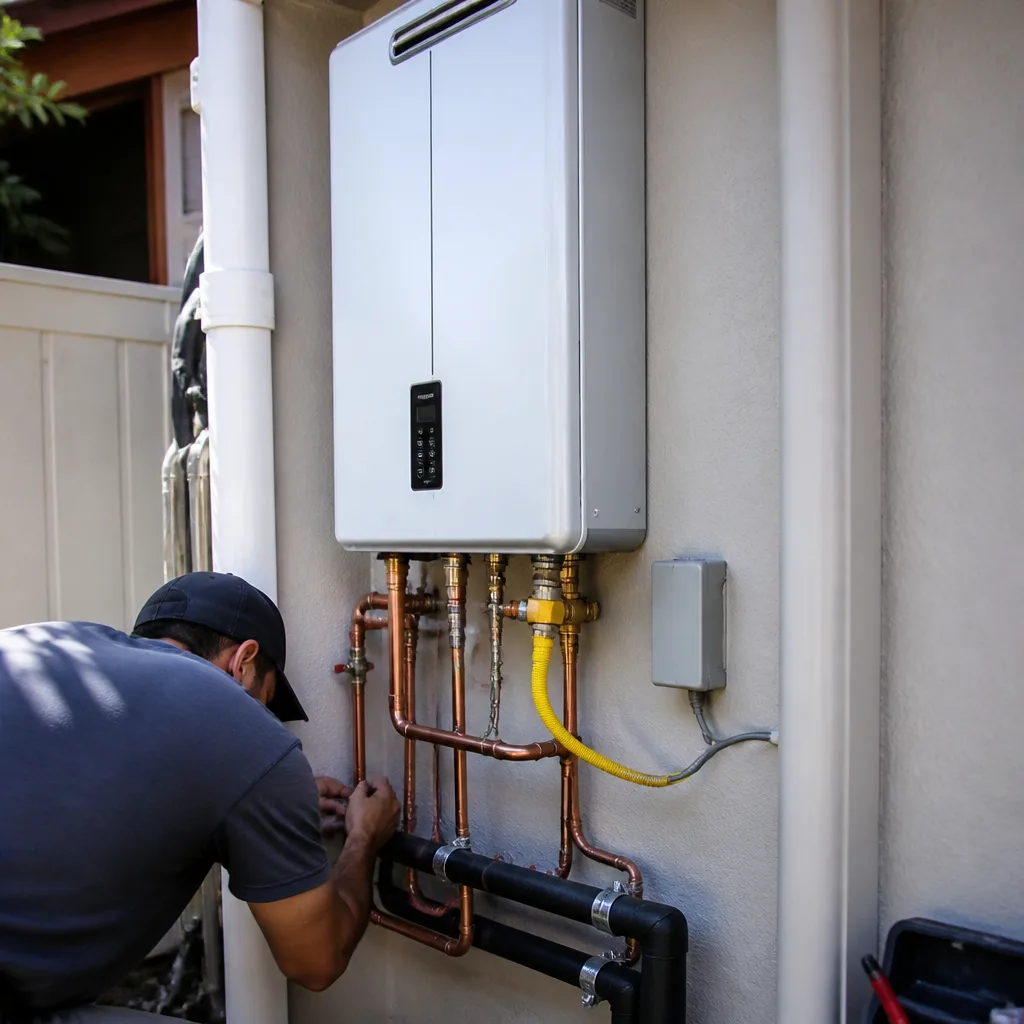 After
After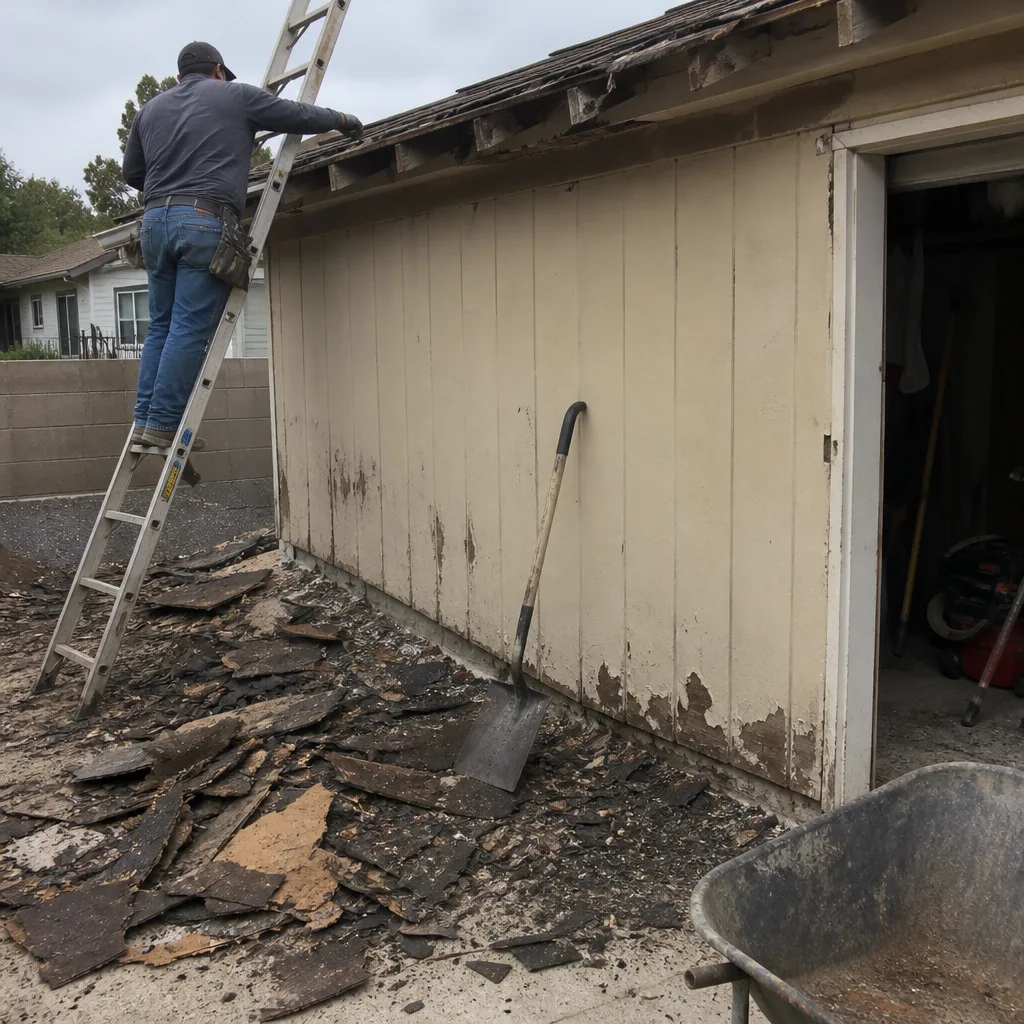 Before
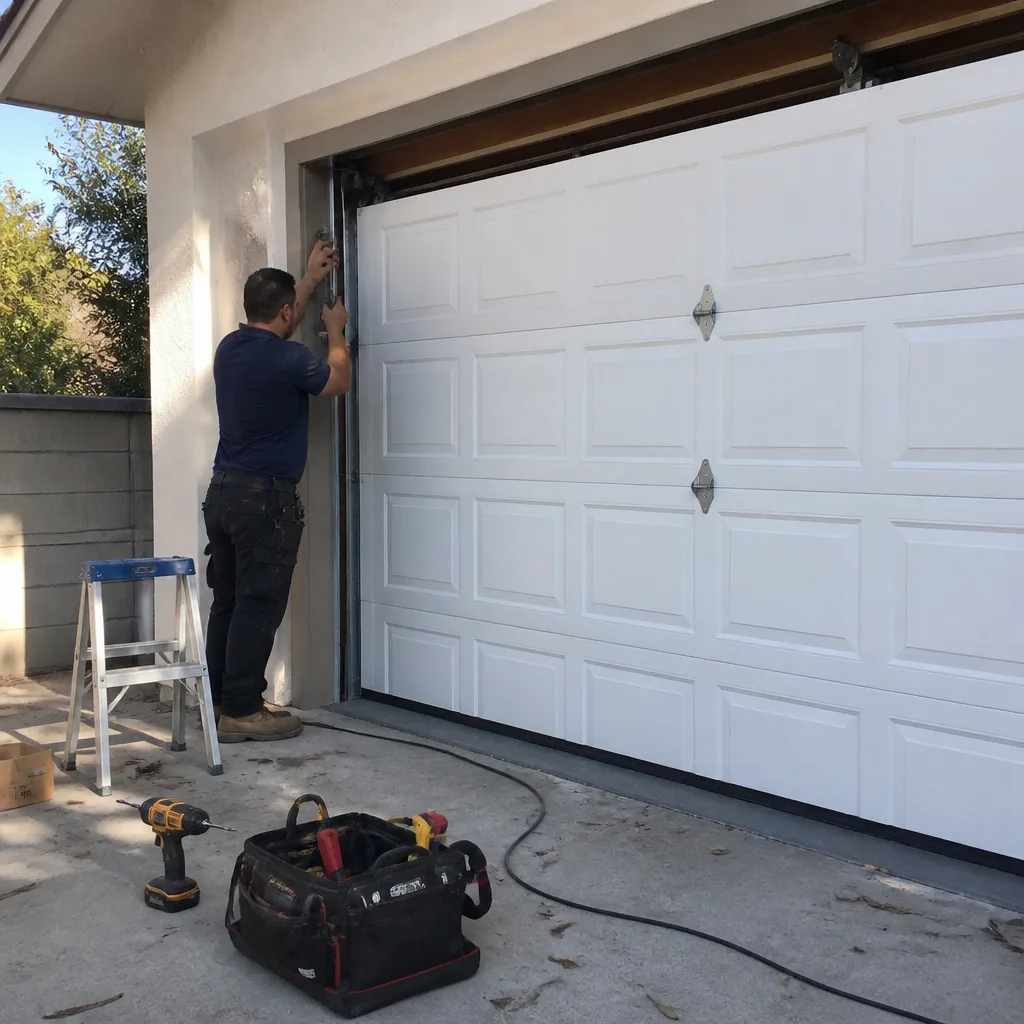 After
After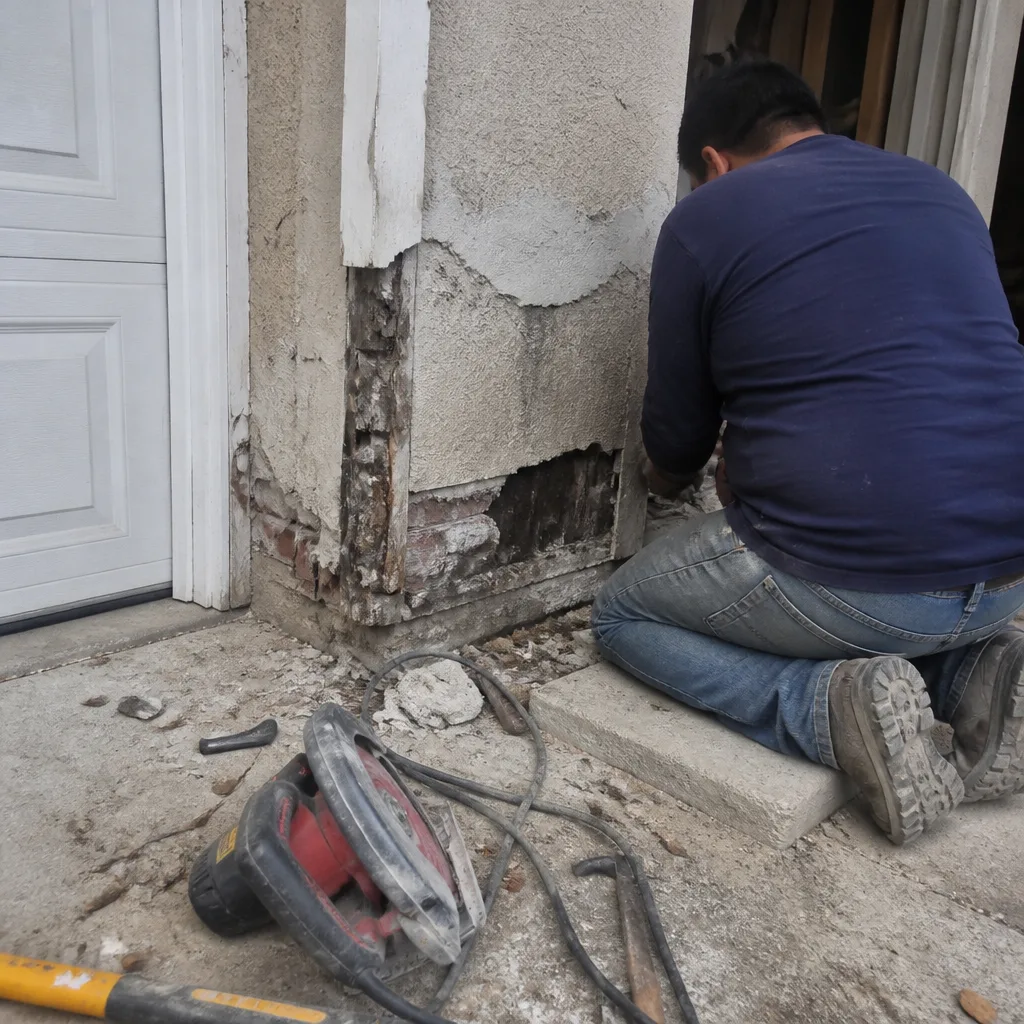 Before
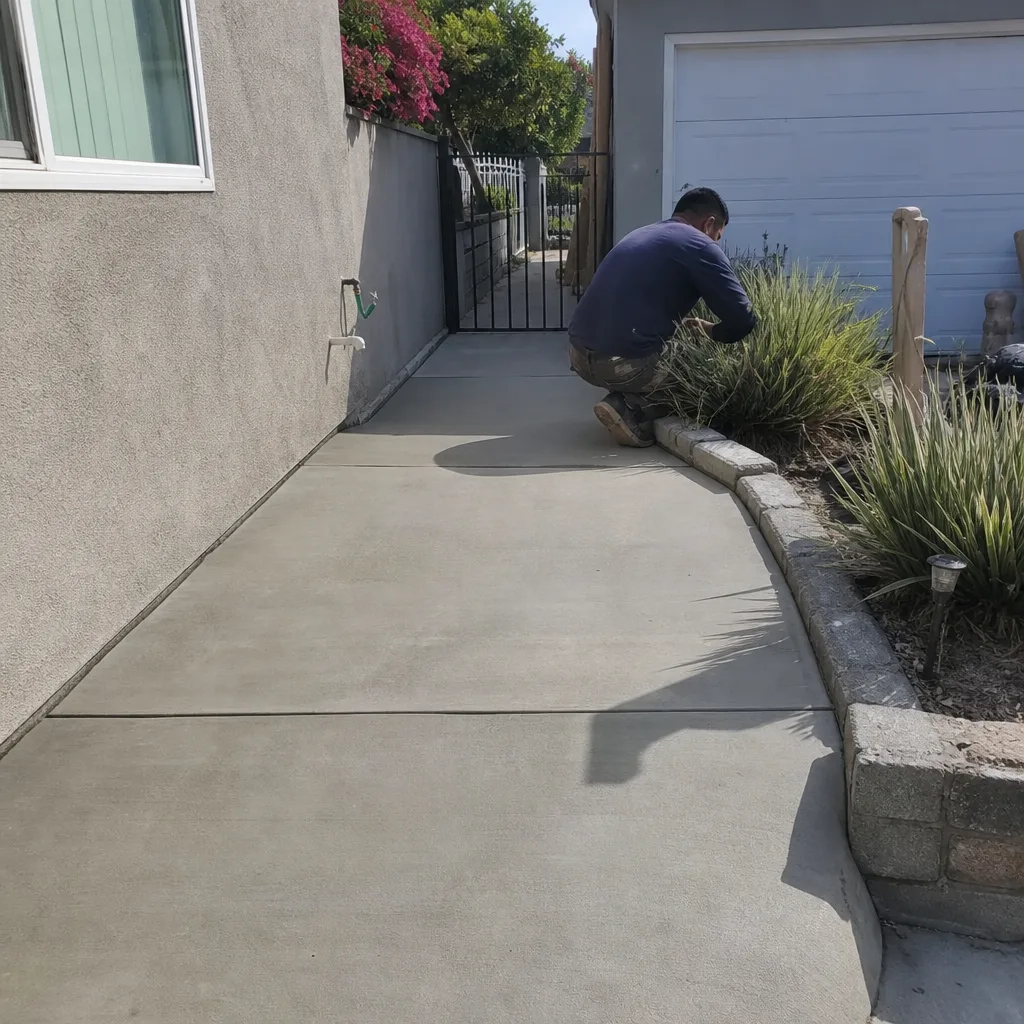 After
AfterReplacement Cost & What’s Included

In West Covina, a full Silestone paver driveway replacement runs $7,000 – $18,000 installed. Smaller or simpler jobs, like a single-car driveway with minimal demo, land in the low $9,000 range. Larger projects with poor access, existing concrete to haul out, or a need for significant base rebuild push toward $15,000 – $18,000. We write the price in writing before any work starts, every time. That’s The Relay Standard we operate under: who is coming, when they arrive, and what it costs, confirmed before a tool gets picked up.
What drives the range is mostly base work. If your existing base is fine and the pavers are simply worn or dated, you’re paying mostly for new paver material and labor. If we have to dig out 6 – 8 inches of failed base, haul it off, bring in fresh Class II aggregate, compact it in lifts, and then set your new pavers, that’s a bigger number. Every quote we give includes the line-item breakdown so you see exactly where your money goes. All of our driveway and paver work carries the 365-Day Done Right Promise: if it’s not done right, we make it right, in writing, for a full year.
DIY or Call Us?
Here’s the honest split. You can absolutely inspect your own driveway. Lift a corner paver and measure it. Hose down the surface and watch where water pools. Look at whether the edges along your garage slab have moved. That’s useful information for any contractor you call. What you should not do is start pulling up pavers and re-laying them yourself, especially if the base is failing. A paver driveway is a system. If you fix the top layer but don’t address the base compaction underneath, you’ve spent your weekend and several hundred dollars on a repair that fails the same way in twelve months. Good work shows. Bad work shows up later.
If you want a second set of eyes before committing to anything, call us at (341) 217-4204. We’ll come out, look at what’s happening, and give you a written price. You decide from there. No pressure, no hard sell.
FAQs
With a properly prepared base and the right 80mm traffic-grade paver, a Silestone driveway in West Covina should last 25 – 30 years before the surface shows meaningful wear. The pavers themselves won’t fail; it’s always the base or the installation that gives out first. Call (341) 217-4204 for a free inspection and an honest read on how much life your existing surface has left.
Yes, if the crack is in a single paver and the base under it is still solid, we can pull that one paver, set a new one, and re-sand the joints. If you’re seeing cracks across multiple pavers or at the same spot in the pattern, the base is failing and spot repairs won’t hold. Give us a call at (341) 217-4204 and we’ll tell you which situation you’re in before you spend a dollar.
A straightforward demolition and replacement on a standard two-car driveway in West Covina takes four to six working days, including base prep, paver installation, joint sanding, and compaction. If the base has to be completely rebuilt, add a day or two. We’ll map the timeline out for you in the written estimate so you can plan around it.
We don’t warehouse pallets of Silestone pavers in our shop; we order directly from the supplier once we confirm your measurements and profile match. That usually adds two to four days for material delivery, which we build into the schedule. When you call (341) 217-4204, we’ll verify what you have, quote a price, and get the order in.
Written by Luca Romano, Owner, Sawyer Remodel West Covina at Sawyer Remodel West Covina, serving West Covina and nearby areas.