Last updated October 16, 2026

Free written scope consultation - allowances, timeline, and change-order rules on paper before a single trade is scheduled
Construction Cost Breakdown: The West Covina Homeowner’s Reference for 2026
Labor is typically 40 to 50% of a remodel budget, but most contractors quote you a single number. When that number changes, you have no idea which part changed or why. This guide fixes that. We’re going to walk through the real cost structure of construction in West Covina in 2026, line by line, so that when a quote lands in your inbox, you can read it like a professional and spot the gaps before they become change orders. No fluff. No vague promises. Just the numbers and what they mean.
Quick Answer
In West Covina in 2026, a mid-range bathroom remodel typically runs $380 to $650 per square foot, a full kitchen remodel runs $55,000 to $95,000, and a room addition runs $250 to $400 per square foot, including materials, labor, permits, and general contractor fees. The single biggest driver is labor, which sits at 40 to 50% of the total, and the line items homeowners most often forget are permit fees, debris hauling, and material lead times. If a quote doesn’t break out these categories separately, you’re looking at a contractor who plans to surprise you later.
Styles & brands we work with

Table of Contents
- Real 2026 Cost Ranges for West Covina Remodels
- Why San Gabriel Valley Labor Rates Run Higher Than Inland Empire Quotes
- The Line Items Homeowners Routinely Don’t Budget For
- How a Written Price Guarantee Works Mechanically
- How to Read a Contractor’s Quote: The Five Missing Line Items That Predict a Change Order
- Where the Money Goes: Trade by Trade
- West Covina-Specific Factors That Shift Prices
- Common Mistakes to Avoid
- When to Call a Professional
- Frequently Asked Questions
Real 2026 Cost Ranges for West Covina Remodels
Here are the numbers West Covina homeowners should be working with in 2026. These ranges assume mid-grade finishes from brands like Kohler, Moen, and Cambria, installed by licensed, insured crews. Budget-grade and luxury-grade finishes move these numbers down or up by roughly 20 to 30%.
Bathroom Remodel
- Guest/hall bathroom (40-60 sq ft): $18,000 to $32,000
- Primary bathroom (80-120 sq ft): $35,000 to $60,000
- Full gut with layout change: Add $8,000 to $15,000 for moving plumbing and electrical
Kitchen Remodel
- Cosmetic update (counters, fixtures, paint): $25,000 to $45,000
- Full remodel (cabinetry, layout, appliances): $55,000 to $95,000
- Full gut with structural change: $95,000 to $140,000+
Room Addition
- Standard single-story addition (400-600 sq ft): $250 to $400 per square foot, so $100,000 to $240,000 total
- Second-story addition: $300 to $450 per square foot because it requires structural reinforcement and a roof tie-in
- ADU conversion (existing garage): $120,000 to $180,000 for a fully permitted unit
These figures reflect West Covina market rates in 2026, not national averages. The San Gabriel Valley has its own cost ecosystem, and we’ll explain why in the next section. If you’re planning a full home renovation in West Covina, these numbers scale roughly linearly per square foot, with some savings on mobilization when multiple rooms are done at once.
Why San Gabriel Valley Labor Rates Run Higher Than Inland Empire Quotes
It’s not uncommon for a West Covina homeowner to get a quote from an Inland Empire contractor that comes in 15 to 25% below a local San Gabriel Valley quote for what looks like the same project. The homeowner sees a better number and signs. Then the surprises start.
Here’s what’s actually happening. Labor rates in the San Gabriel Valley run higher for structural reasons, not because local contractors are padding their margins.
- Travel time and mobilization costs. A crew coming from Riverside or Ontario burns 90 minutes to two hours per day in traffic on the 10 or the 60, and that time gets billed somewhere. West Covina-based crews live and work in the same radius, which means less unbilled drive time and faster response when a trade needs to return for a punch-list item.
- Permit familiarity. West Covina has its own building and safety department, its own inspectors, and its own set of local amendments to the California Building Code. A contractor who pulls permits here weekly knows what the city’s inspectors flag, what they pass on first review, and what supporting documents they ask for. A contractor who has never pulled a permit in West Covina is learning at your project’s pace, and that learning curve costs days, not hours.
- Subcontractor ecosystem. The local subs, plumbers, electricians, tile setters, drywall crews, have relationships with local general contractors. When the same plumber works with the same GC on forty projects a year, scheduling works differently than when the GC is calling an out-of-area plumber cold.
- Material knowledge. West Covina homes span a wide range of eras, from 1950s ranch houses to 1990s stucco tract homes. Local crews know what they’re likely to find behind the walls of a 1962 original-bath house on the south side of town. That knowledge prevents mid-project surprises.
What you’re buying with a local West Covina crew isn’t charity. It’s a predictable schedule and a lower chance that a quote turns into a renegotiation. In our experience, the cheaper out-of-area quote rarely survives contact with reality.
The Line Items Homeowners Routinely Don’t Budget For
Every remodel has a set of costs that almost never appear in the first quote a homeowner sees. Not because the contractor is hiding them, but because the contractor hasn’t done the work yet to discover them. Here are the ones we see consistently on West Covina projects.
Permit Fees
In West Covina, a bathroom or kitchen remodel permit typically runs $800 to $2,500 depending on scope, and a room addition permit can run $3,000 to $8,000. For a deeper look at the process, see our guide to Construction Permits, Codes & Inspections in CA: What You Need to Know. These are city fees, not contractor fees. A contractor who says “we don’t need a permit” for a room addition is creating future liability for you that can surface when you go to sell the house.
Debris Hauling and Dumpster Rental
A full kitchen gut produces 3 to 5 tons of debris. That’s one or two 20-yard dumpster loads. In the San Gabriel Valley, expect $500 to $900 per dumpster, including delivery and pickup, plus any weight overage fees. For a room addition, excavating a foundation adds another $1,200 to $2,500 in hauling and disposal, depending on soil conditions and whether any existing concrete needs to be broken out and removed.
Material Lead Times
This is the hidden cost that isn’t a dollar figure but shows up as time. In 2026, custom cabinetry from KraftMaid or Wellborn typically runs 6 to 10 weeks from order to delivery. Cambria, Silestone, and Caesarstone countertops run 3 to 6 weeks after template. If your contractor doesn’t order these materials at the right moment in the schedule, the project pauses and you’re paying for a half-finished room. A good general contractor sequences the order so that materials arrive the week they’re needed, not the month after.
Temporary Housing
If your project is a whole-home general contractor in West Covina scope, meaning the kitchen is out for weeks and the only bathroom is being gutted, temporary housing becomes a real line item. Most families can live through a bathroom remodel. A full kitchen remodel is survivable for a week or two with a microwave and a grill. A whole-home renovation is not survivable, period. Budget $2,000 to $5,000 per month for a short-term rental in the San Gabriel Valley, or plan the project in phases so that at least one bathroom and some form of cooking surface remain usable.
How a Written Price Guarantee Works Mechanically
The single most valuable thing a remodeling company can give you is a written price before any work starts. But “written price” means nothing unless you understand what conditions allow that number to change. Here’s the mechanical reality, from someone who has been running remodeling projects in West Covina since 2005.
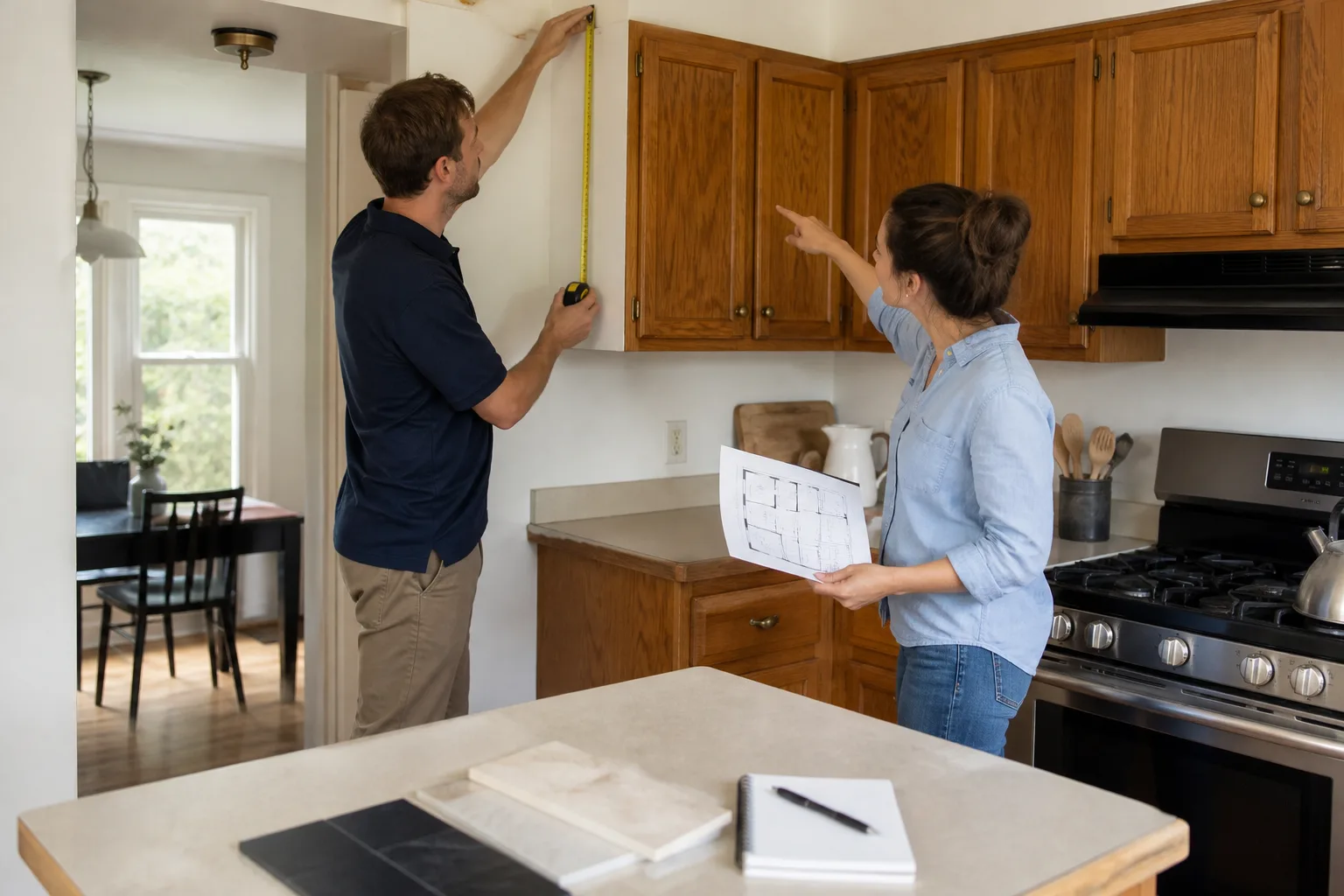
- The written price covers the scope as documented. This means a written scope of work, not a one-sentence description. “Remodel primary bathroom” is not a scope. “Demo existing fixtures and finishes, rough-in new shower valve, tile shower walls to ceiling with 12×24 porcelain, install double vanity, install new toilet, paint, install exhaust fan” is a scope. If the scope is vague, the price is vague, and the change orders are inevitable.
- A legitimate cost adjustment happens only when the scope changes at your request or when the existing conditions differ materially from what was visible at bid time. Example: you decide mid-project to move the shower from one wall to another. That’s a legitimate change. Example: the contractor opens the wall and finds cast-iron plumbing that’s rusted through and was not visible or knowable during the bid. That’s a legitimate change. Both should be documented as a written change order with a specific dollar amount, approved by you before the work proceeds.
- What should never be a surprise: “We didn’t budget enough for tile,” “the price of lumber went up,” or “this took longer than we thought.” A contractor who underbids materials or labor is asking you to cover a mistake that was knowable at bid time. That’s not an unforeseen condition; that’s poor estimating.
- The 365-Day Done Right Promise layer. Our approach adds a layer on top of the written price: if something we built isn’t done right, we make it right for a full year after the project closes. That promise is in writing, on every job, because a written price without a written guarantee is only half the equation.
When a contractor gives you a lump-sum number without a scope, a material allowance schedule, or a change-order process, you’re not actually getting a price. You’re getting an opening bid in a negotiation that will be resolved later, at your kitchen table, with a half-finished room behind you.
How to Read a Contractor’s Quote: The Five Missing Line Items That Predict a Change Order
Most change orders are predictable before the first hammer swings. They hide in the gaps between what a quote says and what a project actually requires. Here are the five line items that, when missing from a quote, are almost always followed by a surprise invoice.
- Material allowances that are too low. If a quote says “tile allowance: $3.50/sq ft” and you picked a $9/sq ft porcelain tile at the showroom, the difference becomes a change order. A good quote itemizes the specific materials you selected, with the manufacturer, the collection name, and the exact quantity. If the quote uses allowances rather than specifics, ask what happens when your actual selection exceeds the allowance.
- Debris removal and dumpster fees. If there’s no line item for hauling and disposal, the contractor either forgot, which is unlikely, or is planning to add it later. Insist on seeing the dumpster and hauling cost as a line item before you sign.
- Permit fees and plan check costs. Some quotes show the construction cost but exclude city permit fees, plan review, and inspection costs, which the contractor marks as “owner’s responsibility.” That’s not automatically a red flag, but it means you need to add $2,000 to $8,000 to the number before you compare quotes. A contractor who handles permits as part of the project and shows the fees transparently is saving you administrative work, not just money.
- Subcontractor scope limitations. “Electrical: as needed” is not a scope. Ask for specific line items: how many new circuits, how many light fixtures, how many outlets, whether the panel needs upgrading. A West Covina home built before 1980 may have a 100-amp panel, and a kitchen remodel with modern appliances may require a 200-amp upgrade, which is $3,500 to $6,000 on its own. If the quote doesn’t mention panel capacity, the change order is coming.
- Finishing details and trim. Baseboards, door casing, paint finishes, hardware, grout sealing. These get bundled under “finish work” in a sloppy quote and then re-billed as extras. A quote that lists finish work in detail costs more on paper but less in reality, because the paper number is real and the relationship between you and the contractor doesn’t sour mid-project.
At Sawyer Remodel West Covina, every quote we issue includes a written scope, specific materials by brand and collection, and all fees and allowances itemized. Not because we enjoy paperwork, but because we’ve seen what happens to projects when the paperwork is vague. The price you approve is the price you pay, and if something changes, that change gets its own written document with its own number, approved by you before proceeding.
Where the Money Goes: Trade by Trade
Understanding the cost structure of a remodel means understanding what each trade actually does and what its work costs in the West Covina market. Here’s the breakdown for a typical primary bathroom remodel in the $45,000 range.
Demolition and Rough Carpentry
$3,500 to $6,000. Includes removing existing fixtures, finishes, and any non-load-bearing walls that need to move, plus re-framing for the new layout. In West Covina’s older homes, this number runs higher because of lath-and-plaster walls, which are heavier, messier, and more labor-intensive to remove than drywall.
Plumbing
$6,000 to $12,000. This covers relocating drain lines, replacing the shower valve, installing a new tub or shower pan, and roughing in the vanity. If the house still has galvanized steel supply lines, which is common in the original 1950s and 1960s neighborhoods, you’ll want to budget for replacing them with copper or PEX while the walls are open.
Electrical
$2,500 to $5,000. New lighting circuits, exhaust fan installation, GFCI outlets, and any panel work. California’s Title 24 energy code drives up electrical scope: exhaust fans must be humidity-sensing, lighting must meet efficiency standards, and the wrong fixture can fail inspection.
Tile and Waterproofing
$7,000 to $14,000. This is the biggest labor line item in most bathroom remodels. What matters here isn’t just the tile itself but the waterproofing system underneath: cement board, liquid membrane, or a Schluter edge trim system, which is the metal strip that waterproofs where your tile meets the floor. A shower that leaks in five years costs more to fix than building it right the first time.
Cabinetry and Countertops
$5,000 to $12,000 for a bathroom vanity. Custom cabinetry from a brand like Wellborn or KraftMaid runs higher, but the cabinet boxes are built to fit the actual dimensions of your room, not shimmed into place with filler strips. Countertops from Cambria, Silestone, or Caesarstone run $60 to $120 per square foot installed, depending on the collection and edge profile.
Flooring
$2,000 to $5,000 including installation. Porcelain tile runs $4 to $12 per square foot for material plus $8 to $15 per square foot for installation in a bathroom pattern. Heated floors, which are increasingly popular in West Covina bathroom remodels, add $15 to $25 per square foot.
General Contractor Fees and Project Management
$6,000 to $12,000, which is 12 to 20% of the total. This covers scheduling, coordination, quality control, and the risk of standing behind the work. A general contractor who charges less than 12% is making it up somewhere else, usually by using cheaper subs or squeezing the schedule.
This same breakdown applies to kitchens and additions, scaled by square footage and trade complexity. A kitchen adds cabinetry at $30,000 to $60,000 for a full set, appliances at $8,000 to $20,000 depending on brand, and countertops at $4,000 to $12,000 for stone. A room addition adds foundation work at $15,000 to $35,000, framing at $40 to $70 per square foot, roofing at $6,000 to $12,000, and HVAC tie-in at $8,000 to $15,000.
West Covina-Specific Factors That Shift Prices
West Covina isn’t a generic Southern California suburb. It has specific characteristics that affect what you’ll pay and how your project will run.
Soil Conditions and Foundation Work
West Covina sits on a mix of alluvial deposits from the San Gabriel River and harder compacted soils near the foothills. For room additions, this affects excavation cost and sometimes requires deeper footings or soil reports. Budget $2,000 to $5,000 for a soils report if your addition is large or on a sloped lot, and expect the inspector to pay close attention to the foundation inspection.
Housing Stock and Hidden Conditions
The original 1950s and 1960s ranch homes in neighborhoods near Del Norte Park and Cameron Park often have galvanized plumbing, cloth-wrapped wiring, and original cast-iron drain lines under the slab. Any remodel that opens walls or floors in these homes should budget 5 to 10% of the project total as a contingency for what’s found behind the walls, as outlined in our Construction Warning Signs: A West Covina Homeowner’s Reference Guide. Homes built in the 1980s and 1990s have fewer surprises, but smaller electrical panels and lower ceiling heights can add scope.
City Permitting and Inspection Rhythm
West Covina’s Building and Safety Division processes most residential permits within 2 to 4 weeks for simple remodels and 4 to 8 weeks for additions requiring plan review. Inspections are typically scheduled with 24 to 48 hours notice. None of this should change your cost materially, but it does affect your timeline, and timeline changes affect your cost if you’re financing the project or paying for temporary housing.
Neighborhood Context
The neighborhoods around South Hills Country Club and the newer developments near the Eastland Center support higher-end finishes, which means the remodel cost per square foot runs higher. The point isn’t that some neighborhoods are “better” than others; it’s that the resale value of a $60,000 primary bathroom is different in different parts of West Covina. If you’re planning to sell within five years, talk to a local real estate agent before setting your finish budget.
For a deeper dive on any of this, start with our Sawyer Remodel West Covina home page, which covers our service area and approach, or read our specific bathroom remodeling in West Covina guide for a closer look at what a bathroom project involves.
Common Mistakes to Avoid
- Signing a contract without a written scope of work. A one-page proposal with a price and a handshake is the fastest path to a five-figure change order. Insist on a scope that names specific materials, appliances, fixtures, and finishes before you sign anything.
- Comparing quotes only on total price. A $42,000 bathroom quote that includes specific tile, a specific vanity, and a written process is a better deal than a $36,000 quote that says “tile: allowance.” Compare scopes, not totals.
- Skipping the permit. In West Covina, an unpermitted room addition can become a deal-killer when you go to sell. The city’s records won’t match the physical house, and the buyer’s lender may refuse to fund. Permit fees are insurance against a much larger problem later.
- Paying the full balance upfront. In California, contractors are limited to a 10% down payment or $1,000, whichever is less, on most residential projects. Anyone asking for 50% upfront is either desperate or problematic. Progress payments tied to completed milestones are the standard.
- Ignoring the material lead time calendar. If your contractor orders your KraftMaid cabinetry after demo starts, you’re looking at 8 weeks of an empty kitchen. Order materials at contract signing, even if you don’t take delivery until later.
- Assuming the existing electrical and plumbing are fine. A 1960s West Covina house with a 100-amp panel and galvanized supply lines can handle a new vanity, but not a new kitchen. Get the infrastructure scoped before you fall in love with a finish.
- Not asking about the change order process. Every project will have at least one change. What matters is whether the contractor writes it down, gets your approval, and charges a fair number. If the contractor doesn’t have a documented change order process, you’re signing up for verbal surprises.
When to Call a Professional
Some projects are safe to tackle yourself. Replacing a faucet, swapping a light fixture, painting a room. But the moment the work involves moving plumbing, altering framing, running new electrical circuits, or touching any structural element, you need a licensed contractor. West Covina’s permit process is designed to make sure the work is done to code, and a homeowner permit doesn’t insulate you from the liability of a bad install. If you’re planning a remodel of any size, or if you’ve gotten a quote that doesn’t make sense and want a professional read on it, Sawyer Remodel West Covina offers free estimates. Call (341) 217-4204 and we’ll walk you through the numbers line by line.
Frequently Asked Questions
A guest bathroom remodel in West Covina typically runs $18,000 to $32,000, while a primary bathroom runs $35,000 to $60,000, including materials, labor, permits, and general contractor fees. The biggest variables are the condition of the existing plumbing and electrical, whether you’re moving fixtures, and your finish selections. Call (341) 217-4204 for a written estimate specific to your house and scope.
A full kitchen remodel typically takes 6 to 10 weeks from demo to final inspection, depending on the scope of structural work and the lead time on your cabinetry and countertops. Custom cabinetry from Wellborn or KraftMaid adds 6 to 10 weeks of lead time before installation begins, so the smart move is to order materials at contract signing, not after demo.
Yes, if you’re moving plumbing, changing the electrical layout, or altering any walls. A simple fixture swap in the same locations doesn’t require a permit, but the moment a drain line moves or a wall comes out, West Covina requires a building permit and inspections. Skipping the permit saves $800 to $2,500 up front and creates a much larger liability when you sell.
Plan for $250 to $400 per square foot for a standard single-story addition in West Covina, which means a 400-square-foot addition runs $100,000 to $160,000. This includes foundation, framing, roofing, HVAC, electrical, plumbing, drywall, finishes, and permits. A second-story addition runs higher because of structural reinforcement and roof work.
An estimate is a ballpark figure based on typical projects. A written quote is a fixed price tied to a specific scope of work, with specific materials named and specific allowances documented. Always get the written quote, not the estimate, and read the scope line by line before signing.
Yes. Sawyer Remodel West Covina pulls the permits, schedules the inspections, and walks the project through to final approval as part of the job. We’ve been working with West Covina’s building department since 2005, so we know what the inspectors look for and we build to pass on the first visit. Call (341) 217-4204 to talk through your project.
The Bottom Line
Construction costs in West Covina are higher than the Inland Empire for real reasons: local labor that knows the housing stock, permit familiarity that keeps inspections moving, and a subcontractor network that shows up when scheduled. A written price with a written scope is the difference between a predictable remodel and a surprise invoice. Read the quote line by line. Ask about the five missing line items. Budget for permits, hauling, and material lead times. And if you want a contractor who puts the price in writing before any work starts, call (341) 217-4204 for a free estimate.
Written by Luca Romano, Owner at Sawyer Remodel West Covina, serving West Covina since 2005.
See the difference
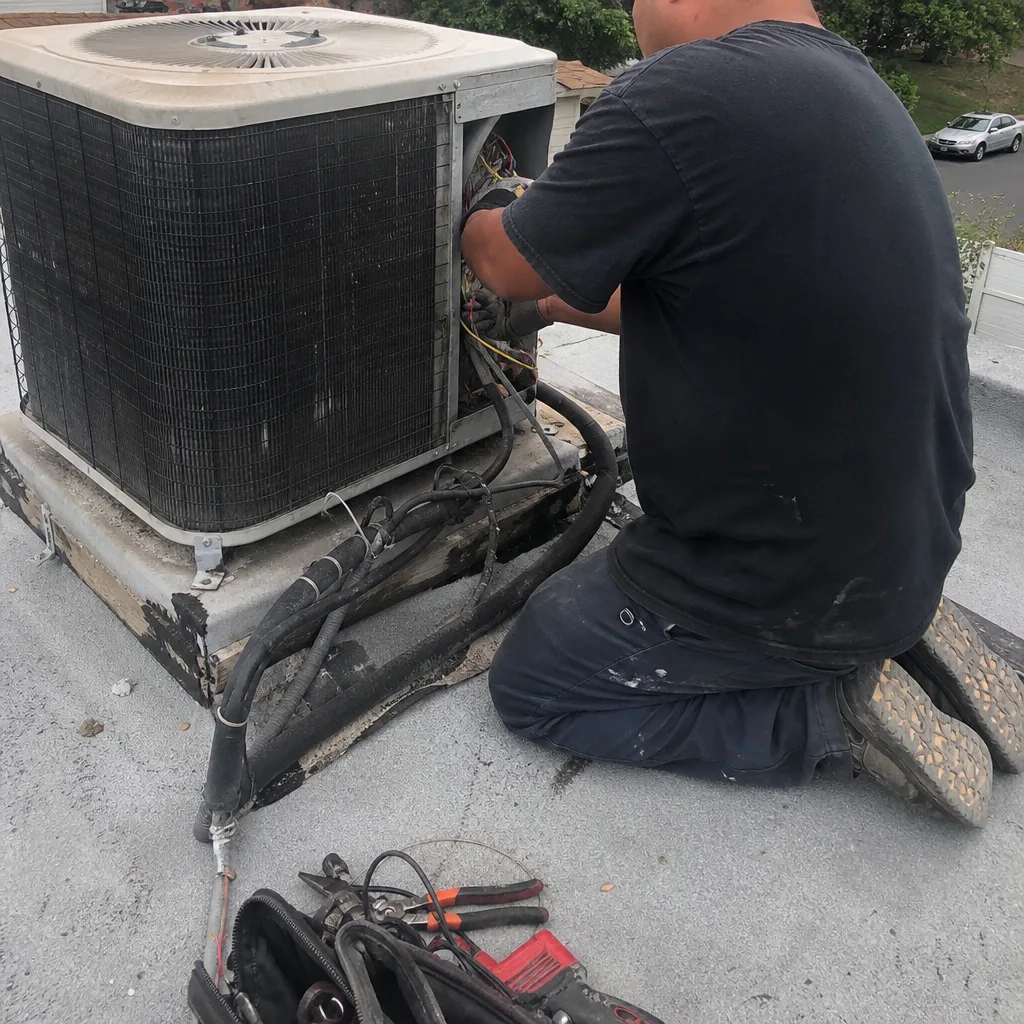 Before
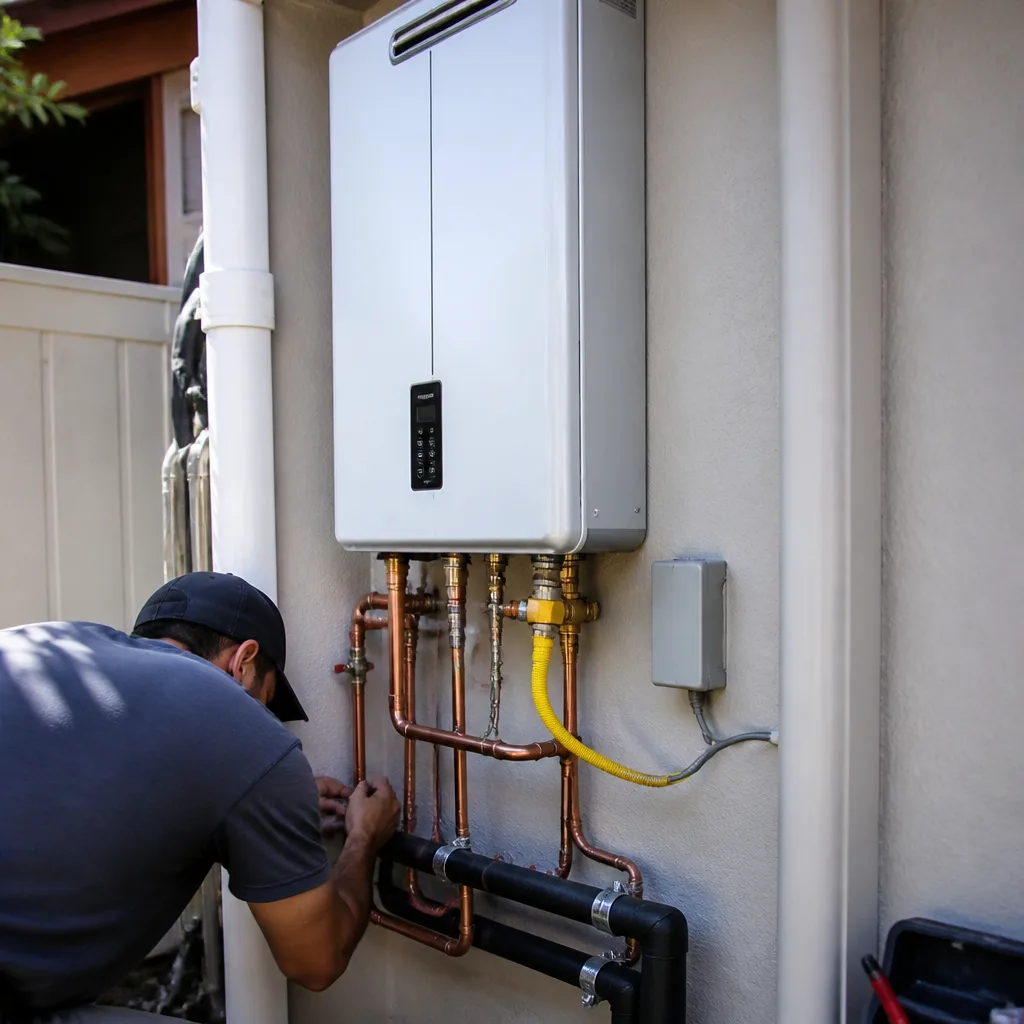 After
After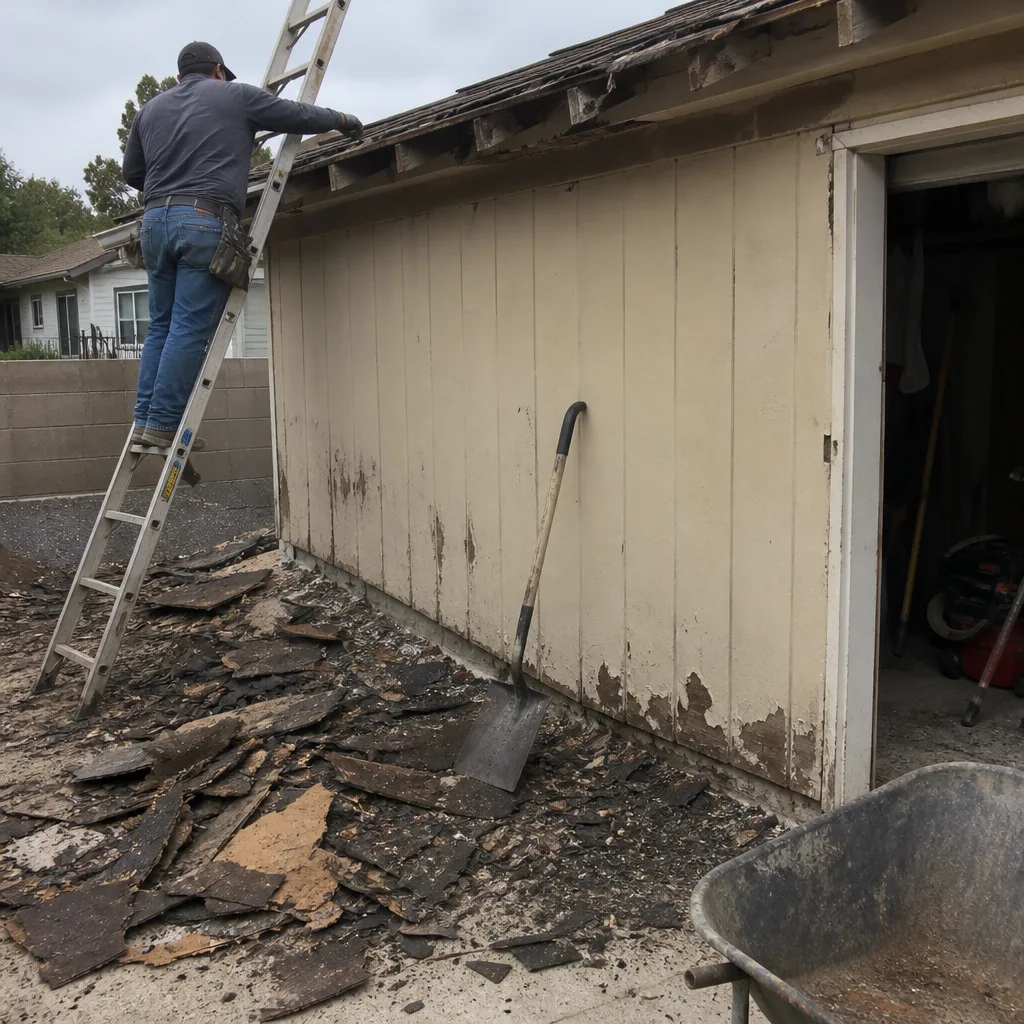 Before
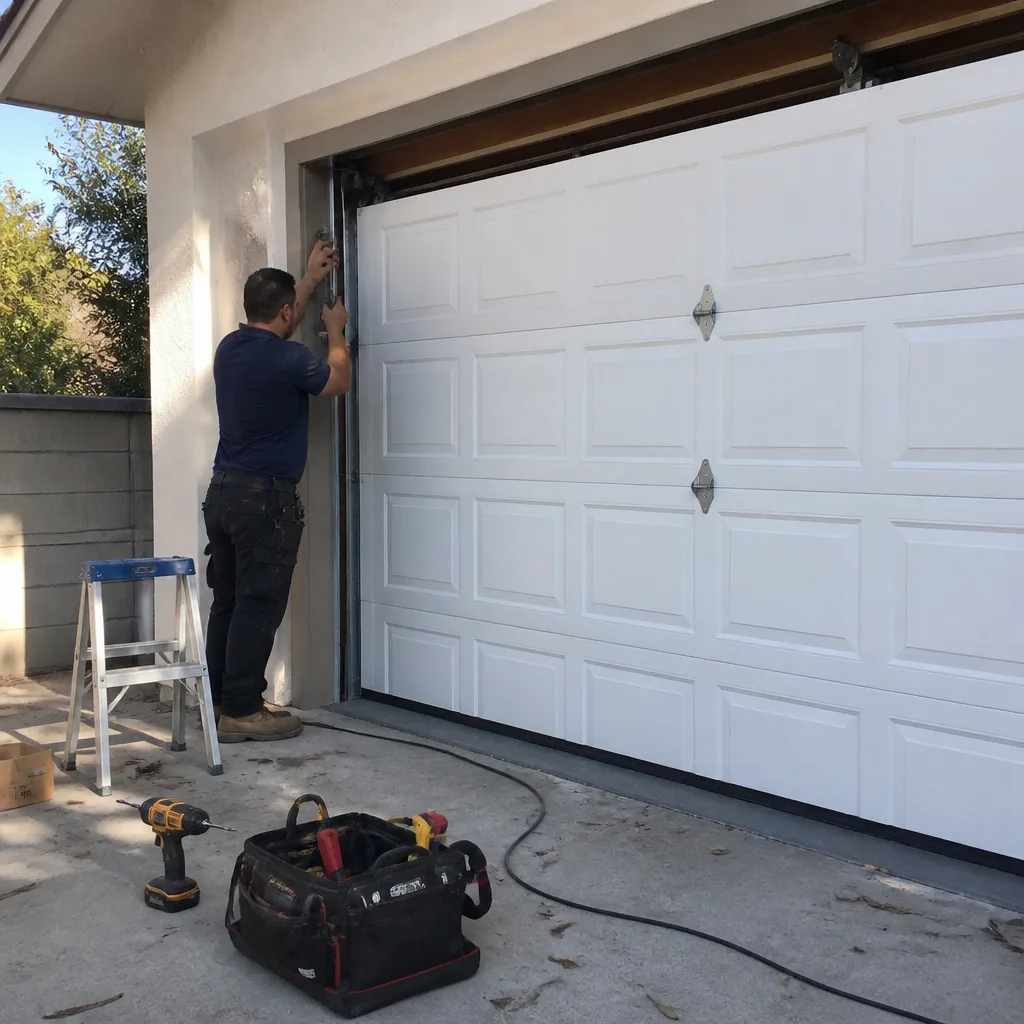 After
After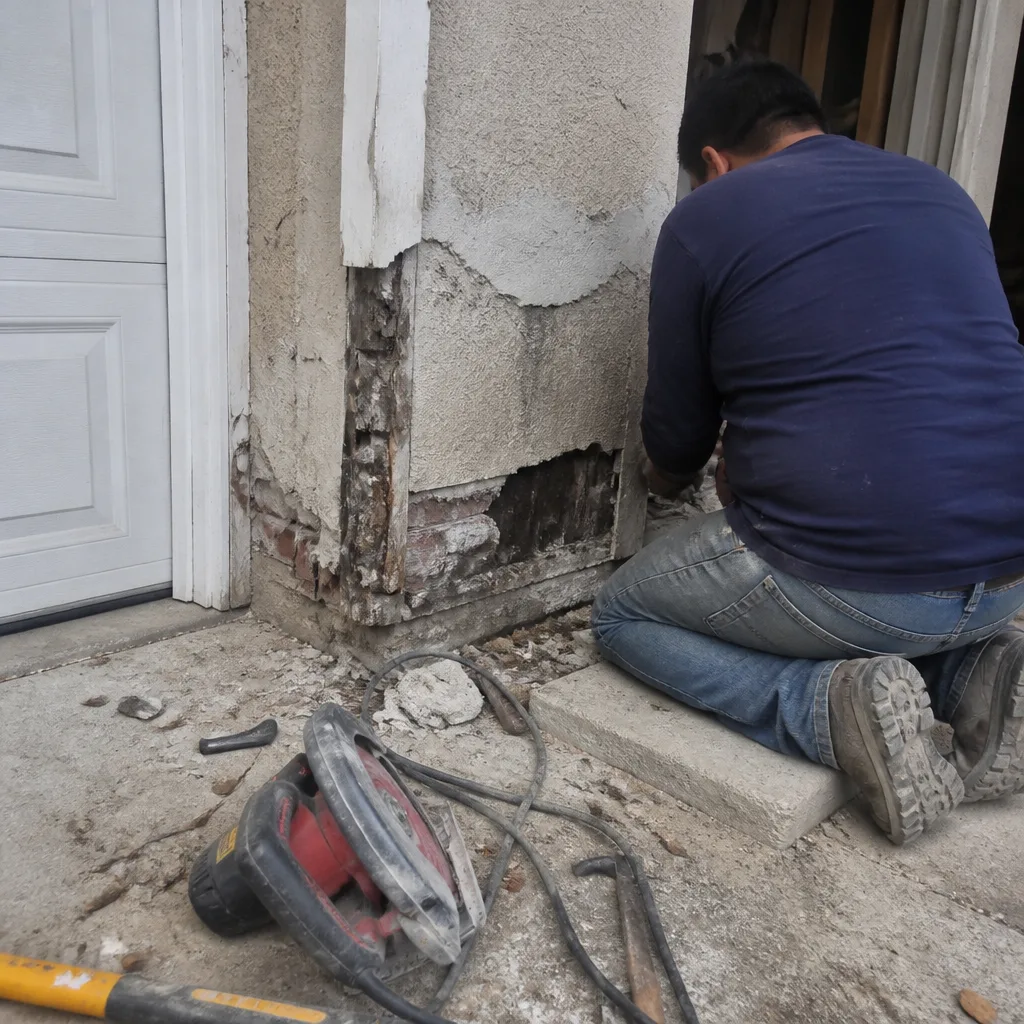 Before
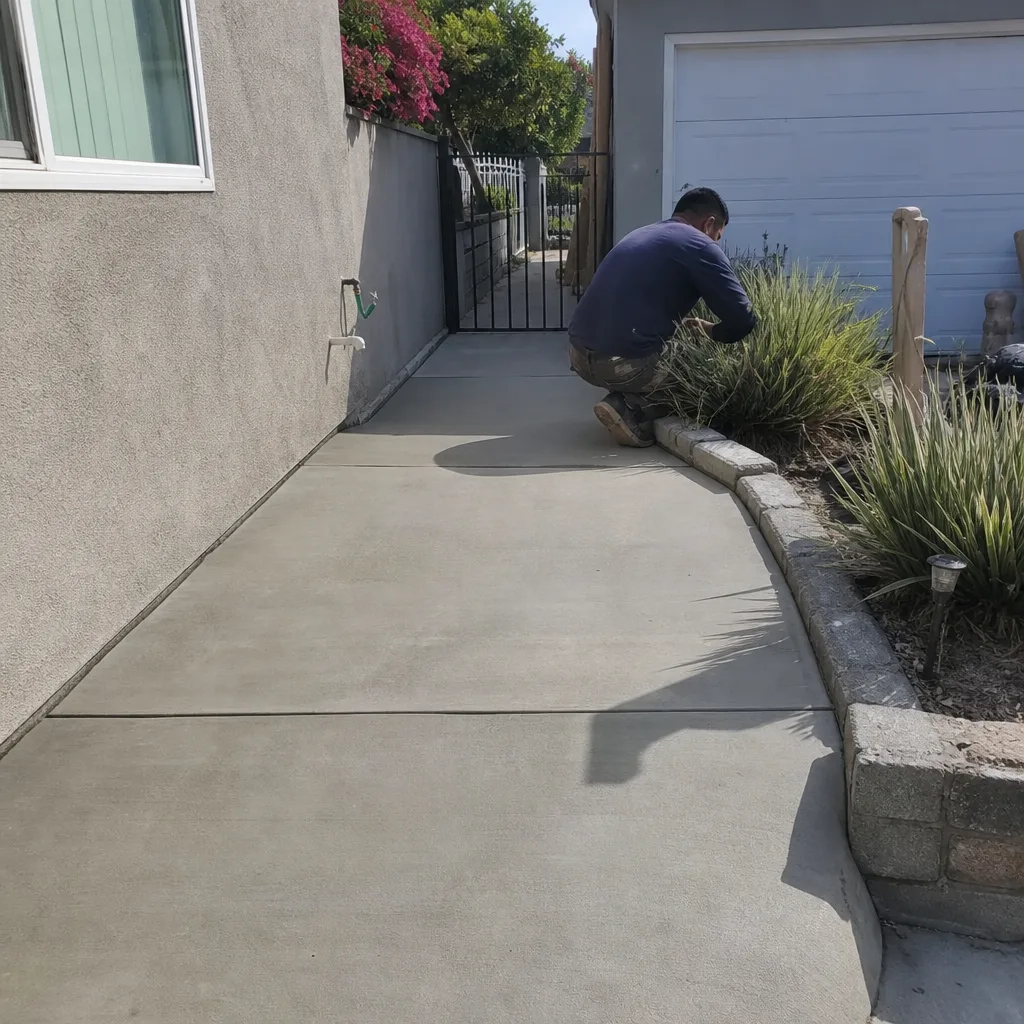 After
After