Last updated October 16, 2026






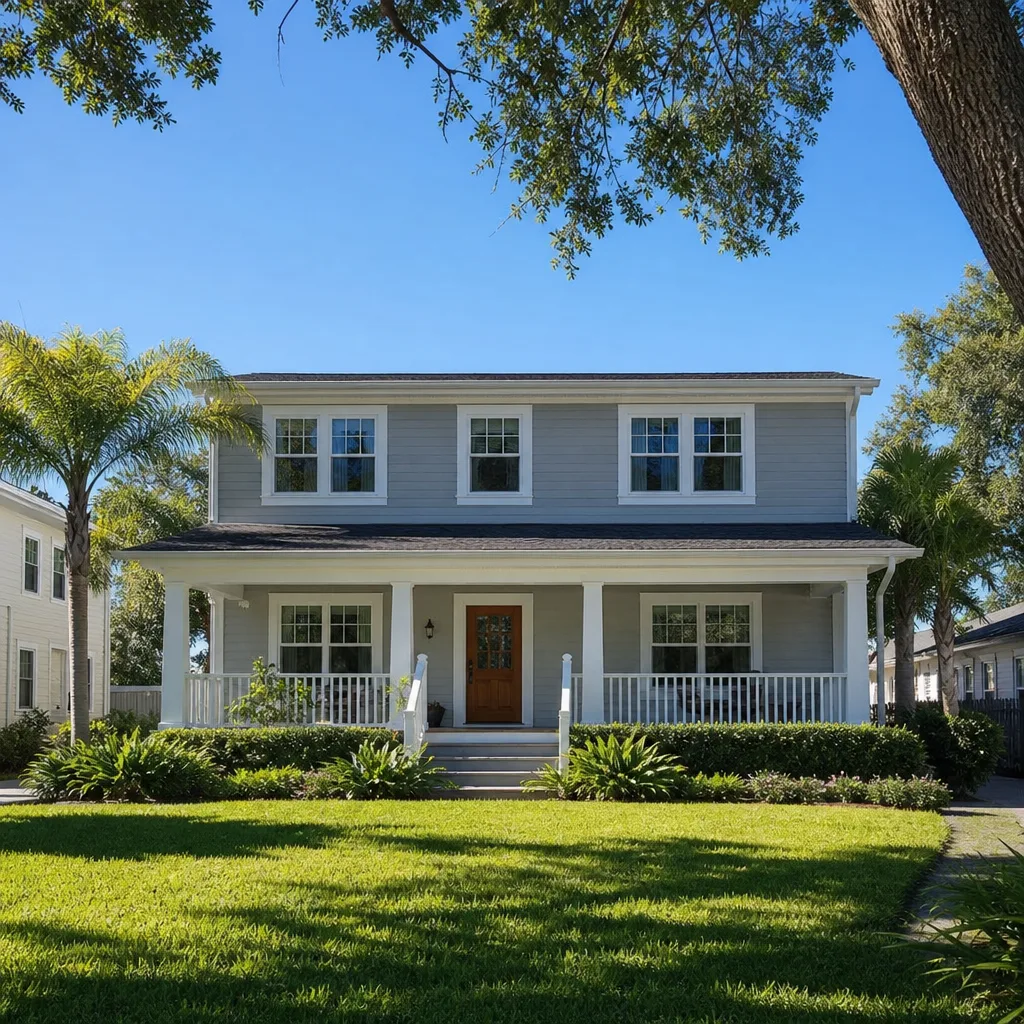

Free written scope consultation - allowances, timeline, and change-order rules on paper before a single trade is scheduled
How to Hire a Construction Contractor in West Covina: A Step-by-Step Guide
California’s Contractors State License Board (CSLB) receives more than 20,000 complaints every year, and the single most common pattern in West Covina is a homeowner who hired based on a verbal quote and a friendly phone call. No written scope, no license check, no paper trail. By the time the project goes sideways, there’s nothing to point to. This guide walks you through the exact steps to hire a construction contractor in West Covina without becoming another statistic, including the four questions that immediately separate professional operations from problem ones, how to verify a license in under a minute, and what California law requires your contract to contain before you sign anything.
Quick Answer
To hire a construction contractor in West Covina, start by verifying their CSLB license at cslb.ca.gov, then request a written itemized bid that matches the same scope across at least three contractors. Before signing, confirm the contract includes the seven required elements under California law (license number, payment schedule, start and end dates, scope of work, change order process, warranty terms, and the right to cancel), and never pay more than 10% or $1,000 upfront, whichever is less. The four questions to ask every contractor before committing: Do you pull permits? Can I see your insurance certificates? What is your payment schedule? What is your communication cadence during the project?
Styles & brands we work with

Table of Contents
- Step 1: Verify the CSLB License in Under 60 Seconds
- What License Classifications Actually Mean for Your West Covina Project
- The Four Questions That Separate Professionals from Problem Contractors
- California Contract Requirements: What Must Be In Writing
- Why the Lowest Bid Is Almost Always a Scope Problem
- What Photo Updates and Live Arrival Times Look Like in Practice
- Permits in West Covina: What Requires One and Who Pulls It
- Red Flag Answers: What a Problem Contractor Says vs. What a Pro Says
- Common Mistakes to Avoid
- When to Call a Professional
- Frequently Asked Questions
- The Bottom Line
Step 1: Verify the CSLB License in Under 60 Seconds
Every contractor working on a project valued at $500 or more in California must hold a valid license from the Contractors State License Board. Checking it takes less than a minute and it is the single highest-leverage action you can take before a first meeting. Here is exactly how to do it:
- Go to cslb.ca.gov and click “Check a License” on the homepage.
- Enter the contractor’s name or license number. Either works.
- Look for three things on the results page: the license status must say “Active”, the expiration date must be in the future, and the business name must match the name on the contractor’s business card and contract.
- Scroll down to check for disclosures. This is where the CSLB lists suspensions, revocations, and any disciplinary actions. A single older complaint might not be disqualifying, but a pattern of unresolved claims is.
- Check workers’ compensation insurance. In West Covina, if a contractor has employees, the CSLB requires proof of workers’ comp on file. If the contractor says they’re a sole proprietor with no employees, that is fine, but it must be accurate. If a worker gets hurt on your property and there’s no coverage, you can be held liable.
The entire check takes under a minute once you know where to click. Do not skip it because the contractor “seemed fine on the phone.” The CSLB database exists specifically because how someone seems on the phone is not a reliable signal. We’ve seen projects in West Covina where homeowners discovered after signing that their contractor’s license had been suspended for a year. The deposit was gone, and the legal recovery process took months.
After verifying the license, ask for a certificate of insurance directly from the contractor’s insurance provider, not a photocopy handed to you. A legitimate contractor will have their agent email it to you the same day. Look for general liability coverage of at least $1 million. This protects your property if something goes wrong during construction.
What License Classifications Actually Mean for Your West Covina Project
The CSLB issues different license classifications, and the one on the contractor’s license tells you what they’re legally allowed to build. Here is a plain-language breakdown of the classifications most relevant to West Covina homeowners:
- Class B – General Building Contractor: This is the classification for contractors who oversee projects involving two or more unrelated trades. If you’re doing a whole-home renovation in West Covina that involves framing, plumbing, electrical, and finishes, you need a Class B. This license allows the contractor to self-perform or subcontract any part of the work. A General Contractor in West Covina with a Class B license is legally allowed to manage your project from foundation to finish.
- Class C – Specialty Contractor: These licenses cover specific trades. A C-36 is plumbing, C-10 is electrical, C-54 is tile, C-33 is painting and decorating. A specialty contractor can only work within their classification. If you hire a C-33 painter to also move a wall and rewire a circuit, they’re working outside their license, which is illegal under California law.
- C-53 – Swimming Pool Contractor: Specific to pool construction, which is a significant project type in West Covina’s residential market given the valley heat. Only a C-53 can build or remodel a pool.
- Dual Classifications: Some companies hold multiple licenses. A remodeler may carry both a B and a C-54 (tile) or C-33 (painting). More classifications often means more work is self-performed rather than subcontracted, though there is nothing wrong with subcontracting when managed correctly.
Confirm the classification matches your project type before you sign. A contractor with only a C-36 plumbing license cannot legally gut and rebuild your bathroom. If they tell you it’s fine, that is a red flag the size of the 10 Freeway at rush hour. You can verify classifications on the same “Check a License” page on the CSLB site, under the “License Classifications” section of the contractor’s profile.
In West Covina specifically, most remodels and additions require a Class B license because they span multiple trades. A bathroom remodel in West Covina often touches plumbing, electrical, tile setting, and finish carpentry, which is exactly what a Class B general contractor is licensed for.
The Four Questions That Separate Professionals from Problem Contractors
After 20 years in this trade, we’ve learned that the difference between a smooth renovation and a nightmare has almost nothing to do with the contractor’s marketing materials. It comes down to how they answer four questions. Ask these before you invite anyone to walk your property. The answers tell you whether you’re dealing with a professional operation or a problem waiting to happen.
Question 1: “Do you pull permits, and will you list them in the contract?”
A legitimate contractor says yes without hesitation and specifies which permits are required and who pays the city fees. They also confirm that the permit will be posted on the property and that a final inspection will be scheduled. A problem contractor says things like “we don’t need a permit for this,” “permits just slow things down,” or “I can do it without a permit and save you money.” In West Covina, unpermitted work becomes a serious problem when you sell. Title companies pull permit records, and buyers routinely back out or demand price reductions when they find unpermitted additions or remodels.
Question 2: “Can I see your certificate of insurance and workers’ comp?”
A professional operation sends certificates directly from their insurance broker within 24 hours. The certificate should name your property address as additionally insured for the duration of the project. A problem contractor says “I’m insured, don’t worry about it,” or produces a faded photocopy with an expired date. No certificate, no contract. It is that simple.
Question 3: “What is your payment schedule?”
A legitimate contractor structures payments against completed milestones, not arbitrary calendar dates. In California, the legal maximum deposit is 10% of the contract price or $1,000, whichever is less. After that, payments should align with completed phases: rough framing, rough electrical and plumbing, drywall, finishes. A problem contractor asks for 30% to 50% upfront, or wants cash payments, or asks you to pay for the entire project before it begins. None of these are acceptable. The payment schedule tells you how the contractor manages their own cash flow. A stable operation doesn’t need your entire project budget to fund the job.
Question 4: “How will I know what’s happening during the project?”
A professional operation can answer this immediately because communication is systematized. They tell you who your point of contact is, how often you’ll get updates, and what those updates contain. In our case, the answer is built into our West Covina remodeling process: a live arrival time before we show up, photo updates before and after each phase, and a digital invoice you pay from a link. A problem contractor says “just call me whenever” or “you’ll see the progress when you get home.” That is not communication. That is hoping you don’t look too closely.
California Contract Requirements: What Must Be In Writing
California law is unusually specific about what a home improvement contract must contain. If a contractor resists putting anything in writing, treat it as a disqualifier. Not a negotiation point. Here are the seven elements required by state law for any residential project over $500:
- The contractor’s CSLB license number, printed on every page of the contract, not just the first one.
- A full description of the work: materials, brand names where specified, finishes, quantities, and a clear scope of what is and isn’t included. “Remodel bathroom” is not a scope of work.
- A payment schedule: specific amounts tied to specific milestones. Percentages with no milestone definitions are not acceptable.
- The approximate start date and estimated completion date. Approximate is acceptable because construction has variables, but a contract with no dates at all is worthless.
- The change order process: how changes to scope are documented, priced, and approved. Every change should generate a written change order signed by both parties before the new work begins.
- Warranty terms: what is covered, for how long, and how claims are processed. Our warranty is explicit: the 365-Day Done Right Promise means if it’s not done right, we make it right. That promise is written into the contract, not spoken over a handshake.
- The right to cancel: California’s Home Solicitation Sales Act gives you three business days to cancel a contract signed in your home. The contract must state this right in writing.
In addition to the legal minimums, insist on two things most problem contractors resist putting in writing. First, a lien release requirement stating that any subcontractor or supplier who works on your project must provide a lien release when paid. Without this, a contractor can pay their subs late or not at all, and the sub can file a mechanic’s lien against your property. Second, a material specification sheet listing brand and model for major items like fixtures and appliances. This is where we specify names like Moen, Delta, American Standard, or Blanco so you know exactly what is going into your home before we order it. If a contractor says “we’ll figure that out later,” later becomes a mystery box of whatever was cheapest at the supply house.
Why the Lowest Bid Is Almost Always a Scope Problem
When three bids come in at $42,000, $45,000, and $31,000, the natural instinct is to wonder what the expensive guys are doing wrong. The more useful question is what the $31,000 bid is leaving out. In 20 years of remodeling in West Covina, we have never once seen a legitimate contractor undercut the market by 25% through superior efficiency. Labor rates, material costs, and permit fees are what they are. The low bid is low because something is missing.
Here is how to compare bids on equal footing:
- Line-item detail: A legitimate bid breaks down costs by phase or category: demo, rough plumbing, electrical, drywall, tile, fixtures, finishes, permits, and project management. A suspicious bid says “remodel bathroom: $31,000.” That is an estimate, not a bid.
- Allowances: Low bids often use unrealistically low allowances for fixtures, tile, and countertops, then hit you with change orders when the allowances are exhausted. Ask what happens when the allowance is gone. The answer should be a written change order you approve before spending another dollar.
- Permit line items: Some low bids simply omit permits entirely, which saves $1,500 to $4,000 on paper. You’ll pay for it when you sell or when an inspector notices work in progress and stops the job.
- Subcontractor quality: Ask who will actually do the work. If the answer is “we have guys,” that is not an answer. In our experience, a bid that is $3,000 lower for the same scope usually means the finish carpenter gets paid less, the tile setter gets paid less, and the corners get cut somewhere you can’t see until six months later.
- Project management: Some bids don’t include a dedicated project manager at all. The contractor is selling the job and then handing it to whoever shows up. We include project oversight, the written price before work starts, and the photo updates as part of every bid, not an add-on.
In West Covina’s competitive remodeling market, bids for the same bathroom remodel can vary by $8,000 to $15,000 depending on what each contractor assumes. The bids aren’t different because the labor is different. They’re different because the scope is different. Compare line items, not bottom lines.
What Photo Updates and Live Arrival Times Look Like in Practice
Yelp stars are a lagging indicator. A contractor can have 4.8 stars and still be uncommunicative on your specific project. A better quality signal is the communication cadence they commit to before you sign. Here is what professional communication looks like in actual practice, not in a brochure:
- Live arrival time: You receive a text or app notification when the technician is en route, including an estimated arrival window measured in minutes, not hours. A professional contractor doesn’t ask you to sit home from 8 to 12 waiting for a knock.
- Photo updates: You receive photos before work begins (existing conditions), during the project (after demo, after rough-in, after drywall), and after completion. This matters for two reasons. It documents the work for warranty purposes, and it shows you what is happening behind walls you’ll never see again once they’re closed up.
- Digital invoicing: You receive an invoice by link, not a paper slip taped to your door or an email asking for a bank transfer. The invoice matches the contracted payment schedule exactly.
- A named point of contact: You know who to call or text with questions, and that person returns messages the same day. The phone is answered by a live person, not a voicemail loop.
This is what the Relay Visibility Guarantee looks like in practice. Every project we run in West Covina operates under the same standard: a live arrival time, photo updates before and after each phase, and a written price before any tool is picked up. You know who is walking into your home, when they’re arriving, and what they’re doing there. If a contractor can’t articulate how they’ll keep you informed, the project will test your patience in ways that have nothing to do with construction quality.
Communication cadence is a better predictor of project satisfaction than any review score. A contractor who updates you proactively catches problems before they compound. A contractor who ghosts for days and then returns five voicemails with excuses is not managing a project, they’re managing you.
Permits in West Covina: What Requires One and Who Pulls It
The City of West Covina requires building permits for most construction work beyond cosmetic surface changes. Replacing a faucet or repainting a bedroom does not require a permit. Moving a wall, relocating plumbing fixtures, adding an electrical circuit, changing rooflines, or expanding square footage always does. This is not a gray area, and the city’s plan check process exists to protect you, not to inconvenience you.
Common projects in West Covina that require permits include:
- Bathroom remodels that move plumbing fixtures or alter load-bearing walls
- Kitchen remodels that relocate gas lines, change electrical circuits, or remove walls
- Room additions of any size, including garage conversions
- New roof installations on existing structures
- Window or door replacements that change openings in exterior walls
- Electrical panel upgrades or service changes
- Any work that changes the footprint or structural system of the home
The contractor should pull the permit in their name, not yours. When the permit is in the contractor’s name, the contractor is legally responsible for the work passing inspection. When the permit is in your name and the work fails, the liability lands on you. Some contractors ask homeowners to pull permits as “owner-builders” to avoid scrutiny of their own license. This is a red flag, not a favor.
West Covina’s permit fees vary by project valuation, and the plan check process can take anywhere from a few days for a simple bathroom remodel to several weeks for a whole-home renovation in West Covina. A professional contractor builds this timeline into the project schedule and communicates it clearly. The permit is not an annoying delay; it is the city confirming the work meets code before it gets buried behind drywall.
Red Flag Answers: What a Problem Contractor Says vs. What a Pro Says
The four questions above work because problem contractors answer them in predictable ways. Here is a direct comparison of what you should hear versus what should end the conversation:
On Permits
Problem contractor: “We don’t need a permit for this. The city just wants your money.”
Professional: “This project requires a building permit, and I’ll pull it in my name. The fee is about $900 and we’ll line-item it in the contract. Inspections will happen at rough-in and final.”
On Insurance
Problem contractor: “Yeah, we’re insured. I’ll send you something.” (It never arrives.)
Professional: “I’ll have my insurance broker email you a certificate today. It’ll name your address as additionally insured. Workers’ comp is active for anyone on your property.”
On Payment Schedule
Problem contractor: “We need 50% to get started. Materials are expensive right now.”
Professional: “The deposit is 10% as required by California law. After that, payments align with completed work: rough-in, drywall, finishes. You’ll see what you’re paying for before you pay.”
On Timeline
Problem contractor: “We’ll get it done. Don’t worry about it.”
Professional: “We schedule a start date before we sign, and we estimate completion at six weeks from that date. Here’s the phase breakdown with a realistic buffer for inspections.”
Listen to how the answers make you feel. A problem contractor makes you feel like you’re being difficult for asking. A professional makes you feel like these are questions every smart homeowner asks. The goal is not to find a contractor who never has challenges. The goal is to find one who tells you about challenges before you discover them yourself.
Common Mistakes to Avoid
- Signing before verifying the license. The CSLB check takes 60 seconds. Signing a contract with an unlicensed or suspended contractor means you lose the CSLB’s dispute resolution process entirely. Without a license, there is no legal requirement for the contractor to honor the contract terms.
- Accepting a verbal quote. In California, a verbal quote is worth the air it traveled through. If a contractor won’t put the number in writing before starting, the number at the end will not match the number at the beginning.
- Paying more than the legal deposit. The law exists because homeowners get burned. A contractor asking for 30% upfront is running their business on your project’s float. That is a business model problem, not a scheduling urgency.
- Skipping the lien release. This is the most common mistake in West Covina, and it is the easiest to prevent. Require conditional lien releases from every sub and supplier before you release payment at each milestone. Without this, a sub who wasn’t paid can put a mechanic’s lien on your property even though you paid the general contractor in full.
- Using the lowest bid without comparing scope. The $31,000 bid is almost always missing permits, allowances, or a phase of work. Compare line items, not total numbers.
- Ignoring communication red flags before the project starts. If the contractor doesn’t return your calls during the bidding process, that is the relationship. It doesn’t improve once they have your money.
- Hiring based on friendship or referral alone. A referral helps, but it doesn’t replace the license check, insurance verification, written contract, and the four questions. The stakes too high to skip steps because your neighbor’s cousin “does good work.”
When to Call a Professional
Some projects in West Covina are genuinely DIY-able: painting a guest room, replacing a faucet cartridge, swapping cabinet hardware. But when a project touches structure, plumbing, electrical, or the building envelope, it warrants a licensed professional. A bathroom remodel that moves a drain line is not a weekend project. A kitchen renovation that relocates a gas line is not something to figure out from a YouTube tutorial. If you’re considering a bathroom remodel in West Covina or a full-scale home renovation, hire someone who carries the license, pulls the permits, and puts the price in writing. Sawyer Remodel West Covina offers free estimates in West Covina, call (341) 217-4204. If a project touches anything structural or involves permits and inspections, professional oversight is not an upgrade, it’s the baseline.
Frequently Asked Questions

General contractor fees in West Covina typically run 15% to 25% of the total project cost, depending on project size and complexity. For a $25,000 bathroom remodel, that translates to roughly $3,750 to $6,250 in contractor overhead and project management. A whole-home renovation with a larger scope often sits at the lower end of that percentage range. Call (341) 217-4204 for an exact quote, estimates are free.
Yes, if the project moves plumbing fixtures, changes electrical circuits, or alters walls. The City of West Covina requires permits for any remodel that affects structural, plumbing, or electrical systems. Cosmetic changes like paint and fixtures don’t need permits. Your contractor should pull the permit in their name.
California law caps the deposit at 10% of the contract price or $1,000, whichever is less. Any contractor asking for more than this is violating state law, regardless of what they say about material costs or scheduling. After the deposit, payments should be tied to completed milestones.
Go to cslb.ca.gov and click “Check a License.” Enter the contractor’s name or license number. Confirm the status says “Active,” the expiration date is in the future, and the business name matches what’s on the contract. Check the disclosures section for any disciplinary history.
Yes. California’s Home Solicitation Sales Act gives you three business days to cancel a home improvement contract signed in your home, for any reason. The cancellation right must be stated in writing in the contract itself. It applies even if the contractor has already started work.
A general contractor manages the entire project: pulling permits, scheduling subcontractors, ordering materials, coordinating inspections, and maintaining the project timeline. They are your single point of contact and the party legally responsible for the work. We run every project under the relay standard for general contracting in West Covina: live arrival time, photo updates, and a written price before work starts.
The Bottom Line
Hiring a contractor in West Covina comes down to one discipline: verify everything before you commit. Check the license. Screen the answers to the four questions. Get the price and the scope in writing. Structure payments around completed work, not promises. None of this is complicated, but all of it matters. A good contractor wants you to ask these questions because the answers demonstrate they run a real operation. A problem contractor deflects, delays, and hopes you’ll get tired of asking. One more time: the price, the schedule, the permit responsibility, and the communication cadence should all be written into the contract before any tool leaves a truck. If you’re ready to get started, call (341) 217-4204 for a free estimate.
Written by Luca Romano, Owner at Sawyer Remodel West Covina, serving West Covina since 2005.
See the difference
 Before
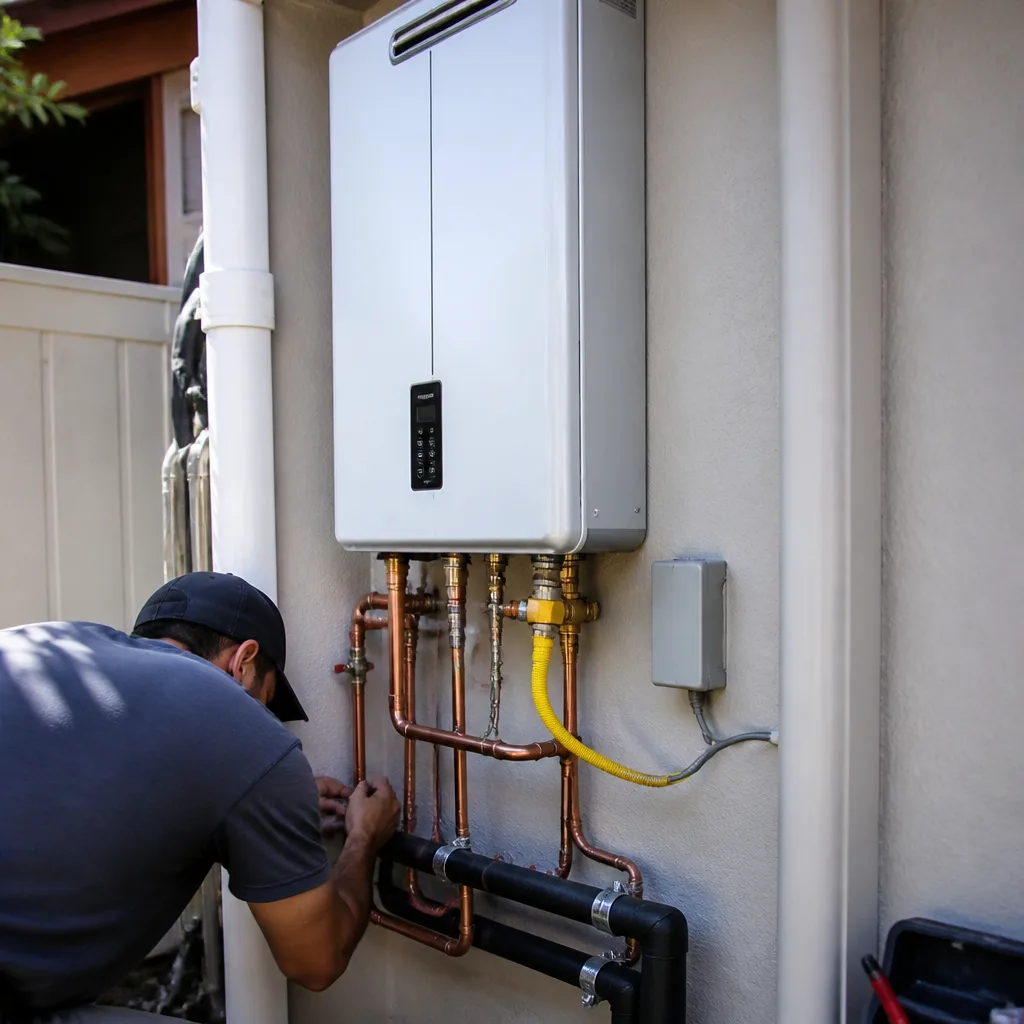 After
After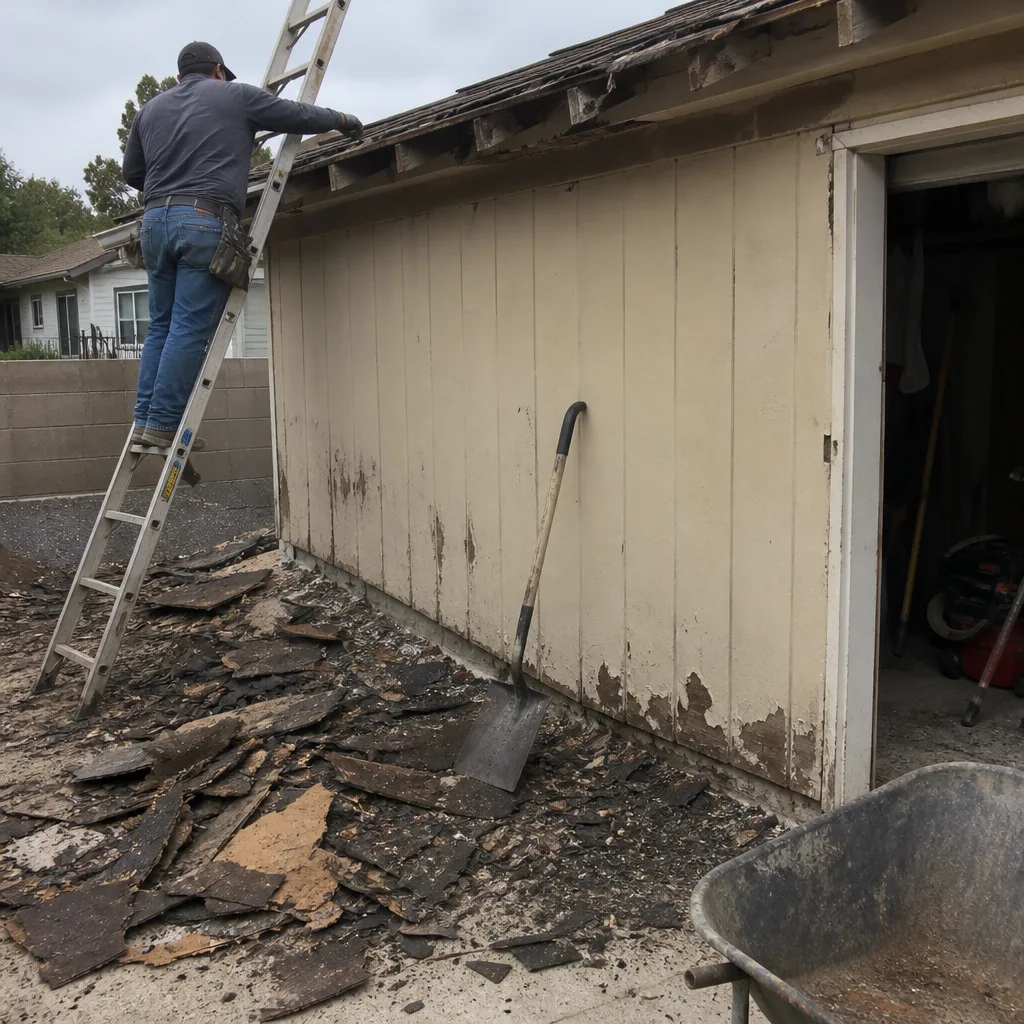 Before
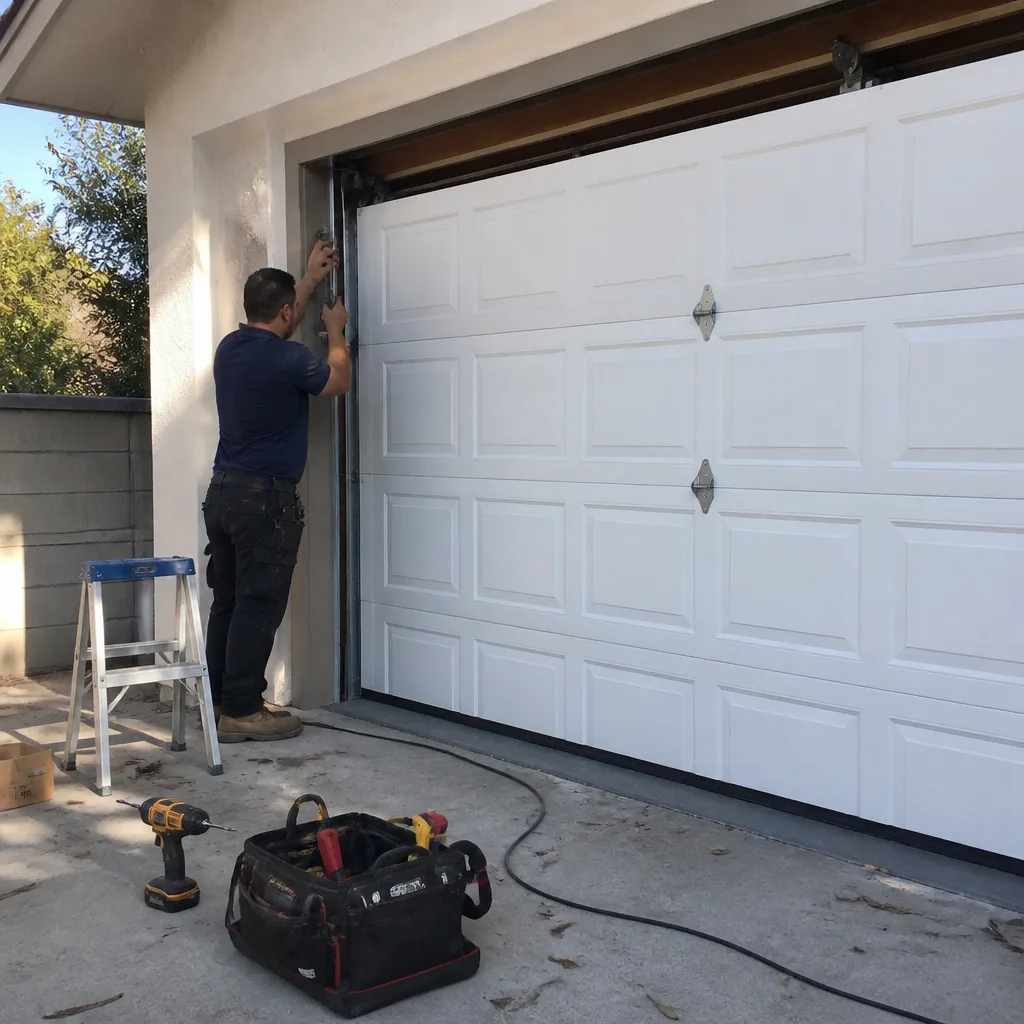 After
After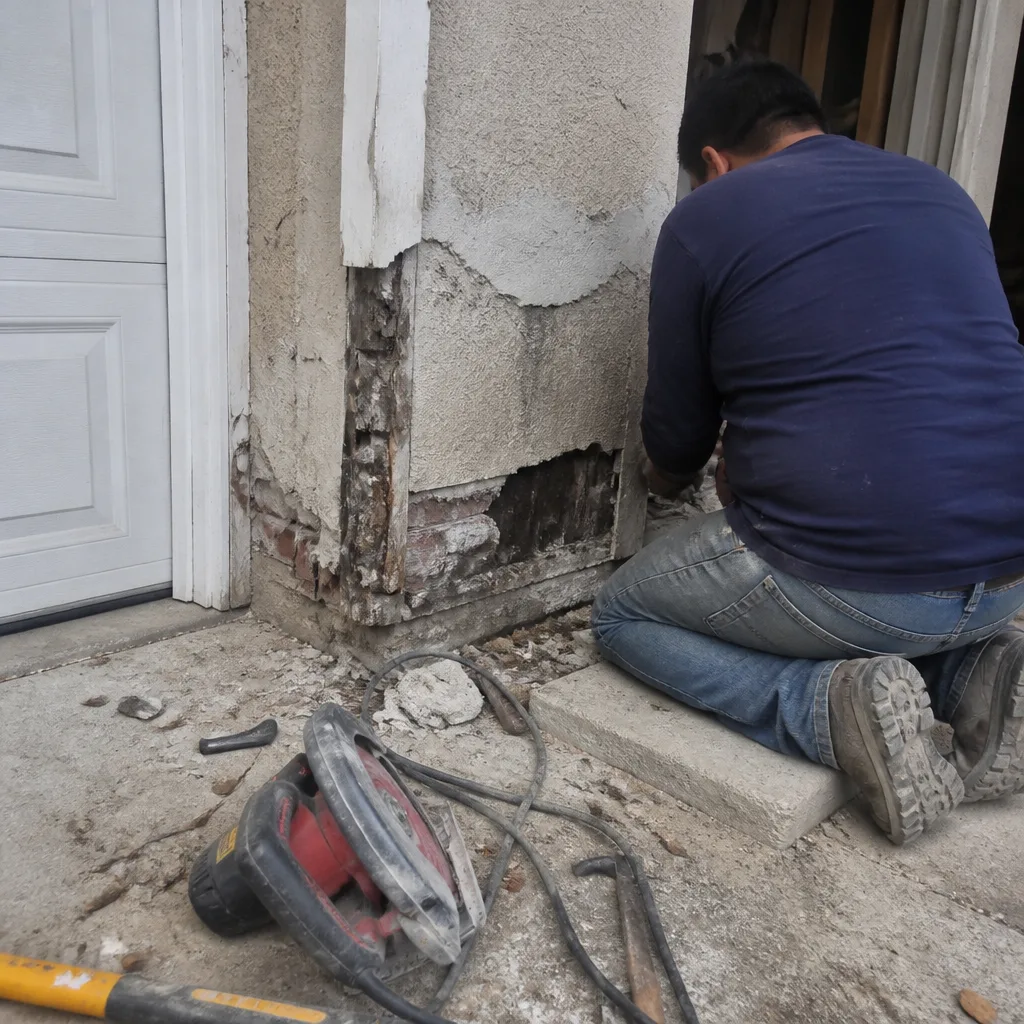 Before
 After
After