Last updated October 16, 2026






Free written scope consultation - allowances, timeline, and change-order rules on paper before a single trade is scheduled
Seasonal Construction Care for West Covina: Year-Round Homeowner’s Guide
West Covina averages just under 18 inches of rain a year, which sounds forgiving until you realize most of it falls in a four-month window after eight months of dry heat. That pattern is exactly what punishes houses here: stucco expands and contracts, roof membranes bake hard, and then the first real storm presses water into every seam that opened up over summer. This guide walks you through the full 12-month cycle of what moves, what cracks, and what to check before the next season does its worst. We’re writing it from West Covina, where we’ve worked on these homes for close to two decades.
Styles & brands we work with





Quick Answer
The most important seasonal maintenance in West Covina is preventive and timed to two events: Santa Ana wind season (roughly October through December) and the first heavy rains (typically December through February). Check rooflines, flashing, vents, and stucco seams before each of these windows. The single most valuable habit is a fall roof-to-wall junction inspection, because that one seam causes more emergency repair calls than any other part of a West Covina home.
Table of Contents
- Santa Ana Wind Season: What to Check Before the Gusts Arrive
- Winter Rain on Stucco: Why West Covina Walls Fail Differently
- Summer Heat, Flat Roofs, and Attic Performance
- The Spring Task That Prevents the Fall Emergency: Roof-to-Wall Junctions
- A 12-Month Contractor Touchpoint Calendar for West Covina
- When Aging Materials Dictate the Schedule, Not the Calendar
- Permits, Code, and What a West Covina Homeowner Should Know
- Common Mistakes to Avoid
Santa Ana Wind Season: What to Check Before the Gusts Arrive
Santa Ana winds hit West Covina with gusts that regularly top 40 mph and occasionally reach 60 in the foothill-adjacent neighborhoods. These winds don’t just rattle fences. They lift shingles, peel flashing, and turn unsealed vents into pressure points that force dust and ember-sized debris into your attic. The prep window is short, and it starts before the first red flag warning, not after.
What we check on rooflines before wind season, in order of how often we find problems:
- Ridge caps and hip shingles. These are the shingles at the very top and along roof angles. They catch wind first. If they’ve been cooking in summer heat for a decade, the adhesive strip underneath has given up, and a 50 mph gust will peel them like a lid off a can.
- Roof vents and turbine heads. Turbines spin, bearings wear, and a loose turbine in high wind turns into a wobbling metal wreck that rips the flashing around it. Static vents need their screens checked for rust and gaps.
- Exterior cladding, especially the west and north faces. The wind doesn’t push walls over, but it does drive debris sideways. James Hardie fiber cement siding holds up well, but older wood lap siding and any loose stucco corners take a beating.
- Anything attached to the house. Satellite dishes, patio covers, old antenna mounts, and gutter screws. These all become missiles when the wind gets under them.
One thing most West Covina homeowners don’t realize: Santa Ana winds are dry. That’s why they arrive with red flag warnings. The danger to your house isn’t water, it’s abrasion and uplift. A loose vent that doesn’t leak in a rainstorm can still let a wind-driven ember or a family of roof rats inside during a Santa Ana event. We’ve opened attics in West Covina after wind season and found a half-inch of fine dust settled over everything because a single soffit vent screen had pulled loose.
We treat wind prep as a construction inspection, not a chore list. The checks take about 45 minutes with a ladder and a flashlight, and they’re the same checks we make before any home renovation project in West Covina, because wind damage hides in the same spots renovation surprises do.
Winter Rain on Stucco: Why West Covina Walls Fail Differently
West Covina’s housing stock is overwhelmingly stucco, and stucco handles rain differently than wood siding or vinyl. Wood gets visibly wet. Vinyl sheds water at the surface. Stucco, especially the three-coat stucco on homes built from the 1950s through the 1980s, is porous. It absorbs water slowly, releases it slowly, and hides damage in a way that wood never does.
The failure mode we see most in West Covina after winter rains is not a dramatic leak. It’s slow migration. Water enters through hairline cracks, works its way down behind the stucco, and finds the weep screed (the metal flashing at the base of the wall). If that weep screed is buried under soil, covered by a planter, or painted shut with decades of exterior paint, the water has no exit. It sits against the framing for weeks. That’s how a wall that looks dry on the outside grows mold on the inside.
Winter readiness for stucco-clad homes in West Covina means four specific checks:
- Hairline cracks at window corners and door headers. These are the first places stucco cracks, because those openings flex more than the field of the wall. A crack wider than a credit card edge is an entry point.
- The weep screed line. Every stucco wall should show a thin metal edge near the ground. If you can’t see yours, it’s buried. That’s the single most common winter rain problem we correct on West Covina homes.
- Where patios and planters meet the wall. Concrete patios poured against stucco block the drainage path. Builders in the 60s and 70s didn’t always leave the required gap, and those homes are now 50 to 60 years old.
- Roof-to-wall stucco intersections. Where a stucco parapet meets a flat roof, or where stucco butts against roof shingles, the sealant is the weak point. We cover this in more depth below, because it’s the most expensive skip.
If you own a newer home with an acrylic or synthetic stucco system (common in West Covina’s subdivisions built after 1990), the physics is similar but the tolerance for trapped water is actually lower. Synthetic systems seal tighter, which means any water that does get in has fewer places to go.
Sealing stucco for winter isn’t about painting it with a waterproof coating. In fact, sealing stucco with the wrong product traps moisture inside the wall and accelerates the damage. What actually works is repairing the cracks with an appropriate elastomeric sealant, clearing the drainage paths, and making sure the flashing details where stucco meets the roof, windows, and doors are intact. It’s a detail-oriented job, and it’s the difference between a wall that lasts 60 years and one that rots from the inside out.
Summer Heat, Flat Roofs, and Attic Performance
West Covina summers routinely push past 95 degrees, and July and August bring stretches where the roof surface temperature reaches 150 degrees or more. That’s the environment your roof lives in, and it’s a different stress test than winter rain.
Flat and low-slope roofs, which are common on West Covina homes built in the mid-century ranch style and the 1970s and 80s two-story designs, take the worst of it. The sun doesn’t hit them at an angle. It hits them straight on, all day. Built-up roofs and modified bitumen membranes expand and contract through that daily heat cycle, and over 15 or 20 years the membrane eventually splits at seams or pulls away at the parapets.
What summer heat actually does to your house, in construction terms:
- Roof membranes cure hard and become brittle. A roof that flexed fine in year five can split in year fifteen because the UV exposure cooked the oils out of it.
- Attic temperatures exceed 130 degrees. That heat radiation pushes down through the ceiling, makes your HVAC work harder, and shortens the life of whatever insulation sits up there. Blown-in fiberglass settles. Batt insulation shifts. Every degree above 120 in the attic costs you money in cooling.
- Flashings and sealants dry out. Metal flashings don’t care about heat, but the sealants around them do. Polyurethane and silicone sealants have a service life, and a West Covina summer spends that life faster than a coastal summer would.
- Anything touching the roof pays the price. HVAC condensers mounted on flat-roof platforms, plumbing vent stacks, and satellite mounts all conduct heat and stress the roof membrane around them.
The practical takeaway: summer is when you inspect your flat or low-slope roof, not just when you notice a stain on the ceiling in January. A split membrane found in July is a repair. A split membrane found after it rains in December is a new ceiling, new insulation, and a water damage remediation bill. The general contractor that handles your West Covina roof work should be comfortable checking both the mechanical layer and the waterproofing layer, because flat roof problems are rarely one or the other.
The Spring Task That Prevents the Fall Emergency: Roof-to-Wall Junctions
Every roofer in Southern California will tell you the same thing if you ask where leaks actually start: where the roof meets a vertical wall. On a West Covina home, that means the point where shingles meet an exterior wall, where a flat roof meets a parapet, or where a garage roof ties into the main house. It’s a seam, and every seam moves.
What makes this junction so vulnerable is the intersection of two different materials with two different expansion rates. The roof expands and contracts on a summer day. The wall, protected from direct sun in some spots and hit hard in others, moves on a different rhythm. The metal flashing between them has to flex with both, and the sealant that protects the flashing’s top edge breaks down first.
Here’s why spring is the right time to inspect this junction, and why skipping it is the most common and most expensive mistake we see from West Covina homeowners:
- Spring is after winter rain but before summer heat. If water got in during the recent rain season, the evidence is still visible: stained sheathing, soft framing, damp insulation. By July, it dries and hides.
- You have a six-month runway to fix it before the next rain season. Finding a failed junction in October means a rush repair during the busiest season of the year. Finding it in April means scheduling on your timeline and comparing written prices without pressure.
- Spring weather lets sealants and flashing materials cure properly. Most roofing sealants and coatings need specific temperature and humidity ranges to adhere and cure. Spring in West Covina offers those conditions. Summer heat can cause sealants to cure too fast, which weakens the bond.
- You’ll catch the damage while it’s contained. A junction leak that’s been active for one winter is a flashing detail repair. The same leak after three winters has rotted the top plates of the wall frame, and now you’re doing structural work.
When we inspect roof-to-wall junctions, we’re looking at the step flashing (they should lap over each other like shingles), the counterflashing (the metal embedded in the wall above), and the sealant line along the top edge. Any separation, rust stain, cracked sealant, or missing flashing is a red flag. This is also the inspection that tells you whether a previous contractor’s repair actually addressed the problem or just caulked over it and left. Silicone smeared across a flashing gap looks fine for a few months. Then the sun hits it, the silicone shrinks, and the leak comes back.
A 12-Month Contractor Touchpoint Calendar for West Covina
Planned calls beat panic calls. Here is the calendar we recommend to homeowners who want to run maintenance on a schedule instead of on an emergency basis. It accounts for West Covina’s actual weather pattern, not a generic four-season template.
January – February: Post-Rain Inspection
After the season’s first heavy storms, inspect ceilings, attic spaces, and the underside of roof eaves for water marks. Check stucco walls around windows for hairline cracks that opened during the rain. If you find anything, document it with photos and call for a written repair estimate. This is the time when damage is freshest and easiest to trace.
March – April: Roof-to-Wall Junction and Flashing Review
This is the spring inspection detailed in the section above. Also a good window for checking gutters and downspouts, because April in West Covina is dry enough to actually fix them before next winter. Any flashing work done now has six months to cure before rain returns.
May – June: Exterior Cladding and Paint Assessment
With the rainy season behind us and the heat not yet peaked, this is the time to evaluate stucco, siding, and exterior caulking. Any cracks sealed now will stay sealed through the dry summer. If you’re planning a repaint or exterior renovation, start the written-price conversation before July, because the summer schedule books up fast.
July – August: Attic and Insulation Check
The attic is at its hottest, which makes it the easiest time to evaluate insulation performance and identify heat leaks. If rooms feel hotter than the thermostat says, or the AC runs constantly on peak days, your attic is part of the problem. A construction-level review of attic ventilation, insulation depth, and roof surface condition now prevents a January ceiling stain.
September: Santa Ana Season Prep
The wind season usually starts in October, so September is the time to walk the property and check everything that could catch wind: roof tiles, vents, turbine heads, patio covers, fence gates, and any loose exterior hardware. Schedule roof work now if anything looks questionable, because once the winds start, no roofing contractor is doing safe ladder work on a windy day, and the schedule tightens.
October – December: Pre-Rain and Wind Monitoring
This is the season where storms intersect with Santa Ana events, and houses face their greatest annual stress. Keep an eye on the first heavy rain’s behavior: where does water pool, what gutters overflow, which walls darken with moisture. Any of those observations are valuable information for your next scheduled maintenance call.
If this calendar feels like more than you want to manage, that’s what a trusted general contractor in West Covina is for. We tell our clients that a one-hour inspection now is cheaper than a ceiling replacement later, and we’d rather check a small thing than fix a big one.
When Aging Materials Dictate the Schedule, Not the Calendar
West Covina’s building stock spans several eras, and each era has materials that are now reaching or passing their natural service life. That one fact changes the maintenance conversation more than any weather pattern. When a system is past its intended lifespan, the seasonal calendar becomes secondary to replacement planning.
What we mean, in concrete terms:
- Three-tab shingle roofs from the 1980s and 1990s. Three-tab shingles have a 20 to 25 year lifespan. A roof installed in 1995 is now 30 years old. No amount of seasonal inspection changes the math. Those roofs are in replacement territory, and the question isn’t whether they’ll fail, but when and how expensively.
- Stucco walls on homes built before 1980. The stucco itself can last indefinitely if maintained, but the underlying building paper, the flashing details, and the drainage systems from that era were built to different standards. A 1965 West Covina rancher’s walls may be due for full recladding.
- Single-pane aluminum windows from the original construction. These lose energy efficiency from day one, but by year 40 or 50 the seals, tracks, and thermal performance are all failing. Replacement with a modern system, from brands like ES Windows or ECO Window Systems, changes both comfort and maintenance needs.
- Flat roof membranes from the late 1990s and early 2000s. Depending on the material, a modified bitumen roof lasts 15 to 25 years. West Covina homes that saw new roofs in the early 2000s are crossing that line now.
- Galvanized plumbing and original electrical panels on 1960s homes. Not seasonal, but the same principle applies: when the system is past its service life, maintenance stops being the right strategy. A home renovation in West Covina that updates these systems is the correct move, not another round of patch repairs.
The honest message we give homeowners: if you’re spending more than $500 a year on emergency repairs to the same system, that system is telling you something. The seasonal guide works for homes in decent condition. For homes where the materials have aged out, the calendar is less important than the replacement budget.
Permits, Code, and What a West Covina Homeowner Should Know
Most seasonal maintenance doesn’t require permits. Cleaning gutters, sealing cracks, checking flashing, and clearing weep screeds are all routine. But the moment a repair crosses from maintenance to structural or system replacement, West Covina’s building department comes into play, and understanding the line matters.
Here’s the practical breakdown:
- Roof repairs that involve replacing more than a small section of the roofing material typically require a permit. A full roof replacement always does. The permit ensures the work meets current California building codes, including the cool roof standards that apply to new roofing in our climate zone.
- Stucco repair that extends into weatherproofing or structural remediation may require a permit if the lath or framing is exposed. Cosmetic patching doesn’t, but if the repair involves the building paper or drainage plane, that’s a different scope.
- Window replacements require permits in West Covina because they affect the building envelope and must meet current energy and egress requirements. Brands like CWS and CGI make replacement windows that meet California’s Title 24 energy standards, but the installation still has to be permitted.
- Any work involving the structural frame (rafter tails, top plates, load-bearing walls) always requires a permit and often an engineer’s letter, because the repair affects the integrity of the structure itself.
We pull permits on every project that requires them, and we tell homeowners upfront whether their job falls into maintenance or replacement territory. If a contractor tells you a re-roof or a window replacement doesn’t need a permit in West Covina, that’s a red flag. For the full scope of what a remodel or repair looks like in terms of timeline and cost, our team at Sawyer Remodel West Covina home walks through the details in the written estimate, before any work starts.
Common Mistakes to Avoid
- Skipping the fall gutter cleaning in West Covina because “it doesn’t rain that much.” When the first storm hits after eight dry months, clogged gutters overflow directly onto stucco walls and foundation edges. The damage starts during that first storm, not during a rainy season that never comes.
- Painting over stucco cracks with exterior house paint. The paint seals the surface but doesn’t fill or bridge the crack. Water still enters, and now the paint traps it. Cracks need elastomeric sealant or proper repair, never just a coat of color.
- Ignoring buried weep screeds. Most West Covina homeowners don’t know what a weep screed is, which is exactly why the failure goes unnoticed for years. If the metal edge at the bottom of your stucco walls isn’t visible, make a note and get an inspection.
- Waiting until a roof leak shows up inside the house before calling anyone. By the time water stains a ceiling, it’s traveled through the roof deck, the insulation, and the drywall. The repair bill is three or four times what it would have been if the roof had been checked during the dry season.
- Hiring the cheapest bid for a flashing repair without understanding what the repair includes. A $200 caulk job and a $900 counterflashing replacement look similar on day one. They behave very differently two winters later. Get the written scope, not just the number.
- Using the same contractor for every type of problem without verifying what they actually know. A handyman who can patch stucco may know nothing about flat-roof membranes. A roofer may know nothing about stucco drainage. West Covina homes need someone who understands the whole building envelope, because the problems overlap.
- Deferring maintenance on aging systems because nothing has failed yet. Roofs, windows, and stucco all fail on a schedule. Waiting until failure costs more than scheduling replacement, and in West Covina’s market, replacement materials and labor costs have climbed steadily. The cost curve doesn’t reward patience.
When to Call a Professional
Some inspections are DIY-friendly: checking for visible cracks, clearing gutters from ground level with a professional-grade gutter wand, and watching how water flows around your foundation during a rainstorm. But anything that involves a ladder against a two-story wall, hands on a roof surface, or electrical or structural components is a call to a pro. Specific situations: you see a water stain that is growing, you find missing or lifted shingles after a wind event, you notice stucco cracks wider than the edge of a credit card, you can’t see your weep screed, or your attic is consistently over 130 degrees. Sawyer Remodel West Covina offers free estimates to West Covina homeowners; call (341) 217-4204 and we’ll assess the situation and give you a written price before any work begins.
Frequently Asked Questions
Routine seasonal inspections in West Covina typically run $150 to $400 for a visual roof and exterior review, depending on the size of the home and whether ladder access is needed. Repairs that follow the inspection range widely: a stucco crack repair might be $200 to $600, a roof flashing replacement $800 to $2,500, and a full roof replacement $12,000 to $30,000 depending on material and roof complexity. Call (341) 217-4204 for an exact quote; our estimates are free and written.
Schedule roof maintenance in West Covina in early fall (September or October) before Santa Ana winds and winter rains arrive, or in spring (March or April) after the rainy season ends. Fall catches pre-storm damage, spring catches water intrusion while evidence is still visible.
Yes. West Covina gets more temperature swing than coastal areas: hotter summers, cooler winter nights, and stronger inland wind exposure. That stresses flat roofs, stucco walls, and sealants faster than coastal climates, and it makes the spring and fall inspection windows more important here than they are a few miles closer to the ocean.
Not always, but a crack wider than the edge of a credit card is a legitimate entry point, especially if it’s at a window corner or door header. In West Covina’s winter rain pattern, the first storm often doesn’t show damage; it’s the repeated wetting over multiple storms that drives the water in. If you see a crack, have it assessed before the next rain window.
With Sawyer Remodel West Covina, no. We provide a written price before any work starts, and the number on the invoice is the number you approved. If hidden damage is found during the repair, we show you what we found, explain the additional scope, and get your approval before doing any extra work. That’s the Relay Visibility Guarantee: no surprises at the door or on the invoice.
Most seasonal repairs, like flashing replacement or stucco patching, are done in one day. A full roof replacement takes two to five days depending on roof size and weather. A larger project, like a full bathroom remodel in West Covina or exterior recladding, takes longer, and we’ll give you a timeline in the written estimate before we start.
The Bottom Line
West Covina’s weather pattern punishes unprepared homes in predictable ways: Santa Ana winds lift and abrade, winter rain infiltrates stucco walls through cracks and buried weep screeds, and summer heat shreds flat roof membranes and overheats attics. The calendar is your best defense: inspect roof-to-wall junctions in spring, prep for wind in September, check the attic in August, and watch the first heavy rain closely. If the materials on your home have aged past their service life, stop patching and start planning replacement before the next season forces your hand. Sawyer Remodel West Covina offers free estimates on seasonal repairs, inspections, and full renovations. Call (341) 217-4204 to schedule yours.
Written by Luca Romano, Owner at Sawyer Remodel West Covina, serving West Covina since 2005.
See the difference
 Before
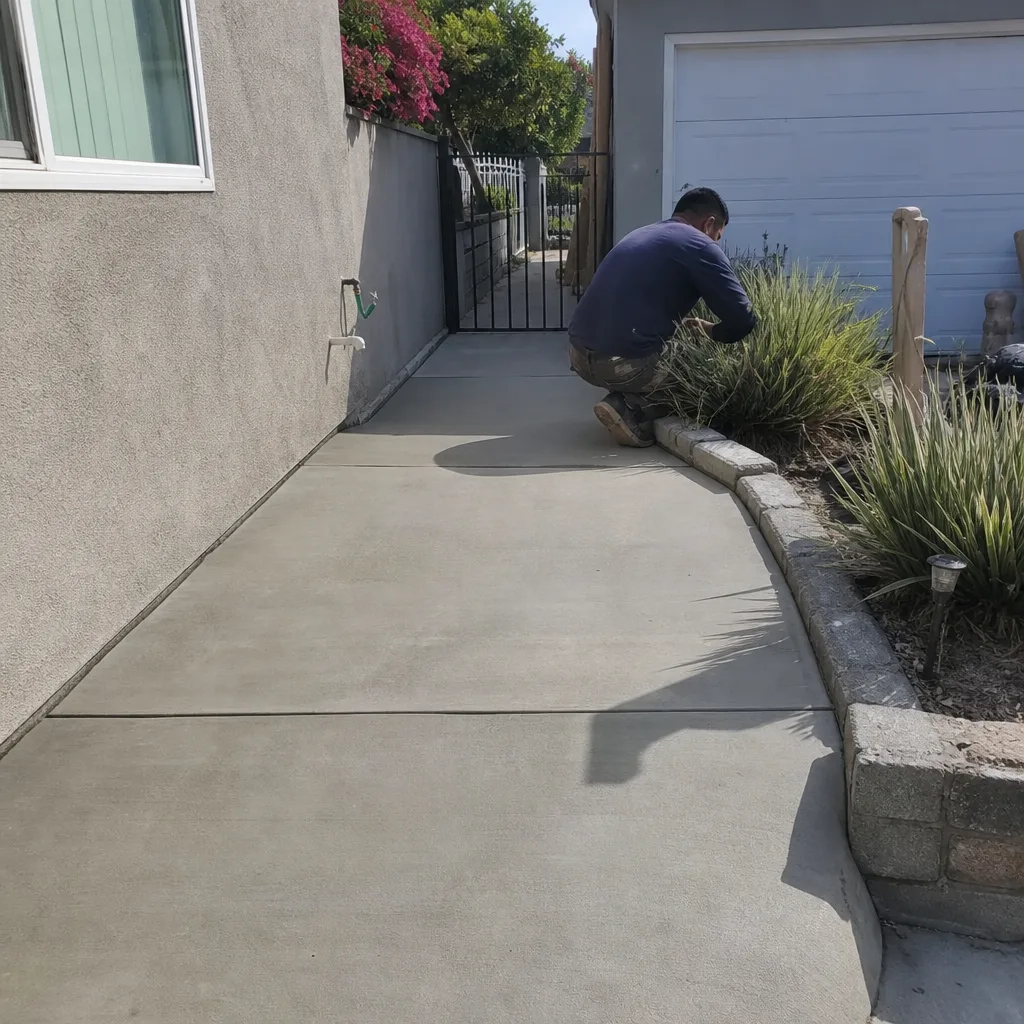
 After
After Before
 After
After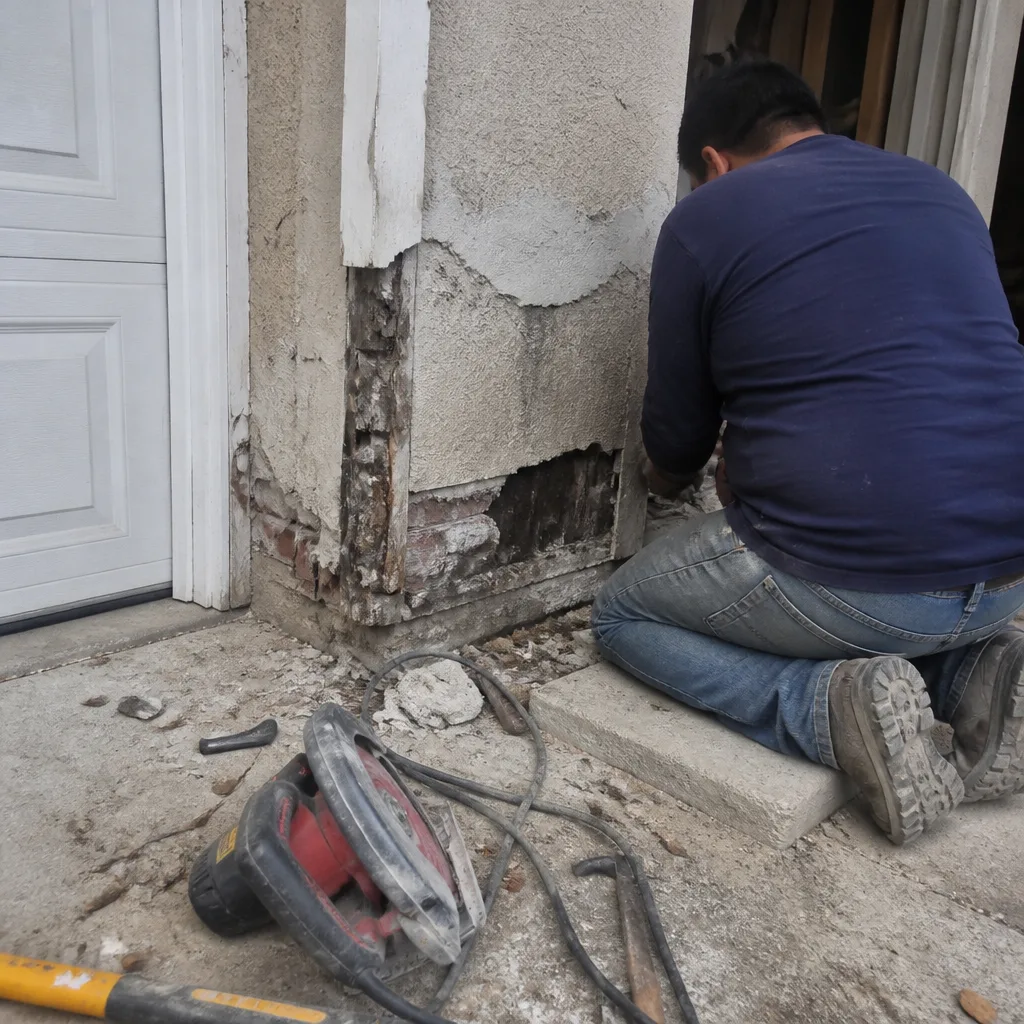 Before
 After
After